How to Make a Father’s Day Video Gift
A Father’s Day video can turn simple family memories into a gift Dad can watch again. It may include short messages, old photos, home videos, and stories from people he loves. You do not need advanced editing skills or perfect footage. You only need a clear idea, a few useful prompts, and enough time to gather everything. This guide walks you through each step. It also includes messages and requests you can copy, change, and send.
How to plan a Father’s Day video that feels like him
Start by deciding how you want Dad to feel. You might want him to laugh, feel appreciated, remember family adventures, or hear from people far away. Pick one main feeling before you collect anything. That choice will guide your prompts, photos, music, and editing.
Next, think about the person you are celebrating. This could be your dad, grandfather, stepdad, husband, uncle, mentor, or another father figure. Use the name he likes and include the people who matter to him. A specific gift will feel warmer than a general tribute.
Write a one-sentence plan. For example: “We will make a cheerful family video that thanks Grandpa for the small ways he helps us.” Keep this sentence nearby while you work. It will help you leave out clips that do not fit.
1. Choose a simple video structure
A clear structure makes the finished gift easier to watch. One option is a life timeline. Begin with early photos, move through family milestones, and finish with recent messages. This works well when you have pictures from several years.
You can also build the video around a theme. Good themes include things Dad taught us, favorite family trips, Dad’s funniest habits, or reasons we appreciate him. Give every contributor the same prompt. Their different answers will create variety without making the video feel random.
Another option is a story told through places. Start with a childhood home, school, first family house, favorite vacation, or current city. Add one memory at each stop. This structure is useful when locations are an important part of his story.
2. Decide what to collect
Make a short list before contacting anyone. You may want video messages, family photos, old home movies, written notes, and a few meaningful locations. You do not need every photo the family owns. Choose items that reveal something about him.
Ask each person for one main contribution. A short clip and one photo are often enough. Clear limits make the request easier to complete. They also reduce the amount of sorting you must do later.
Try to include different parts of his life. Children may share recent moments. Siblings can remember his younger years. Friends, coworkers, or teammates may show a side of him the family rarely sees. Keep the guest list focused on people he would enjoy hearing from.
3. Send one clear contributor request
Give contributors a deadline several days before you plan to finish. State what to record, how long it should be, and where to send it. Add one prompt so nobody has to invent a speech.
A useful request might ask for a 20- to 45-second clip. That gives most people enough time for one memory and one kind thought. Younger children can send a shorter clip. Let everyone know that natural footage is welcome.
If you are collecting files through a shared service, test the link first. Open it on a phone and upload a sample. A simple process matters because some relatives may not be comfortable moving large video files.
4. Give people prompts that lead to real stories
“Say something nice about Dad” is too broad for many people. A focused question helps them remember a real moment. Ask what he taught them, when he helped them, or which family story still makes them laugh.
Good prompts include: What is one small thing he does that you appreciate? What lesson from him do you still use? Which trip or family day would you repeat? What is something he may not know you value? What always makes you think of him?
For young children, keep the question concrete. Ask what they enjoy doing with Dad or Grandpa. They might talk about pancakes, park visits, bedtime stories, or silly jokes. These small details often become the most memorable part of the gift.
5. Record clear clips without making them stiff
A phone camera is enough. Record in a quiet place with soft light facing the speaker. Put the phone at eye level and clean the camera lens. Leave a short pause before and after the message.
Choose one video direction for all contributors when possible. Landscape works well for a television or laptop. Portrait may suit a phone-first video. Consistent framing makes the final edit easier, but a sincere message matters more than perfect matching.
Ask people to speak a little slower than usual. They should look at the camera, not at their own face on the screen. If they make a small mistake, they can pause and continue. A warm, natural clip is better than ten tense attempts.
6. Organize the files before editing
Create folders for video messages, photos, old clips, music, and final files. Rename each item with the contributor’s name and its place in the story. For example, use “03-Maya-bike-lesson” instead of a phone’s default filename.
Make a simple running order in a note or spreadsheet. Start with a welcoming photo or short title. Mix messages with pictures so the pace changes. Place a funny moment between two emotional clips when the video starts to feel heavy.
Save one strong message for the end. It could come from a partner, child, grandchild, or the whole family. Then add a brief closing card with his name and a direct Father’s Day wish.
7. Edit for meaning, not for effects
Trim long pauses and repeated lines, but leave room for natural reactions. Use simple transitions. Too many spins, flashes, and stickers can pull attention away from the people and memories.
Add short captions when a speaker is hard to hear. Captions also make the gift easier to follow in a busy room. Check every name and date. Keep text large enough to read on a phone.
Music should support the story without covering anyone’s voice. Lower it during spoken clips and raise it gently between sections. Use music you have permission to include. A licensed library or music supplied by your editing service is safer than copying a popular recording.
Watch the full edit once without stopping. Notice where your attention drops or where two similar messages sit together. Shorten repeated material and move clips when needed. The goal is a smooth family story, not a fixed number of minutes.
Father’s Day video ideas for different families
For a funny dad, collect favorite jokes, harmless habits, and stories that he tells often. Let each person finish the sentence, “Dad always says…” End with a sincere thank-you so the humor still feels caring.
For a quiet dad, focus on actions instead of asking for large emotional speeches. Contributors can name a time he arrived early, fixed a problem, listened, cooked, drove, taught, or stayed calm. Specific actions show appreciation without changing the family’s normal tone.
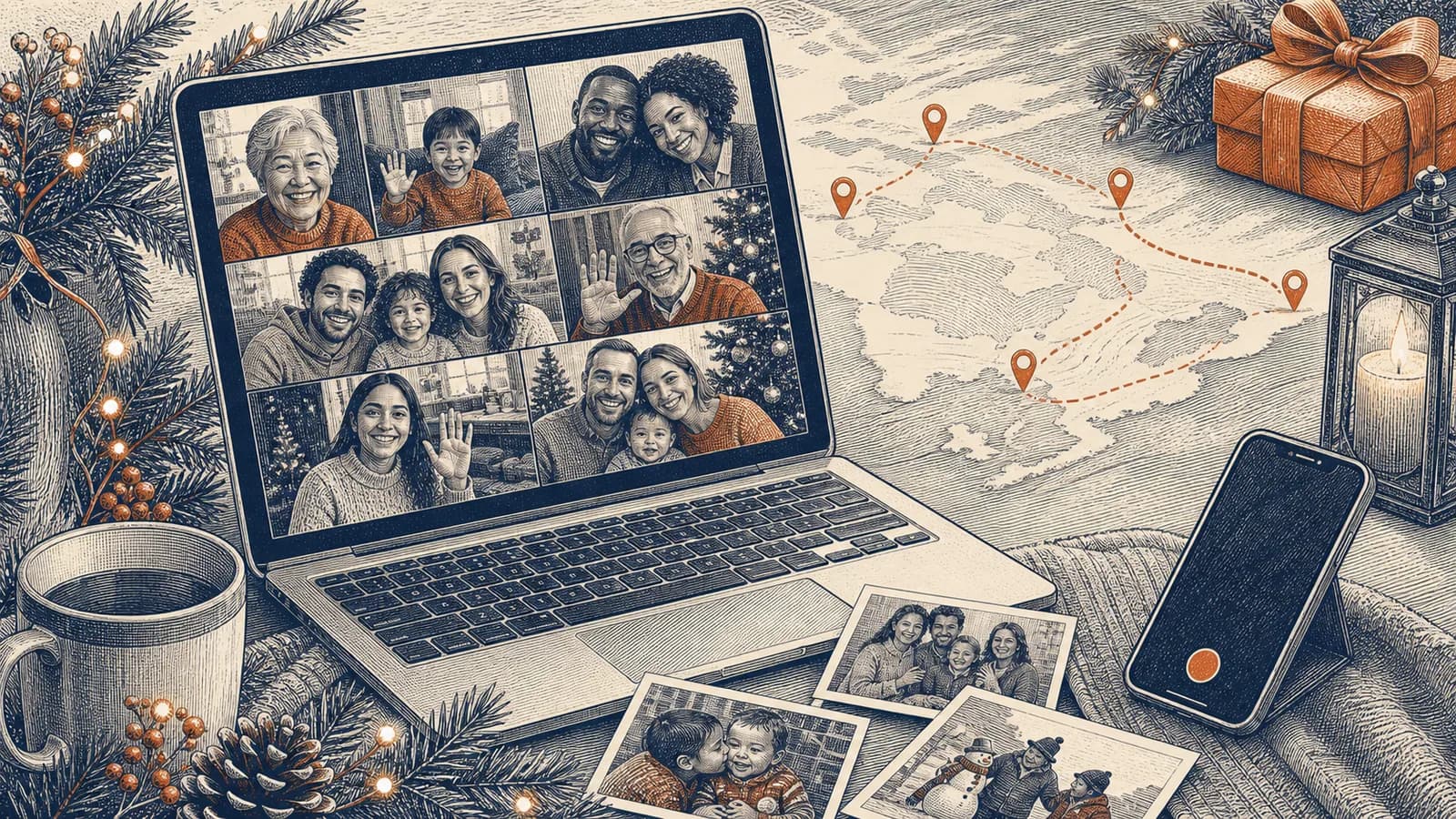
For a long-distance family, ask each person to begin by naming their city. Combine the messages with photos from past visits. The final gift can feel like a family gathering even when people cannot be in one room.
For a new dad, gather short messages from a partner, grandparents, siblings, and close friends. Include early family photos and kind encouragement. Keep the tone supportive and avoid sharing private moments without permission.
For a grandfather, invite several generations. Ask adult children for family history and younger children for simple everyday memories. The mix can show both the life he built and the moments happening now.
When a map-based story adds something useful
A normal montage works well when the main focus is faces and spoken messages. A map-based video is useful when memories are strongly tied to places. Those places might include Dad’s hometown, a family house, a workshop, a sports field, or a favorite trip.
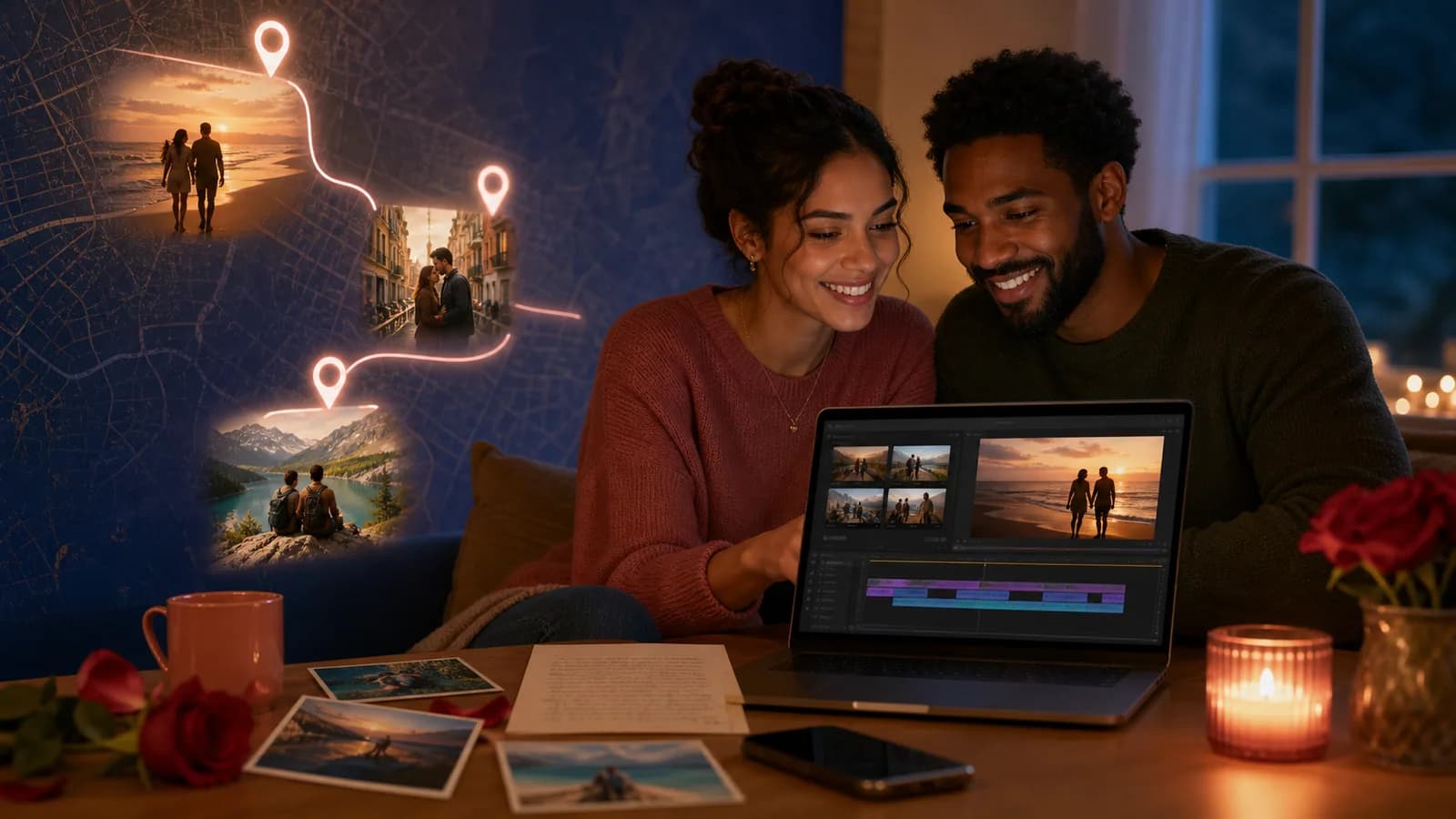
AlbumMap can collect photos, short clips, written messages, and locations from several people. The finished story can move between those places on a map. This gives the video a clear path instead of placing every contribution in a loose sequence.
Do not add locations only for decoration. Choose places that help explain a relationship or memory. Five meaningful stops are usually more useful than a crowded map. Ask each contributor to explain why their chosen place matters.
A practical schedule for finishing on time
Begin one or two weeks before you want to share the gift. On the first day, choose the theme and invite contributors. Send one friendly reminder halfway to the deadline. Avoid daily messages that make the project feel stressful.
Close submissions early enough to leave time for editing. Sort everything first, then build a rough version. Ask one trusted person to check names, sound, and missing family members. Make final changes after that review.
Export and test the finished file before the celebration. Play it on the device you plan to use. If you will send a link, open it in a private browser window. This quick test can catch access problems before Dad is waiting.
Common mistakes to avoid
Do not ask everyone to answer five questions. One good prompt is easier and usually produces a better clip. Do not include every file simply because someone sent it. Repeated stories can make a thoughtful gift feel slow.
Avoid making the video so polished that family members stop sounding like themselves. Clear sound and a sensible order matter more than complex effects. Keep a little laughter, hesitation, and personality.
Respect privacy. Ask before including an old photo that may embarrass someone. Do not post the finished gift publicly unless the people shown have agreed. Private sharing may be the best choice for a family keepsake.
Finally, make a backup. Keep the original uploads and the finished export in two safe places. A video made from family history may become more valuable with time.
Examples You Can Copy
Copy-ready contributor request
Hi everyone! I’m making a video gift for [Dad’s name]. Please send a 20- to 45-second clip with one memory, lesson, or small thing you appreciate about him. You can also add one favorite photo. Please send everything by [date] through [link]. Phone footage is perfect, so it does not need to feel formal.
Copy-ready warm message
Happy Father’s Day, Dad. I still remember when you [specific memory]. You made me feel [feeling], and I understand that moment more as I get older. Thank you for always [specific action]. I love you and hope you know how much that has meant to me.
Copy-ready funny message
Happy Father’s Day to the person who taught me [useful lesson] and still refuses to admit [gentle family joke]. Our family would be quieter without you, but it would not be nearly as fun. We love you.
Copy-ready prompt for a mapped memory
Choose one place that makes you think of [Dad’s name]. Send the location, one photo or short clip, and two sentences about what happened there. It could be a family home, school, park, workshop, vacation stop, or any place connected to a memory.
Copy-ready reveal note
We gathered a few stories, photos, and messages from people who care about you. Find a comfortable place, turn up the sound, and press play. Happy Father’s Day from all of us.
Final Thoughts
The best video gift is not the one with the most effects. It is the one that helps Dad feel seen. Choose one clear idea, ask for specific memories, and keep the process easy for contributors. When places are part of the story, a map can connect those memories into a meaningful route. However you build it, leave room for real voices, family humor, and honest thanks.
Helpful answers
Frequently asked questions
- How do I make a Father’s Day video if I have no editing experience?
- Choose one theme, gather short clips and photos, and place them in a simple order. Use basic trimming, captions, music, and gentle transitions. A clear story and sincere messages matter more than advanced effects.
- What should people say in a Father’s Day video message?
- Ask each person to share one memory, lesson, funny habit, or action they appreciate. A useful structure is greeting, specific detail, thank-you, and warm closing.
- How long should each contributor’s clip be?
- A 20- to 45-second clip is a practical target for most people. Young children may need less time. A longer story can work when it adds something personal and does not repeat another message.
- Can I make the gift when family members live far apart?
- Yes. Send one clear request and one upload link to everyone. Ask contributors to record wherever they live. Their cities or meaningful family locations can also become part of a map-based story.
- What photos should I include?
- Choose photos that reveal Dad’s character or support a story. Mix older milestones with recent everyday moments. Leave out repeated, blurry, private, or embarrassing images unless the people shown approve.