How to Make a Christmas and Holiday Group Video
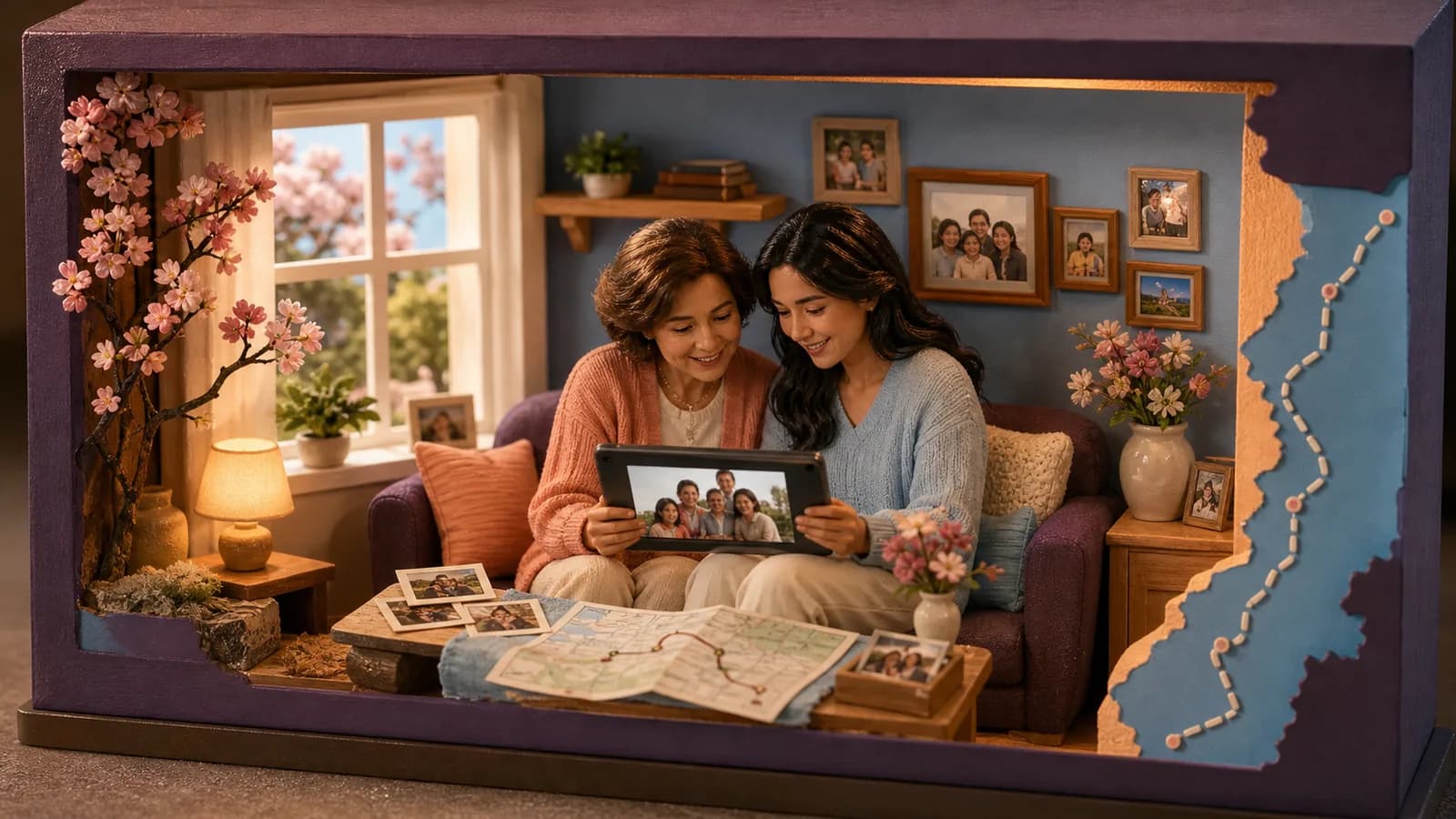
A Christmas group video brings greetings, stories, photos, and familiar faces into one gift. It is useful when family members, friends, or coworkers cannot celebrate in the same room. Each person records a small part, and the organizer joins those parts into one warm holiday video. The result can be a surprise for a grandparent, a greeting for a distant relative, a thank-you for a teacher, or a year-end message for a team. This guide will help you choose a simple idea, invite contributors, collect better clips, and share the finished video without adding stress to a busy season.
Start With One Clear Purpose
Before inviting anyone, decide who will watch the video and what you want them to feel. A family video for grandparents may focus on updates and memories. A team greeting may be shorter and more playful. A thank-you video for a teacher may include one kind sentence from each student.
Choose one main idea instead of asking people to cover everything. You could collect favorite memories from the year, short seasonal wishes, family updates, funny traditions, or messages of thanks. A clear idea makes every clip easier to record. It also gives the finished video a natural shape.
Write your purpose in one sentence. For example: “We are making a two-minute holiday greeting for Grandma with one short message from every household.” Use that sentence when you invite people. It tells them what they are joining and keeps the project focused.
How to Plan Your Christmas Group Video
Work backward from the day you want to share the video. Set the contribution deadline at least several days before that date. This gives you time to follow up, check the clips, and fix any sound or picture problems. A calm editing day is much better than a late-night rush.
Make a short contributor list. Include close family, distant relatives, friends, neighbors, classmates, or coworkers who belong in the story. If the video is a surprise, tell everyone not to mention it in a public group chat.
Choose one person to manage the project. That person sends the invitation, answers questions, checks submissions, and makes the final choices. For a large family or team, a second organizer can help remind people and confirm names.
Choose a Format That Fits Your Group
A simple greeting montage is often the easiest format. Each person says hello, shares one thought, and ends with a holiday wish. Put the clips in a clear order, such as by household, age, team, or location.
A year-in-review video can mix messages with photos from the past twelve months. Ask each household for one update and one favorite picture. This works well for relatives who live far apart and may have missed important moments.
A memory theme adds more feeling. Ask everyone to describe a holiday tradition, a meal, a trip, or a funny event they remember. You can also create a “from everywhere” video that shows where each greeting came from. This format is especially useful when the group spans many cities or countries.
Other easy formats include a thank-you video, a family recipe collection, a children’s message to Santa, a holiday toast, or a shared song. Choose a format that people can complete with a phone and little preparation.
Send One Simple Invitation
People are more likely to join when the request is short and specific. Your invitation should name the recipient, explain the idea, give a deadline, and include one contribution link. State whether you want a video, photo, written message, or location.
Give contributors a useful clip limit. About 15 to 30 seconds works for most greetings. A larger group may need shorter clips. Small groups can allow a little more time for stories. Tell people that a natural message matters more than a perfect performance.
Send the first invitation early. Then send one friendly reminder a few days before the deadline. If someone misses the deadline, give a final cutoff that still leaves time for editing. Avoid sending daily messages, which can make a joyful project feel like a task.
Give People Prompts That Are Easy to Answer
A blank camera can make people nervous. One or two prompts help contributors know what to say. Match the prompts to the recipient and the purpose of the video.
For a family greeting, ask: “What was one bright moment from your year?” or “Which holiday tradition always makes you think of our family?” For a gift, ask: “What do you appreciate about this person?” or “What is one memory you hope they never forget?”
For children, keep the question concrete. Ask them to show a drawing, name a favorite holiday food, tell a short joke, or share what they are excited to do. For coworkers, try: “What is one thing our team achieved this year?” or “What is one hope you have for the new year?”
Allow people to choose between speaking on camera and sending a written note or photo. Not everyone enjoys recording a video. A mix of formats can make the result more welcoming and visually varied.
Help Everyone Record a Clear Clip
Ask contributors to face a window or another soft light. The light should fall on their face, not shine from behind them. They should record in a quiet room and move close enough for the phone to capture clear sound.
Choose one phone direction before recording begins. Horizontal clips usually fit a television or laptop well. Vertical clips may work better for a social post. Using one direction reduces awkward empty space in the edit.
Ask each person to pause for one second before speaking and again after finishing. Those small pauses make trimming easier. They should look at the camera, speak a little slower than usual, and avoid music or television noise in the background.
Festive clothes and decorations are optional. A small tree, candle, sweater, or handmade sign can add warmth. The message should still feel like the main event. Remind everyone not to place important faces or objects near the edge of the frame.
Collect Everything in One Place
Scattered files are one of the hardest parts of a group project. Videos may arrive through text messages, email, cloud folders, and social apps. Names and instructions can get separated from the files.
Use one upload link when possible. Ask each person to include their name and relationship to the recipient. If places matter to the story, ask for a city or meaningful location as well. Keep a basic checklist so you can see who has submitted a clip.
Review every upload before editing. Check that the video opens, the speaker can be heard, and the clip is meant for the correct project. Contact the contributor early if a replacement is needed. Save a backup of the approved files before you begin arranging them.
Arrange the Video Like a Short Holiday Story
A good opening explains the idea quickly. Start with a title card, a family photo, or a short welcome from the organizer. Then move into the messages without a long introduction.
Group similar clips together. You might begin with children, move through households, and finish with grandparents. You could also order the greetings by location or move through the year from winter to fall. A clear order helps the video feel planned.
Mix talking clips with photos and short written messages. This gives the viewer a visual break. Remove long pauses and repeated lines, but keep real laughter and small human moments. They often make the video feel personal.
End with a strong shared message. Ask each person to say the same short phrase, or finish with a group photo and a final wish. Keep transitions simple. The people and their words should receive more attention than visual effects.
Choose Music With Care
Music can create a festive mood, but it should not cover anyone’s voice. Keep the volume low under spoken messages. You can also use music only during the opening, photo sections, and ending.
Use music you have permission to include and share. A song being easy to find online does not mean it is free to use in a video. Check the terms of your editing tool, music library, and sharing platform.
Holiday music does not need to be loud or fast. A soft instrumental track can work well for family memories. A brighter track may suit a team greeting or children’s video. Preview the full edit with headphones and speakers before sharing it.
Make the Video Welcoming for Different Holidays
If your group celebrates more than one holiday, use language that includes everyone. The invitation might ask for a winter greeting, a year-end reflection, or a message about the season. Contributors can name Christmas, Hanukkah, Kwanzaa, New Year’s Day, or another tradition that matters to them.
Do not treat every celebration as the same. Give people room to share their own customs and words. A mixed group video becomes stronger when each message feels real, not forced into one script.
You can organize the finished video by theme rather than holiday. Sections such as gratitude, favorite moments, family traditions, and hopes for the new year can connect different messages in a respectful way.
Turn Places Into Part of the Story
Locations can add meaning when your group is spread out or when holiday memories are tied to special places. A message may come from a childhood home, a snowy hometown, a first apartment, or the city where a family member now lives.
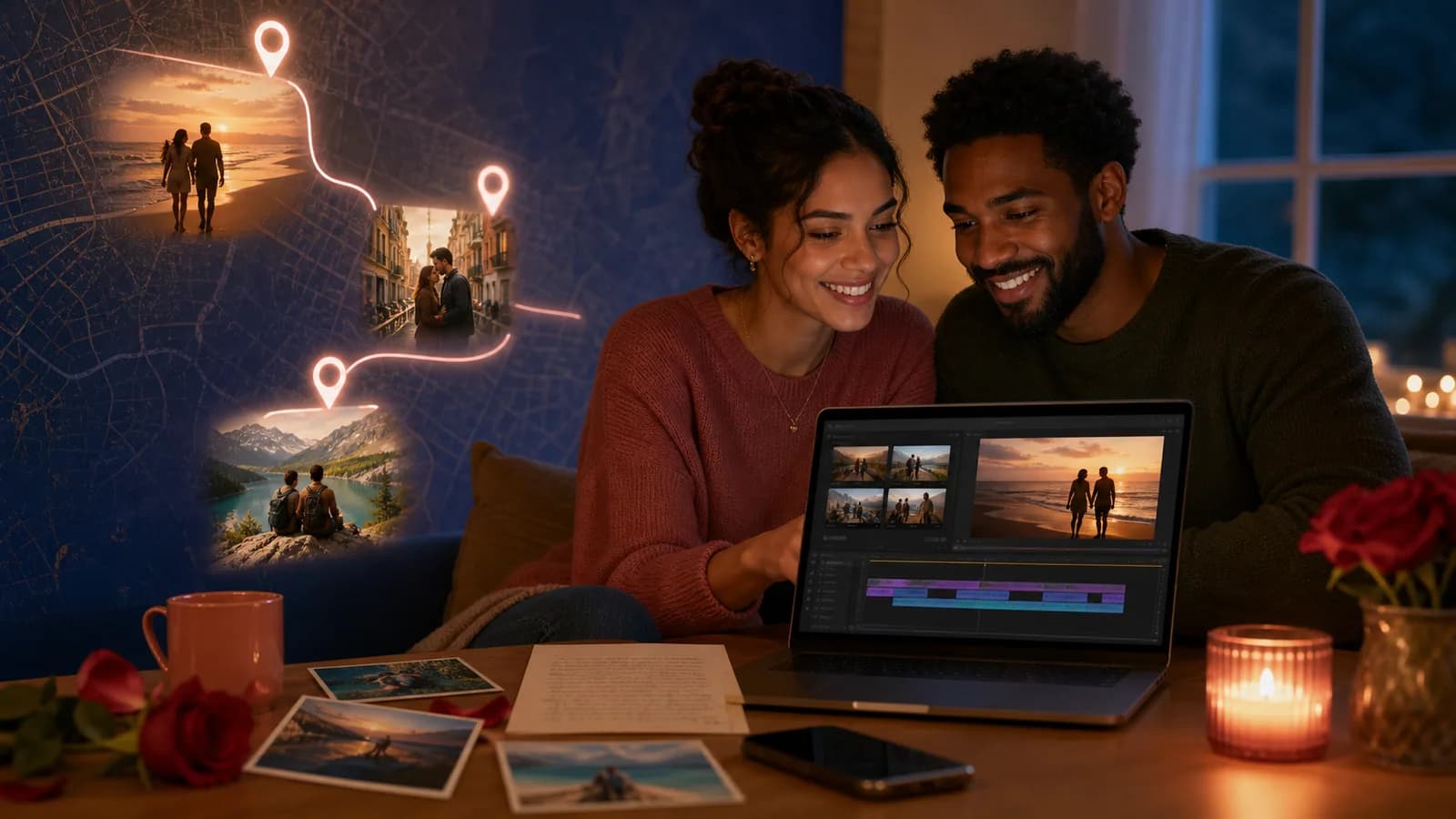
AlbumMap can collect photos, short videos, written notes, and locations through one contribution link. Those pieces can become a map-based video that moves between the places in the story. This option works best when geography adds meaning rather than acting as decoration.
For example, start at the family home, move to the cities where adult children live, and finish at a favorite holiday gathering place. Another idea is to map the places your family visited during the year. Each stop can hold one photo, update, or seasonal wish.
Share the Finished Holiday Video
Watch the full video before sending it. Check names, sound levels, photo order, spelling, and any private details. Ask a second person to review it if the video is a surprise or includes many contributors.
Choose a sharing method that works for the recipient. You might play it on a television after dinner, send a private link on Christmas morning, include it in a digital holiday card, or show it during a remote gathering. Test the link and playback device first.
Consider adding captions for people who are deaf, hard of hearing, or watching without sound. Captions also help when a speaker has a quiet voice or records in a noisy space.
After the reveal, send the final link or file to everyone who contributed if the recipient agrees. Save a backup with the family’s other photos. A well-organized copy can become part of next year’s celebration or a record future generations can enjoy.
A Quick Organizer Checklist
Decide who the video is for. Pick one format and two prompts. Make the contributor list. Set a deadline that leaves time to edit. Send one invitation and one upload link.
Check every clip as it arrives. Send one kind reminder. Arrange the messages in a clear order. Keep music under the voices. Add a simple opening and ending.
Review the final video on the device you plan to use. Confirm privacy and sharing choices. Then enjoy the reveal. The goal is not a flawless production. It is a warm moment made by people who wanted to be part of it.
Examples You Can Copy
Copy-ready invitation for family and friends
Hi! We are making a surprise holiday video for [Name]. Please record a 15- to 30-second message sharing one favorite memory or warm wish. You may also add one photo and the city or place connected to your memory. Please upload everything here by [Date]: [Link]. Thank you for helping us bring everyone together!
Copy-ready reminder
A friendly reminder that messages for [Name]’s holiday video are due on [Date]. A simple phone clip is perfect, and it does not need to be polished. If you have already sent yours, thank you! Here is the upload link: [Link].
Copy-ready family message
Merry Christmas, [Name]! One of my favorite memories is making breakfast together at the old family house. I hope this season brings you plenty of quiet time, good food, and laughter. We love you and cannot wait to make more memories next year.
Copy-ready inclusive team message
Warm holiday wishes from [Team Name]. Thank you for the care, patience, and energy you shared this year. We hope you enjoy a restful season and begin the new year feeling proud of everything we achieved together.
Final Thoughts
The best holiday video is not the one with the most effects. It is the one that makes people feel present, even when they are far apart. Choose one clear idea, give contributors simple prompts, and leave enough time to collect their clips. A few honest messages, familiar photos, and meaningful places can turn a seasonal greeting into a keepsake the group will want to watch again.
Helpful answers
Frequently asked questions
- How long should a holiday group video be?
- Aim for two to six minutes for most families or teams. Ask each person for a 15- to 30-second clip. Larger groups may need shorter messages so the final video stays easy to watch.
- How early should I start collecting Christmas video messages?
- Start two to four weeks before you plan to share the video. Set the contribution deadline several days before your editing deadline. Extra time helps when someone forgets or needs to record a clearer clip.
- What should people say in a group holiday video?
- Give them one or two prompts. They can share a favorite memory, a moment from the year, a family tradition, a note of thanks, or a hope for the coming year. Specific prompts are easier than asking people to say anything they want.
- Can people contribute without recording themselves?
- Yes. Invite them to send a photo, a short written message, a drawing, or a meaningful location. Mixing these pieces with spoken clips can make the final video more varied and inclusive.
- How can I make a video for people who celebrate different holidays?
- Use broad themes such as gratitude, favorite moments, winter traditions, and hopes for the new year. Let each contributor name their own celebration. Avoid asking everyone to follow one religious or cultural script.
- Can locations be included in a family holiday video?
- Yes. Locations can show where greetings came from or where important memories happened. AlbumMap can connect photos, clips, written messages, and places in a video that moves across a map.