Introduction
The best adventure video ideas do not need perfect drone shots or a long edit. They need one clear story. A weekend hike, a road trip with friends, or a family camping week can become more meaningful when the clips show how the day felt, not only where you went. Start by choosing the people and the feeling you want to remember. Then pick a simple format that gives every photo, short clip, and title a job. For a couple, that story may be a quiet route from the trailhead to sunset.
For friends, it may be the jokes, missed turns, and shared wins. For a family, it may be the small moments children will not remember on their own. The ideas below give you five easy structures, plus clip lists, titles, transitions, and closings you can copy.
What the video shows
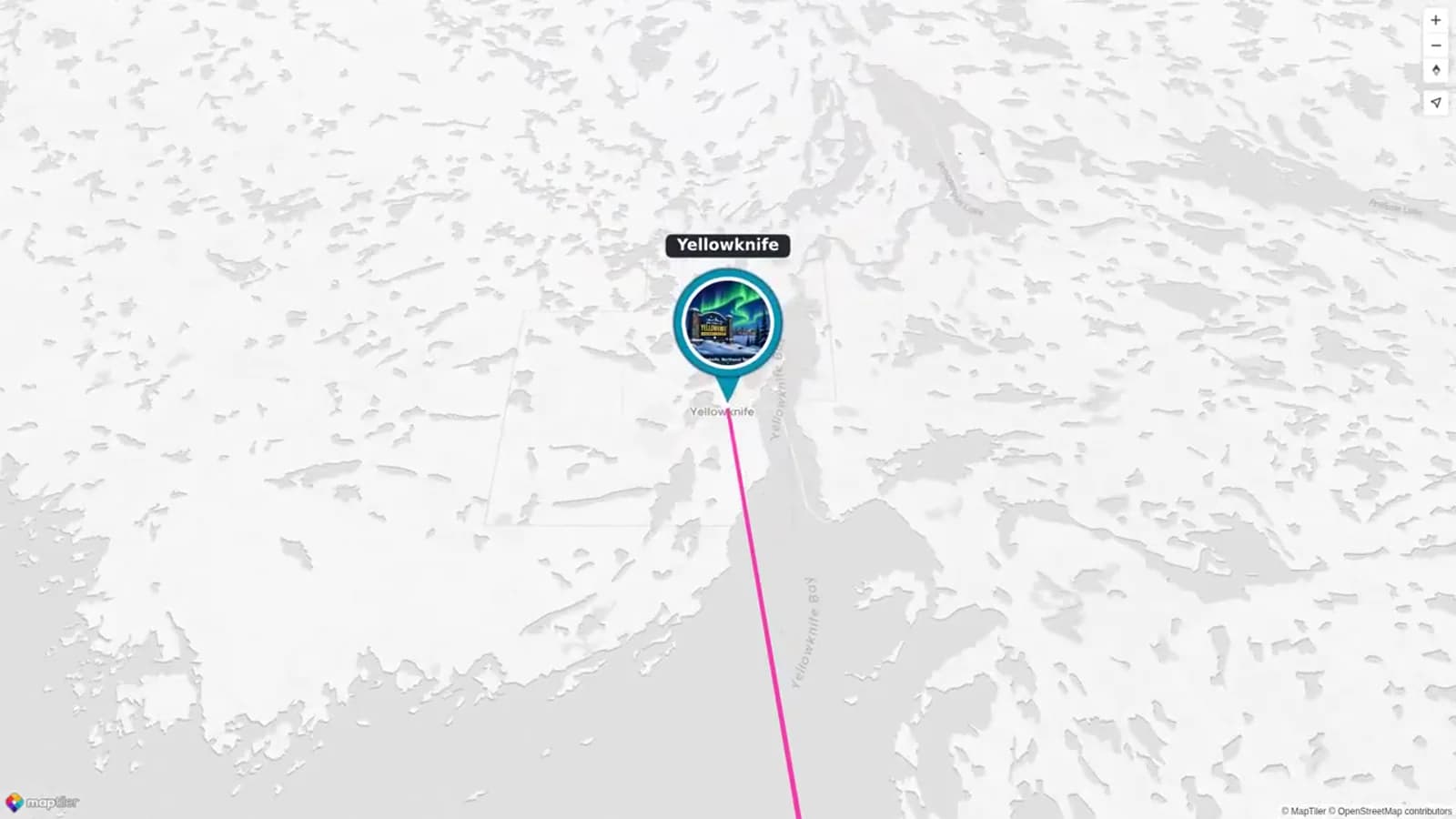
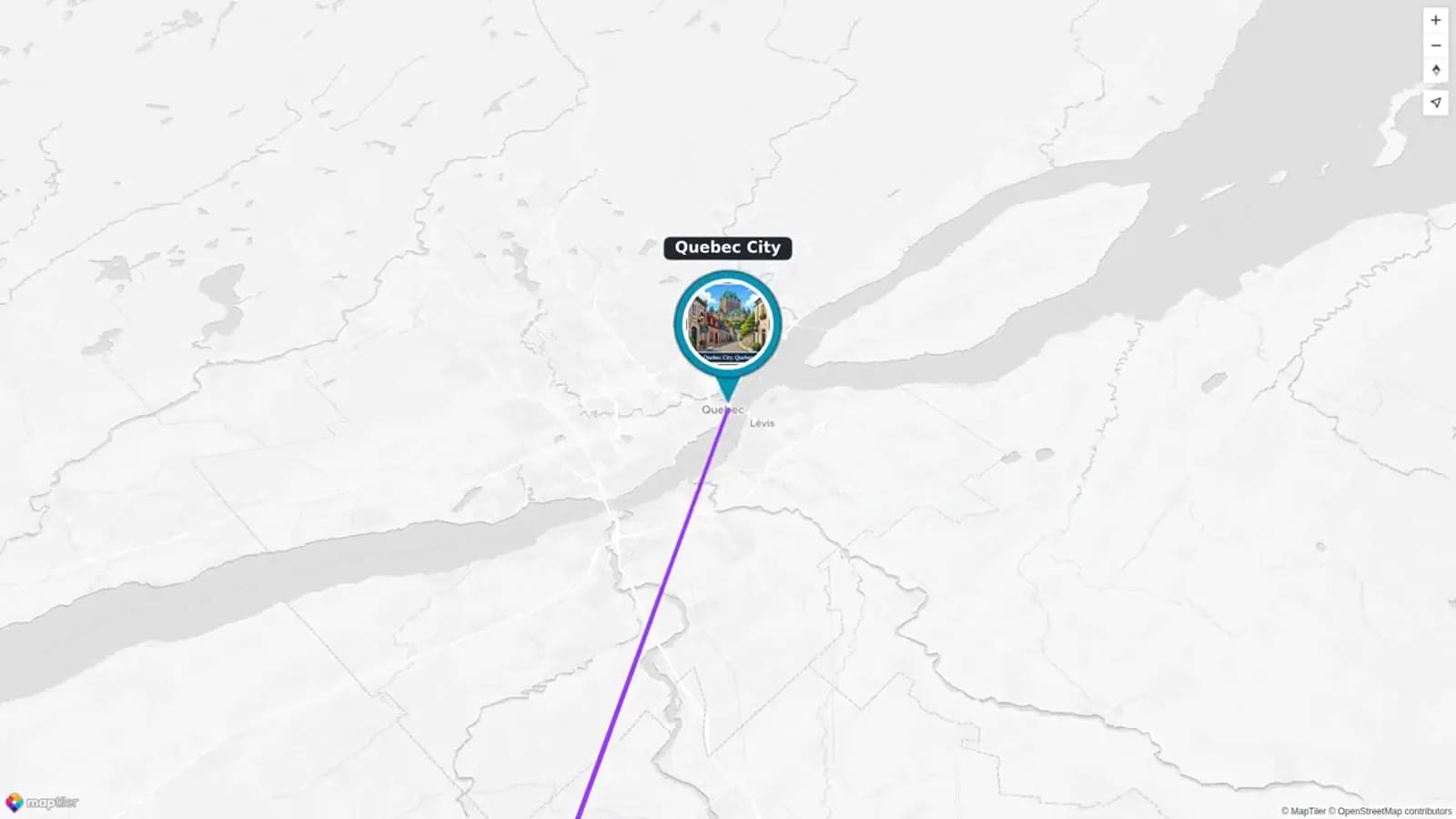
The video follows Ace through a set of named Canadian locations on a moving map. It begins with a globe and an Ace marker, then reaches Prince Edward and Niagara Falls before pausing for a canoe memory in Algonquin. A Montreal cafe memory follows, then the route continues through Quebec City, the Distillery District in Toronto, the nearby Niagara cluster, and Yellowknife. The structure is useful because the map gives viewers a simple sense of movement while the photo-based cards make each stop feel personal.
Start with the audience, not the editing app
A good adventure video changes with the people in it. Couples often enjoy a slower story with a few meaningful details. Friends usually want energy, shared jokes, and several points of view. Families need a format that leaves room for both big outings and small daily scenes. Pick one audience first. That choice will help you decide which clips to keep and which ones can stay in the camera roll.
Before you sort files, write one sentence that describes the finished video. Try: “This is the story of our rainy cabin weekend.” Or: “This is how our family found a new favorite lake.” If the sentence feels too broad, make it smaller. One strong day, route, challenge, or feeling is easier to follow than every moment from a long trip.
Adventure video ideas for couples
Couples often have enough material for a warm travel memory video without recording much on camera. Use arrival shots, hands holding coffee, a view from the trail, one short clip of laughter, and a final photo together. The key is to show the rhythm of the day. Let the quiet parts stay quiet instead of filling every second with fast cuts.
A simple couple format is “the day we said yes to the plan.” Open with packing or the first view from the car. Move to the main outing, such as a summit, bike ride, paddle, or city walk. End with the return trip, dinner, or a calm view. If places are part of the memory, AlbumMap can make that route easier to understand by placing your photos, clips, and short notes at the stops that mattered.
Adventure video ideas for friends
A group trip montage works best when it has more than scenery. Save the group photo, the shared meal, the funny wrong turn, the person who planned the trip, and the small win after a hard climb. Ask each friend for one favorite clip or photo before you edit. This prevents the video from becoming one person’s camera roll.
Give friends a simple prompt: “Send one clip that shows the trip, one photo that makes you laugh, and a title for your moment.” Their titles can become quick cards between scenes. Keep the tone kind. A funny moment should make the whole group smile, not leave one person feeling singled out.
Adventure video ideas for families
Family adventures work well as a “through their eyes” story. Include the big destination, but also save the snack stop, muddy shoes, a child pointing at something new, and the tired ride home. These small clips often become the most valuable ones later because they show the real pace of family time.
Keep the edit easy to watch. Use one short title at each new place, and let clips run long enough for children’s voices or reactions to make sense. If relatives took photos from different parts of the trip, a map-based route can give the family story a clear order without forcing it into a formal slideshow.
Five story structures for an outdoor adventure video
1. The route from start to finish. Best for a hike, road trip, paddle, or multi-stop day. Clips: a starting sign, travel shots, one scene from each stop, and the final view. Title: “From Trailhead to Sunset.” Transitions: use a quick map move, a simple location card, or a cut that follows the direction of travel. Closing: “Same route, new favorite memory.”
2. The small challenge. Best for a first summit, a rainy camp setup, a long bike ride, or a family trying something new. Clips: the plan, preparation, one hard moment, help from another person, and the payoff. Title: “Worth the Extra Mile.” Transitions: use short cuts during the hard part, then slow down at the finish. Closing: “We did not make it easy. We made it ours.”
3. The people behind the trip. Best for friends or extended family. Clips: a quick introduction to each person, their funniest or kindest moment, a shared meal, and a group photo. Title: “The Crew Made the Trip.” Transitions: use each person’s name card or a match cut from one smile to another. Closing: “Until the next detour.”
4. The five senses recap. Best for a short outdoor adventure video with limited footage. Clips: boots on gravel, wind in trees, camp food, a wide view, and a night scene. Title: “What This Weekend Felt Like.” Transitions: cut on sound, such as a zipper, splash, laugh, or campfire crackle. Closing: “We can still hear it when we press play.”
5. The return-to-a-place story. Best for revisiting a childhood lake, favorite cabin, family trail, or annual trip. Clips: an older photo, the journey back, what changed, what stayed the same, and a current group shot. Title: “Back Where We Belong.” Transitions: fade from the older image to the new one, then use simple location cards. Closing: “Different year, same place in our story.”
Build the edit in a simple order
Start with a 10- to 20-second opening. Show one arrival clip, a title, and a hint of the main activity. Then move through two to four short chapters. A chapter can be a place, a person, or a change in the day. Finish with one calm image, a short line, and enough time for viewers to take it in.
Use transitions to show a change, not to decorate every cut. A direct cut works well between similar scenes. A title card helps when the place changes. A slow fade fits a reflective memory. If your story moves through several locations, show the route only where it helps viewers understand the next stop. That keeps the travel memory video clear and personal.
When your files come from several people, sort them into folders named opening, stops, people, details, and ending. Choose only one or two strong clips for each folder at first. You can add more later, but starting small makes the story easier to shape.
Copy-ready titles, transitions, and closing lines
Titles: “One Weekend, Many Stories”; “Miles, Mud, and Good Company”; “Our Family’s Lake Day”; “The Detour We Still Talk About”; “A Little Further Than Planned.” Transition cards: “First stop: coffee and confidence.” “Then the weather changed.” “Somewhere after the wrong turn.” “The view made us forget the climb.” “One last stop before home.” Closing lines: “Here’s to the next trail.” “The best part was who came along.” “We left tired and came home closer.” “Keep this one for a rainy day.” “Same people, new stories.”
Final thoughts
Choose one format, gather only the clips that support it, and leave room for real moments. The most memorable adventure video is not the longest one. It is the one that makes a couple, group of friends, or family feel like they are back there together. When your adventure has many people or meaningful stops, turn those shared pieces into a route-led story with AlbumMap.
Audience-by-Format Idea Matrix
Use this matrix to choose a story format before you start editing. Each row gives one audience, a clear format, the clips to gather, and a simple ending.
| Audience | Best format | Clips to gather | Title and transition | Closing |
|---|---|---|---|---|
| Couples | Route from start to finish | Arrival, one shared activity, a quiet detail, final view | “From Trailhead to Sunset”; use location cards | “Same route, new favorite memory.” |
| Couples | Return-to-a-place story | Old photo, drive back, what changed, current photo | “Back Where We Belong”; fade old to new | “Different year, same place in our story.” |
| Friends | People behind the trip | One clip per person, shared meal, inside joke, group photo | “The Crew Made the Trip”; use name cards | “Until the next detour.” |
| Friends | Small challenge | Plan, hard moment, teamwork, payoff | “Worth the Extra Mile”; speed up during the challenge | “We did not make it easy. We made it ours.” |
| Families | Through their eyes | Arrival, child reaction, snack, activity, ride home | “Our Family’s Lake Day”; use short place cards | “We will tell this story again.” |
| Families | Five senses recap | Footsteps, wind, food, water, night scene | “What This Weekend Felt Like”; cut on sound | “We can still hear it when we press play.” |
Examples You Can Copy
Couples: copy-ready plan
Title: “From Trailhead to Sunset.” Opening: a boot-on-gravel clip and a trailhead sign. Middle: coffee break, one wide view, and a short laughing clip. Transition card: “The climb was worth it.” Closing: a photo together with “Same route, new favorite memory.”
Friends: copy-ready contributor request
“I’m making a short video from our trip. Please send one photo or clip, one moment that made you laugh, and a five-word title for it by Friday. Examples: ‘The snack stop that saved us’ or ‘Nobody checked the weather. ’”
Families: copy-ready plan
Title: “Our Family’s Lake Day.” Opening: car packed and kids waving. Middle: dock jump, picnic, sandy feet, and a quiet sunset. Transition card: “After the biggest splash.” Closing: everyone heading home with “We will tell this story again.”
Final Thoughts
Choose the story before the effects. A few honest clips, clear titles, and one warm ending can hold an adventure for years. If the trip is made of shared people and meaningful places, AlbumMap can help turn those pieces into one route-led keepsake.
Helpful answers
Frequently asked questions
What clips should I include in an adventure video?
Choose clips that show a beginning, a few key moments, and an ending. Start with arrival or preparation, add one or two activity clips, include people and small details, then end with a final view, group photo, or ride home. You do not need to use every clip you took.
How long should a travel memory video be?
A short video often works best. Aim for about one to three minutes for one outing or weekend. Make each clip earn its place. If you have a longer trip, split it into clear chapters by day, route stop, or group activity.
How do I make a group trip montage feel personal?
Ask each person for one favorite photo or clip and one short caption. Include shared jokes, meals, small setbacks, and wins along with scenic footage. This gives the video several points of view instead of making it feel like one person’s camera roll.
What is a simple outdoor adventure video format for beginners?
Try the route format. Open with the starting point, show two or three stops in order, add a short title at each change of place, and close with the final view or a group photo. It gives the video a clear shape without complex editing.
When does a map-based adventure video make sense?
It works especially well when the memories happened across several stops or when several people have photos, clips, notes, and locations to share. The map can show the movement between places while the media cards hold the personal moments.