How to Make a Thank You Video That Feels Personal
A thank you video feels personal when it shows that you noticed what someone did and understood why it mattered. It does not need expensive equipment, perfect lighting, or a long speech. One honest detail can carry more feeling than several minutes of general praise. This guide will help you choose a format, write a natural message, collect contributions, and shape everything into a video that sounds like you. You will also find prompts and scripts that you can copy or adapt.
How to Make a Thank You Video Feel Personal
Start with the person, not the editing tool. Think about what they did, when it happened, and how it changed something for you. Those details provide the heart of the video.
A broad line such as You are wonderful may be kind, but it could describe many people. A specific line gives the recipient proof that you remember. You might mention the late-night call they answered, the lesson they taught, or the calm way they helped during a hard week.
Personal does not always mean serious. A familiar phrase, safe inside joke, or small shared habit can make the message sound natural. The right tone is the tone you already use with that person.
Before recording, finish this sentence: I want this person to understand that their actions made me feel or do something important. Keep that idea beside you while planning every part of the video.
Step 1: Decide Who the Video Is For and Why
Choose one clear recipient or group. You might be thanking a friend, relative, teacher, coach, caregiver, volunteer, mentor, coworker, or community team. Naming the audience helps you choose the right words and level of privacy.
Next, define the reason in one sentence. For example: I am thanking my neighbor for supporting our family during a difficult month. Another goal could be: Our team is thanking a volunteer who kept the program running for five years.
Keep the purpose narrow. A video that tries to cover every good quality can lose its center. Focus on one action, season, project, or kind of support. You can still include several memories if they point back to that main idea.
Think about how the recipient may feel while watching. Some people enjoy a public surprise. Others prefer a quiet link they can open alone. Let their comfort guide the format and delivery.
Step 2: Find the Specific Detail That Makes It Yours
Use a simple three-part message: name what happened, explain its effect, and say why you still remember it. This structure keeps the message clear without making it sound formal.
First, name the action. Instead of saying Thanks for everything, say what the person actually did. They may have driven you to appointments, taught you a skill, welcomed you to a new city, or checked in every week.
Second, describe the effect. Explain what became easier, safer, happier, or more possible because of their help. This is often the part that makes an appreciation video meaningful.
Third, connect the action to the person. You could say that their patience helped you feel confident or that their humor made a difficult season lighter. The goal is not to flatter them. It is to show that their care was seen.
If you feel stuck, list three memories without trying to write a script. Choose the one with the clearest people, place, or action. Small scenes usually lead to stronger words than broad summaries.
Step 3: Choose a Format That Fits the Message
A direct recording works well for one speaker and one focused message. Sit near a window, look at the camera, and speak as if the person were in the room. This format is simple and often feels the most honest.
A photo-and-voice format can help if you dislike appearing on camera. Record a voice message, then show two or three photos that support the story. A written note can also appear on screen when audio recording is not practical.
A group thank you video is useful when one person's actions helped many people. Ask each contributor for one different memory or point of view. Several short messages usually feel stronger than several repeated speeches.
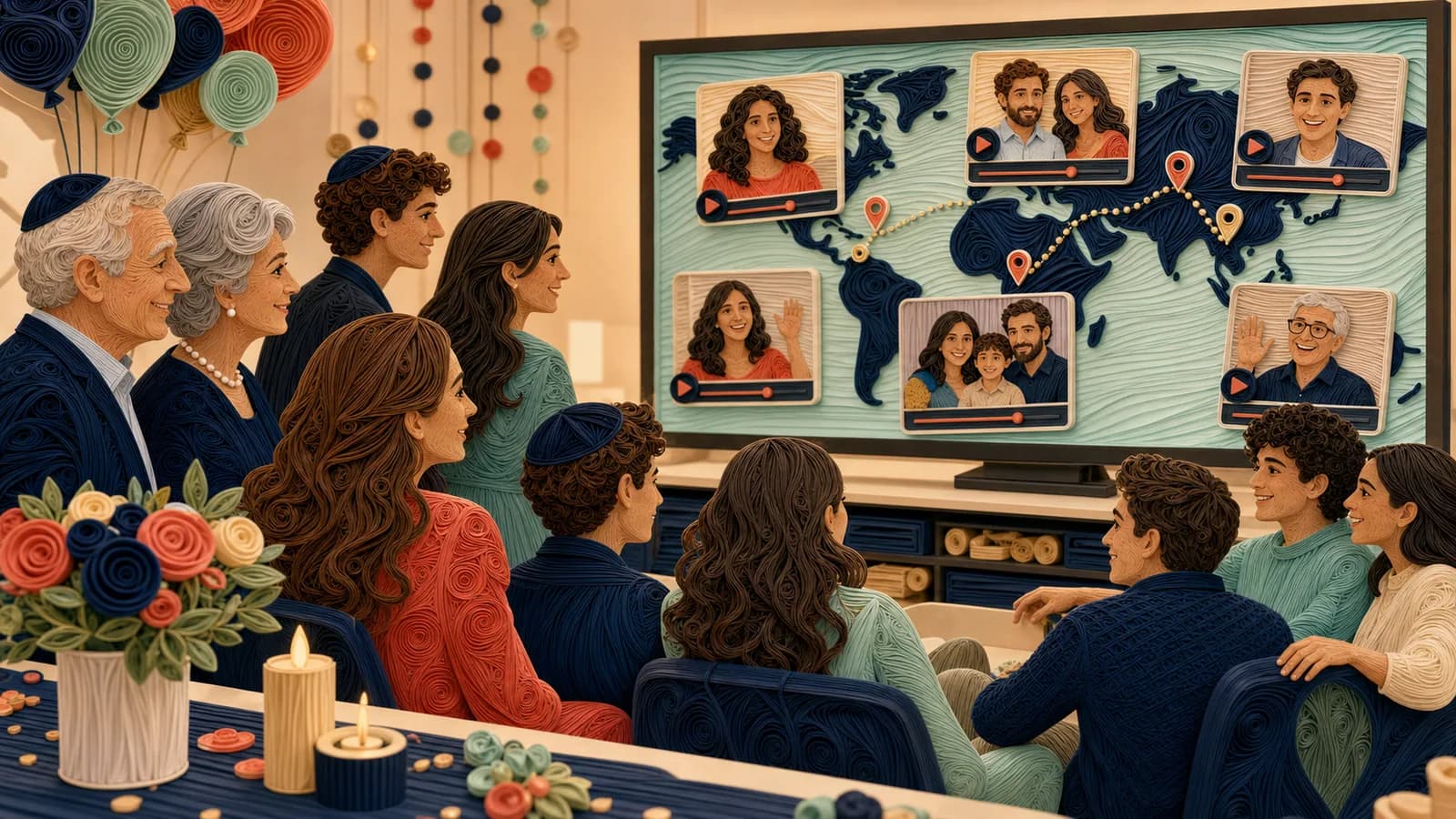
A map-based story works when gratitude is tied to places. A family might include the old neighborhood where someone helped them settle in. A team might show offices, project sites, or cities connected to a mentor's work.
Choose the simplest format that can carry the meaning. Extra effects cannot replace a clear message. If one sincere recording says enough, you do not need a large production.
Step 4: Plan a Short Story Before Recording
Give the video a beginning, middle, and end. The opening should name the recipient and purpose. The middle should show what happened through messages, photos, or memories. The ending should state what their help continues to mean.
For a solo message, use this order: greeting, specific action, personal effect, and closing thanks. This can fit into 30 to 90 seconds without feeling rushed.
For a group video, open with one sentence that explains why everyone gathered. Arrange the middle by time, theme, or relationship. End with a shared line, strong final memory, or simple group wave.
A timeline works when the person's support lasted for months or years. A theme structure works when contributors know the recipient in different ways. Possible themes include kindness, lessons, laughter, steady support, and moments that changed things.
Write a short outline instead of a word-for-word speech. An outline gives you direction while leaving room for your normal voice. Use a full script only if it helps with nerves or an important detail.
Step 5: Ask Contributors Questions That Lead to Real Stories
Do not ask people to say something nice. That request often produces repeated lines. Ask one focused question that points toward a memory or result.
Useful prompts include: What did this person do when you needed help? What lesson from them do you still use? When did they make you feel welcome? What ordinary habit do you appreciate? Which place reminds you of their support?
Give contributors one main prompt and two optional choices. Too many questions can make a small recording feel like homework. Tell them that one clear example is enough.
Set a clip limit before collecting files. About 20 to 45 seconds works for many group contributions. A smaller group can use longer clips, while a large group may need shorter answers.
Your request should include the purpose, prompt, deadline, clip length, submission method, and privacy plan. Offer a written-message or photo option for anyone who cannot record.
Send one calm reminder before the deadline. Thank people who already contributed, and repeat the same link and instructions. Consistent directions make the organizer's work much easier.
Step 6: Record a Natural and Clear Message
A modern phone is enough. Clean the camera lens, place the phone at eye level, and keep it steady. Face a window or soft light instead of standing with a bright window behind you.
Record in a quiet space. Close doors, turn off loud fans, and move away from traffic or television sound. Clear audio matters more than a perfect background.
Look at the camera lens instead of watching your own image. Imagine the recipient listening from the other side. This small change makes the recording feel more direct.
Pause for one second before and after speaking. Those quiet moments help during editing. Speak a little slower than usual, but do not force a formal voice.
Use notes placed near the camera if needed. Record two or three versions, then choose the one that feels warm and clear. Small pauses, smiles, and imperfect moments can make the clip more human.
Choose one phone direction for a group project. Landscape often suits televisions and laptops. Portrait can work for mobile sharing. Consistent framing makes a video montage easier to watch.
Step 7: Add Photos, Written Messages, and Places With Purpose
Use extra material only when it adds meaning. A photo should show the person, moment, or result being described. A written message should add a voice that would otherwise be missing.
Match each photo to the message around it. If someone thanks a coach for a first tournament, show a photo from that event. If a friend remembers help after a move, show the new home, city, or shared visit.
Locations can give the story a clear path. Consider a school, workplace, hospital, community center, family home, travel stop, or town where the support happened. Avoid sharing a private address when a general area will tell the story.
AlbumMap can help when several people want to contribute photos, short videos, written notes, and locations. The map can move between meaningful places while each person explains what happened there.
A mapped format is most useful when place is part of the gratitude. It should support the story, not become a decorative feature. If locations do not matter, a direct recording or simple montage may be the better choice.
Step 8: Edit for Warmth, Clarity, and Pace
Start with the strongest opening, not a long title sequence. The recipient should understand who the video is for within the first few seconds.
Remove long pauses, repeated points, and clips that do not support the main idea. Keep natural breaths and reactions when they add warmth. Editing should make the message easier to follow without removing its personality.
Mix voices, photos, and written notes so the video does not feel repetitive. Place a lighter memory after a serious section when that tone fits the relationship. Save one meaningful message for the ending.
Use simple cuts or gentle fades. Fast effects and busy graphics can pull attention away from the people speaking. Keep on-screen text large, brief, and easy to read.
If you add music, choose a track you have permission to use. Keep it quiet under speech. Watch the full edit with headphones and without them to confirm that every voice remains clear.
Add captions or a transcript when possible. Captions help people who are deaf or hard of hearing. They also help with soft voices, accents, and recordings made in less-than-perfect spaces.
Step 9: Review Privacy and Share It Thoughtfully
Check every name, image, recording, written note, and location before sharing. Remove private health, family, workplace, or school details that the recipient would not want shown.
Make sure each contributor understands where the finished video will appear. Permission for private viewing does not always include public social media. Ask again before changing the sharing plan.
Use a private link or direct message when the content is personal. If the video will be shown at an event, test the screen, sound, and internet connection. Keep a backup when your chosen service allows it.
Review spelling and name pronunciation. Check that music does not cover speech and that captions match the recording. Ask one trusted person to watch the final version with fresh eyes.
Choose a delivery moment that suits the recipient. They may enjoy watching with the group, during a video call, or alone at home. A thoughtful delivery can protect the personal feeling you worked to create.
A Simple One-Week Plan
Day one: choose the recipient, purpose, format, organizer, and sharing plan. Write one main prompt and decide how long each contribution should be.
Day two: send the invitation with one submission link and a clear deadline. Include a sample response and an option for photos or written notes.
Days three and four: collect clips, photos, messages, and meaningful places. Keep a checklist so no file becomes lost or separated from its contributor.
Day five: send one friendly reminder. Begin arranging the material you already have by time, theme, or location.
Day six: edit the story, add captions, and check permissions. Remove repeated messages and any detail that should remain private.
Day seven: ask another person to review the finished video. Fix names, sound, pacing, or access problems before sharing it with the recipient.
Common Mistakes That Make Gratitude Feel Generic
Avoid asking every contributor to use the same full script. Shared prompts create unity, but personal answers create meaning. Let each person use their own voice.
Do not make the introduction too long. The recipient is waiting to hear from people they know. A simple title and one clear opening line are enough.
Avoid adding every photo you receive. Choose images that support a message or reveal another part of the story. Too many similar photos can hide the strongest memories.
Do not wait until editing to think about privacy. State the sharing plan in the original invitation. This gives contributors a fair chance to decide what they want to include.
Finally, do not chase perfection. A sincere sentence with one real detail can be more moving than a flawless speech. The goal is to help someone feel seen, not to make a movie trailer.
Examples You Can Copy
Copy-ready personal message
Hi [Name]. I have been thinking about the way you helped me during [specific moment]. You [specific action], and it made me feel [effect]. I still use what you taught me when [current example]. Thank you for noticing what I needed and showing up with so much care.
Copy-ready message for a mentor or teacher
Thank you for teaching me more than [subject or skill]. I still remember when you [specific action]. That moment helped me become more confident about [result]. Your patience changed the way I approach difficult things.
Copy-ready group invitation
Hi everyone. We are making a short appreciation video for [Name] to thank them for [reason]. Please record a 20- to 45-second clip answering this question: What is one specific thing [Name] did that made a difference to you? You may also send one photo or written note. Please submit everything through [link or method] by [date]. The finished video will be [shared privately/shown at the event].
Copy-ready reminder
A friendly reminder that messages for [Name] are due on [date]. One short, natural clip is perfect. Please share one memory, lesson, or action you appreciate. A photo or written note is also welcome. Submit it here: [link]. Thank you to everyone who has already contributed.
Copy-ready opening and closing
Opening: We brought together a few people, memories, and places to show what your support has meant to us. Closing: Your care reached more people than you may have realized. These stories are only a few examples. Thank you for the time, patience, and kindness you gave us.
Copy-ready location request for an AlbumMap project
Optional: please include one place connected to your memory. It could be a school, workplace, city, family home, community space, or travel stop. We are using AlbumMap to connect the messages, photos, clips, and places into one shared story. A general location is enough; please do not send a private address.
Final Thoughts
A personal gratitude video does not need perfect editing or dramatic words. It needs one clear purpose and details that only the recipient would recognize. Name what they did. Explain how it helped. Let each contributor speak in a natural voice. Then choose photos, messages, and places that support the story. When those memories come from several people or locations, AlbumMap can bring them together in one map video gift. However you make it, the most important result is simple: the recipient should finish watching and know that their care was noticed.
Helpful answers
Frequently asked questions
- How long should a thank you video be?
- A solo message can often fit into 30 to 90 seconds. A group video may need several minutes, depending on the number of contributors. Keep each group clip focused, remove repeated ideas, and let meaningful content determine the final length.
- What should I say if I feel awkward on camera?
- Use three short points: what the person did, how it helped, and why you remember it. Place a few notes near the camera and speak as if the recipient were in the room. A natural pause is better than a speech that does not sound like you.
- How can I make a group thank you video feel connected?
- Give everyone one shared prompt, then ask for different memories. Arrange the clips by time, theme, relationship, or location. Add a short opening that explains the purpose and a closing that brings the voices together.
- Can someone contribute without recording a video?
- Yes. Accept a written note, voice recording, drawing, or meaningful photo when it fits the project. This makes participation easier for people who lack equipment, dislike cameras, or need another accessible option.
- Should I add music to an appreciation video?
- Music is optional. If you use it, choose a track you have permission to include and keep it quiet under speech. Clear voices and sincere details matter more than a dramatic soundtrack.
- When does AlbumMap fit a gratitude video?
- AlbumMap is useful when many people want to contribute or when memories are tied to meaningful places. It can bring photos, short recordings, written messages, and locations together as a map-based story.
- How should I share a personal video safely?
- Tell contributors how the finished video will be used before they submit anything. Check every name, image, message, and location. Use a private link when the content is personal, and obtain fresh permission before posting it publicly.