School Year Recap Video Ideas for Students and Families
A school year recap video can preserve the moments that disappear between the first day and summer break. It may include new friendships, class projects, performances, sports, field trips, and small signs of growth. A family can make one for a single student. A teacher or school can create one for a class or wider community. The best recap does not need every photo from the year. It needs a clear focus, fair representation, and a simple story. This guide offers practical formats, planning steps, student prompts, and privacy checks. You will also find examples that you can copy and adapt.
Choose the Purpose and Audience First
Begin by deciding what the video should help viewers remember. A family recap may focus on one child’s growth. A class recap should represent the group. A school-wide version may highlight shared events, programs, and achievements.
Next, name the intended audience. Will the video stay within the family, play at a classroom event, or appear on a public school page? This choice affects the length, tone, permissions, and type of media you can use.
Write one purpose sentence before collecting anything. For example: “This video will show how our class learned, worked together, and changed from September to June.” Use that sentence to decide what belongs.
School Year Recap Video Ideas for Different Stories
1. Month-by-month timeline: Begin with the first day, then move through major moments in order. This format makes growth easy to see. It works well when photos and clips were collected throughout the year.
2. First day and last day: Pair similar shots from both ends of the year. Show a student entering the classroom, completing a task, joining a team, or speaking with more confidence. Add a short reflection about what changed.
3. What we learned: Build chapters around subjects, skills, or projects. Show the process, not only polished results. Early drafts, rehearsals, experiments, and practice sessions can make progress feel real.
4. Student voice recap: Ask students the same two or three questions. Mix their answers with photos and short clips. This format gives the story warmth without needing complex effects.
5. A year of firsts: Include a first presentation, first game, first performance, first field trip, or first leadership role. This idea suits younger students and anyone who tried something new.
6. Friendship and community: Focus on teamwork, clubs, class traditions, peer support, and shared celebrations. Avoid turning the video into a popularity list. Include varied groups and quieter moments.
7. Behind-the-scenes school life: Show preparation for events, project setup, practice, artwork in progress, or classroom routines. These ordinary scenes often become meaningful later.
8. Student video time capsule: Record each student answering one future-facing question. Ask what they are proud of, what they want to remember, or what they hope to learn next year.
9. Places that shaped the year: Organize the story around the classroom, library, gym, stage, field, garden, and approved field-trip locations. Add one memory or reflection at each stop.
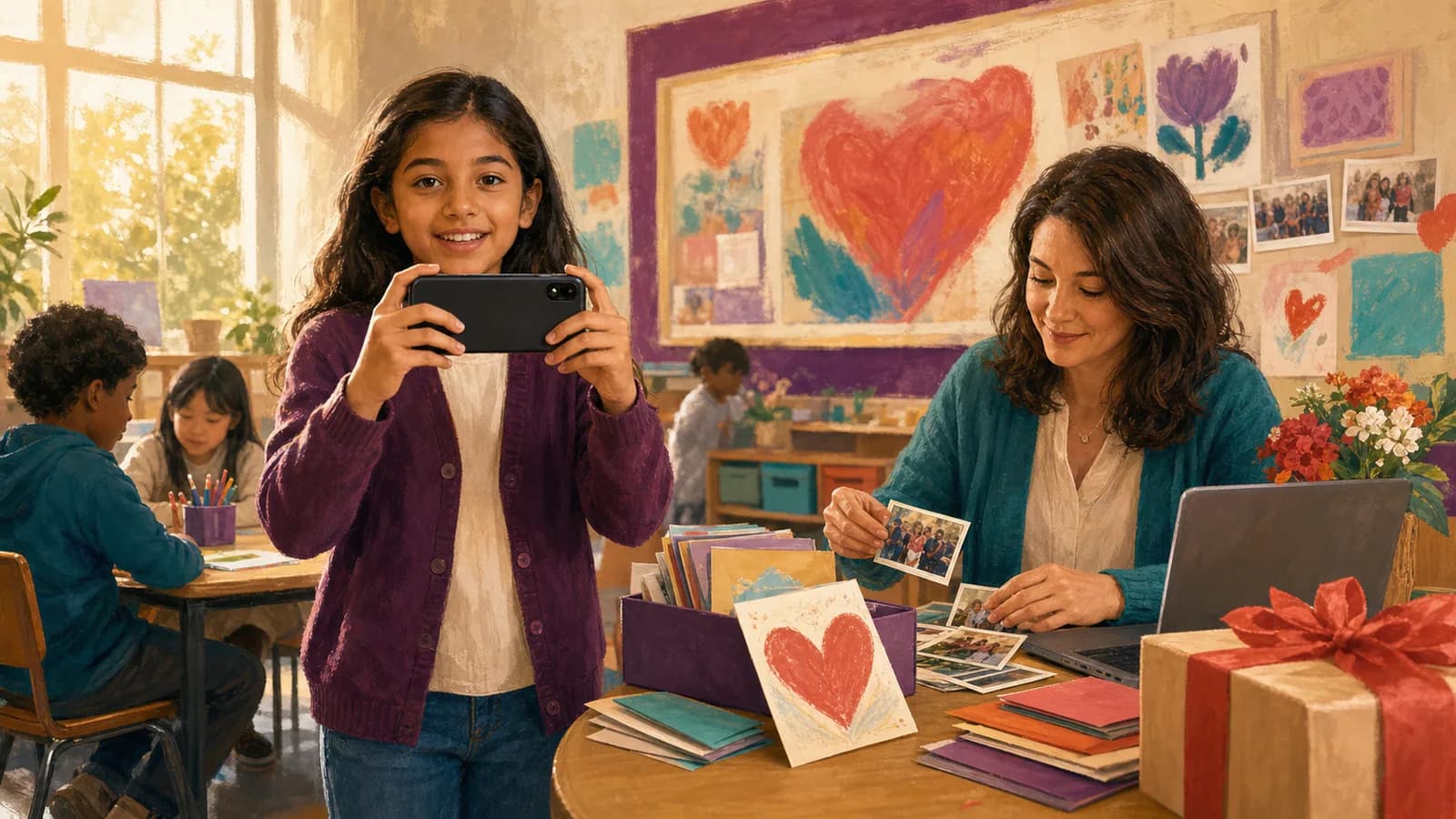
10. Family perspective: Combine school media with approved photos from home. A parent might show a reading habit, practice routine, or project that continued outside class. Keep the student’s own voice at the center.
How to Plan a School Year Recap Video Step by Step
Step 1: Name one organizer. This person manages the purpose, contributor list, deadline, permissions, and final review. A school project should also have an adult responsible for student privacy.
Step 2: Choose a format before requesting media. Pick a timeline, topic-based structure, interview recap, time capsule, or place-based story. One main format will prevent a random collection of clips.
Step 3: Make a short content list. Useful groups include first days, projects, friendships, activities, trips, performances, achievements, challenges, and reflections. You do not need every group for every video.
Step 4: Send one clear request. State what people may submit, the preferred clip length, the deadline, and where the video will appear. Offer written and audio options for people who do not want to appear on camera.
Step 5: Collect files in one place. Use clear labels such as month, event, student first name, or chapter. Keep permission records separate from the media folder.
Step 6: Review before editing. Remove duplicate images, weak recordings, private details, and anything without the required consent. Check that the remaining material reflects the whole story fairly.
Step 7: Build a rough order. Start with a welcoming scene, move through three to six chapters, and finish with student reflections or a hopeful closing. Add title cards only when they help viewers follow the story.
Step 8: Test the full video. Watch it on the screen and speakers that will be used. Check names, captions, sound, crop, pacing, permissions, and the final sharing link.
Keep the Final Video Focused and Easy to Watch
A family recap can often stay between three and six minutes. A class or school version may need more time, but every section should earn its place. If the audience will watch during an event, test whether the length suits the schedule.
Ask contributors for clips of about 10 to 20 seconds. Short answers are easier to record and combine. A longer story can work when it adds a detail that no other clip provides.
Mix talking clips with photos, project details, drawings, and short action scenes. This change in pace keeps the video from feeling like a long interview. Leave enough time to see each important image.
Use simple cuts and gentle transitions. Fast effects can distract from student voices. The goal is to make the year clear, not to show every editing feature.
Use Prompts That Lead to Specific Memories
A broad question such as “How was your year?” may produce one-word answers. Ask about a moment, change, person, or lesson instead. Let students choose from two or three prompts.
Useful prompts include: What are you proud of learning? When did someone help you? What made you laugh? Which project would you do again? What was hard at first but easier later? What should next year’s class know?
Families can offer another view. Ask what change they noticed at home or which school story their child repeated. Teachers can describe group growth without sharing grades, private needs, or personal records.
Do not require a student to share an emotional or difficult experience. A favorite activity, drawing, sound, object, or place can be enough. Safe choices often lead to more natural contributions.
Make a Family Recap Feel Personal
For one student, begin with a first-day photo or short interview. Then choose a few moments that show learning, relationships, interests, and growing independence. Finish with the student speaking about next year.
Ask the student to help choose the media. Their favorite moment may differ from the one an adult would select. This shared choice makes the recap feel like their story.
Small details add life. Include a lunchbox note, a well-used backpack, a practice page, an art project, or a clip from a school event. Avoid showing grades or private school records.
If footage is limited, use photos with a short voiceover. A thoughtful story made from ten strong items can work better than a crowded video made from hundreds.
Make a Class or School Recap Feel Fair
Group videos need a representation check. Look for different students, activities, subjects, and parts of the year. Do not let one event or highly photographed group take over the full recap.
Set a simple rule for student clips. For example, invite each student to answer one prompt for up to 15 seconds. Written reflections or artwork can represent students who cannot or do not want to record.
Show achievement in more than one form. Include creativity, effort, teamwork, kindness, problem-solving, and personal growth. Awards and scores should not become the only signs of a successful year.
Ask another adult to review the rough cut. They may notice a missing group, incorrect name, private detail, or joke that could feel uncomfortable when shown publicly.
Protect Student Privacy Before You Share
Ask the school which policies apply before collecting media. Permission for a yearbook or private classroom tool may not cover a new video. Public social media may require a separate review.
Tell contributors who will watch the finished recap. A private family link, class screening, school newsletter, and public website are different uses. Obtain the required consent for the exact audience.
Check backgrounds as well as faces. Whiteboards, badges, schedules, addresses, login details, and student work may reveal private information. Blur, crop, replace, or remove anything that should not be shared.
Use first names only when school guidance permits them. Avoid pairing a full student name with a routine or precise location. Keep permission records and remove media when consent is unclear.
Offer a way to take part without appearing on camera. Students can share artwork, a written line, an audio reflection, or an approved project photo. Participation should feel safe and optional.
When a Map-Based School Story Adds Meaning
Some school memories are closely tied to places. The classroom may mark the first day. The library may hold a reading milestone. The gym, theatre, field, garden, or museum may connect to another chapter.
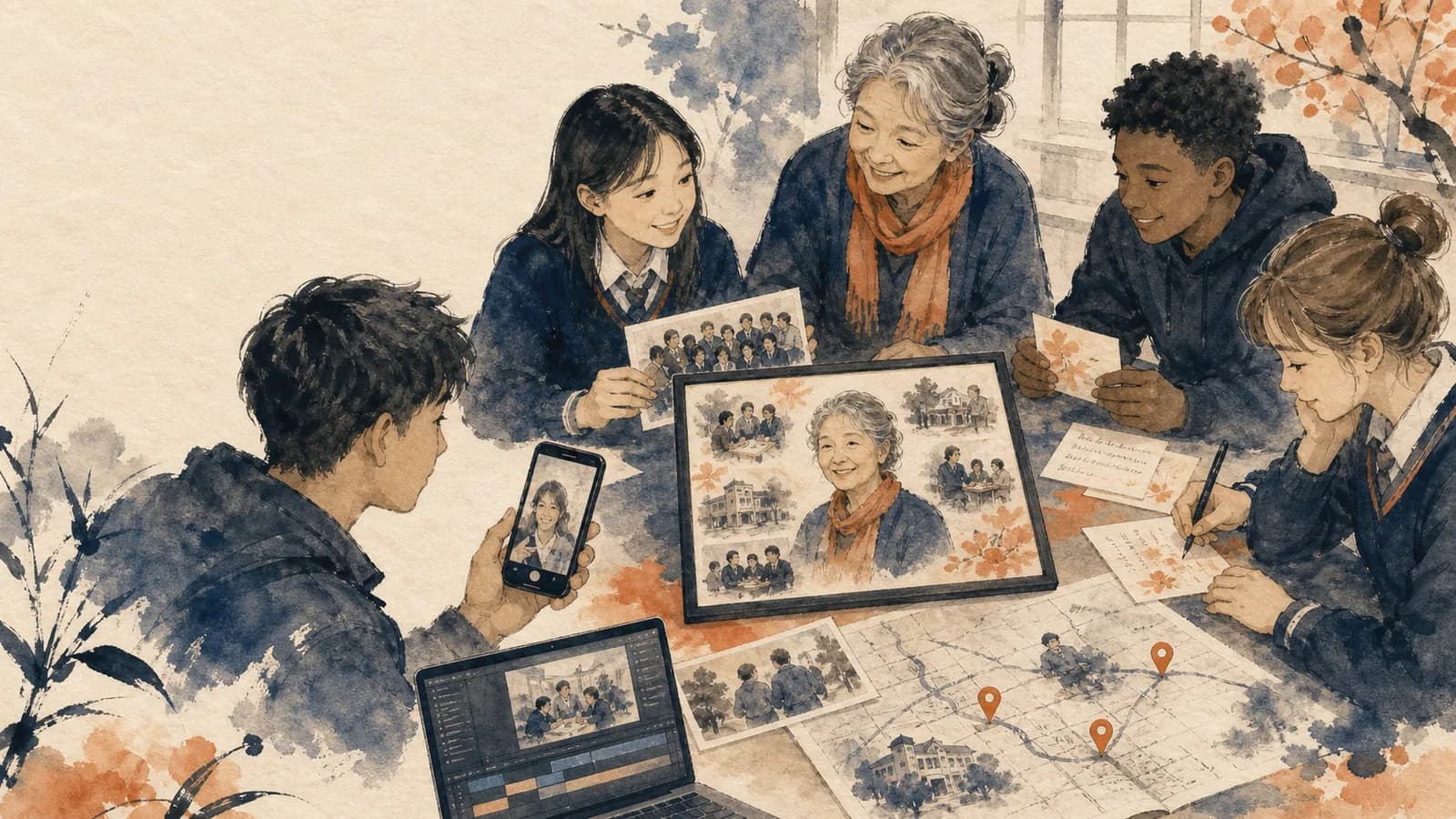
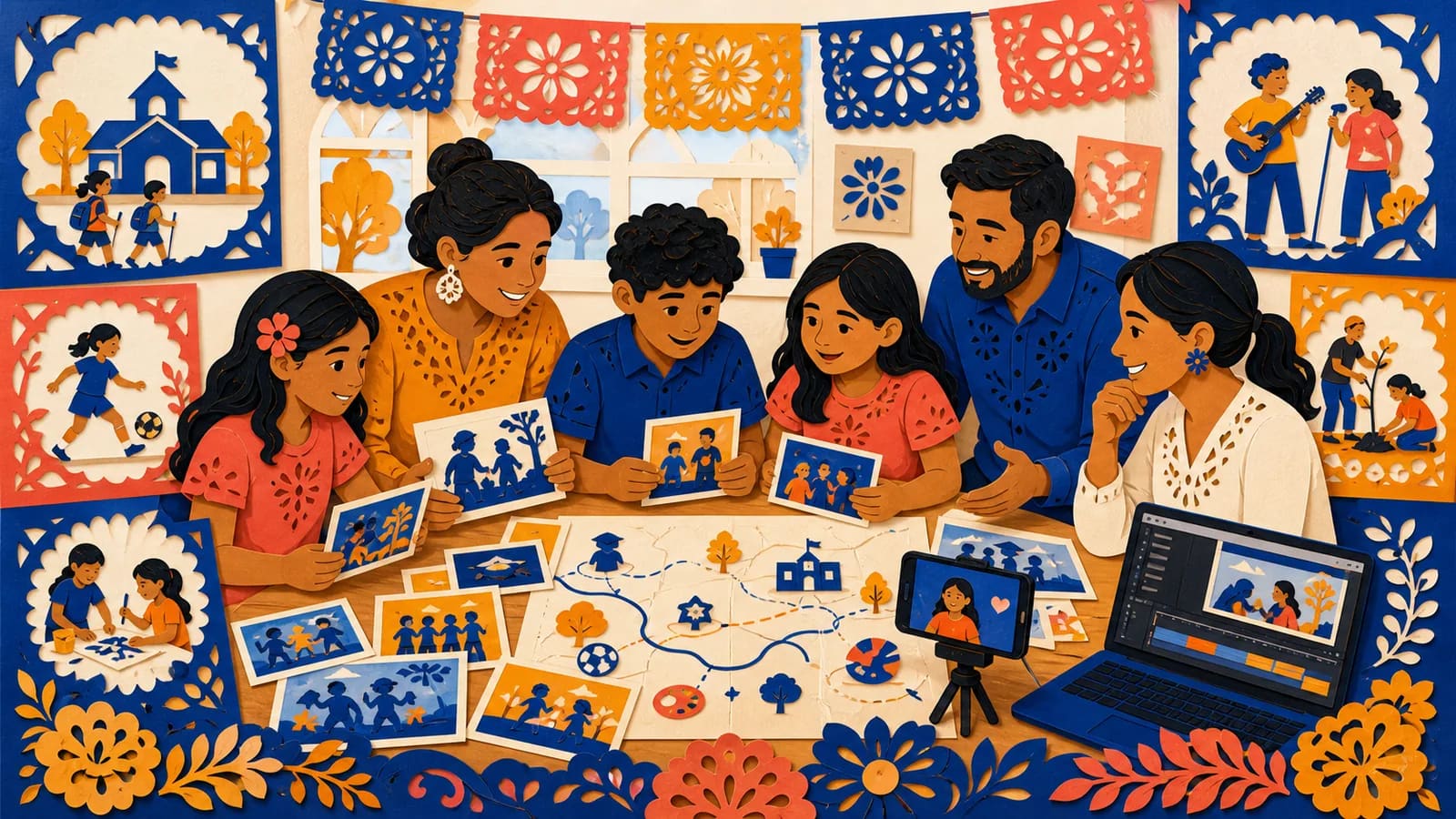
AlbumMap can help when those locations create a useful path through the year. Approved contributors can add photos, short videos, written reflections, and places. The finished story can move between those locations on a map.
A simple route might begin at home on the first morning. It could continue to the school, field-trip stops, performance venue, and final celebration. Each stop should add a new part of the story.
Do not add precise locations when privacy or safety makes them unsuitable. A general school or city location may be enough. The map should support the memory without revealing private routines.
Add Music, Captions, and Simple Design
Choose music that supports the tone without covering student voices. Keep it soft under speech. Use tracks that you have permission to include in the planned sharing setting.
Add captions for recorded messages when possible. Captions help people in noisy rooms and support viewers with hearing differences. They also make quiet student recordings easier to follow.
Use readable title cards with short phrases. Good chapter labels include “First Days,” “What We Learned,” “Working Together,” and “Looking Ahead.” Avoid long paragraphs on screen.
Preview the video on a phone and a larger screen. Small text, vertical clips, and low sound may behave differently across devices. Fix these issues before the event.
Common Recap Mistakes to Avoid
Do not try to include every photo. Repeated images slow the story and hide the strongest moments. Choose media that adds a new person, event, feeling, skill, or place.
Do not wait until the last school day to collect material. Begin two or three weeks early when possible. Set the submission deadline several days before the final edit is due.
Avoid teasing, private jokes, or embarrassing clips. A funny moment should still feel safe when the student, family, teacher, and wider audience see it.
Do not publish a private event video without another permission check. A warm response at a classroom screening does not create consent for public sharing.
Finally, do not let editing effects become the main event. Clear voices, fair choices, and real moments will matter more than elaborate transitions.
A Simple Two-Week Production Plan
During the first two days, choose the purpose, audience, format, organizer, and permission process. Then send the contribution request with a clear deadline.
Use the next five days to collect and label approved media. Review gaps before the deadline. Send one polite reminder only where it is needed.
Spend two or three days building the rough cut. Ask another adult to review representation, privacy, names, sound, and pacing. Make the final changes after that review.
Test the finished video at least one day before the screening or family share. Keep a backup copy and confirm that the chosen viewing link works.
Examples You Can Copy
Copy-ready request for families
Hello families. We are creating a short year-end class recap for [Class or Grade]. Please send one approved photo, a video clip of up to 15 seconds, or a short written reflection by [date]. Students may answer: What are you proud of learning this year? The finished video will be shown to [audience] through [viewing method]. Participation is optional. Please upload contributions here: [link].
Copy-ready prompt for one student
Think about the start of the year. What felt new or difficult? Now think about today. What can you do, understand, or enjoy that changed during the year? Answer in two or three sentences.
Copy-ready first-day and last-day voiceover
On the first day, [Name] felt excited about [detail] and unsure about [detail]. Over the year, they tried [activity], learned [skill], and found joy in [memory]. By the last day, they were proud of [specific change].
Copy-ready class opening
This was a year of questions, practice, friendship, and growth. We did not all learn in the same way or at the same speed. These moments show what our class built together.
Copy-ready student time-capsule message
My name is [first name], and I am in [grade]. This year I am proud that I [achievement or change]. I want to remember [specific moment]. Next year, I hope to [goal].
Copy-ready location request for an AlbumMap project
Please share one approved place connected to this school year. It might be the school, library, sports field, theatre, or field-trip location. Add one photo, clip, or sentence that explains what happened there. Do not include a private home address or student routine.
Final Thoughts
A strong year-end recap is not a record of every school day. It is a short story about learning, people, effort, and change. Choose a clear purpose, invite specific reflections, represent the group fairly, and protect student privacy. When meaningful places help shape the story, AlbumMap can connect approved photos, clips, messages, and locations in one map-based keepsake.
Helpful answers
Frequently asked questions
- How long should a school year recap video be?
- A family recap can often stay between three and six minutes. A class or school video may be longer, depending on the audience and event schedule. Ask most contributors for clips of 10 to 20 seconds and remove repeated material.
- What should students say in an end-of-year recap video?
- Ask students to share one proud moment, favorite memory, helpful person, hard-won skill, or hope for next year. Specific prompts work better than asking them to summarize the whole year.
- What if we do not have photos from every month?
- Organize the story by themes instead of months. Chapters can cover learning, friendships, projects, activities, special events, and looking ahead. Written reflections, artwork, and voiceovers can also fill useful gaps.
- Can students take part without appearing on camera?
- Yes. They can contribute an approved project photo, artwork, written reflection, audio recording, or group item. Follow school policy and make participation optional.
- Can a school post the finished recap on social media?
- Only when school policy and the required permissions cover that exact use. Consent for a private class event may not include public posting. Review the final cut and its audience before sharing.
- How can families help with a class recap?
- Families can send approved photos, short reflections, or examples of growth noticed at home. Give everyone the same request, deadline, upload method, audience information, and privacy rules.
- When does AlbumMap fit a school recap?
- AlbumMap fits when places add meaning to the story. A route can connect the school, library, field, theatre, or approved trip locations with photos, clips, and reflections. Avoid precise locations that create privacy concerns.