What to Say in a Thank-You Video for a Teacher
A good thank you message for teacher videos does not need to sound like a formal speech. It should name one real thing the teacher did and explain why it mattered. You can then close with a warm wish or one lesson you will carry forward. That simple plan works for students, parents, former students, and whole classes. Below, you will find an easy formula, recording tips, prompts, and examples you can adapt without losing your own voice.
A Thank You Message for Teacher Videos Needs Three Parts
Use three parts: name the teacher, share one specific thank-you, and end with a warm closing. This structure gives your message a clear path. It also helps you avoid repeating broad lines such as “Thanks for everything.”
Start by speaking to the teacher directly. Then name a lesson, kind action, class routine, or moment that stayed with you. Explain the result in one sentence. You might say that you became more confident, understood a hard topic, or felt safe asking questions.
Close with something simple and true. You could say that you will miss the class, remember their advice, or use what they taught you. Most personal clips only need 15 to 30 seconds. A short message with one real detail often feels warmer than a long speech.
Choose One Detail That Only This Teacher Would Recognize
Specific details make a message feel personal. Think about a lesson, project, joke, field trip, club, performance, or classroom habit. Small moments work well. The teacher may remember the quiet act of help more clearly than a large school event.
Ask yourself three questions. What did the teacher do? How did it affect me or my child? What will I remember? Your answers can become the middle of your message. For example, a student might remember a teacher staying calm during a hard presentation. A parent might notice that their child started reading at home.
Do not worry if your memory seems ordinary. A teacher may not know that a short talk after class changed your week. Telling them about that result is often the most meaningful part of the video.
What Students, Parents, and Former Students Can Say
A current student can focus on a skill, memory, or feeling. Younger children may name a favorite activity and say why it was fun. Older students can explain how the teacher helped them grow, solve a problem, or see a subject in a new way.
Parents can share a change they noticed outside school. Perhaps their child became more willing to read, felt less anxious about math, or talked about class with new interest. Keep the focus on the teacher’s support. Avoid sharing private details that the child would not want in the finished video.
Former students can describe a lesson that lasted. They might still use the teacher’s study method, advice, or way of thinking. A message sent years later can be brief. Give enough context for the teacher to remember you, then explain what stayed with you.
Thank-You Video Examples You Can Adapt
Treat an example as a starting point, not a final script. Replace every bracketed detail with something real. Read your version aloud once. If it sounds too formal, use words you would normally say in a conversation.
A simple student message can follow this pattern: “Hi [Teacher Name]. Thank you for helping me with [skill]. I used to [challenge], but now I [change]. I will always remember [specific detail].” A parent can use the same plan while describing a change noticed at home.
For a group video, give contributors one shared prompt. Useful choices include “One thing you taught me was…,” “I felt supported when…,” and “I will always remember….” The answers will feel connected without forcing everyone to say the same line.
How to Sound Natural on Camera
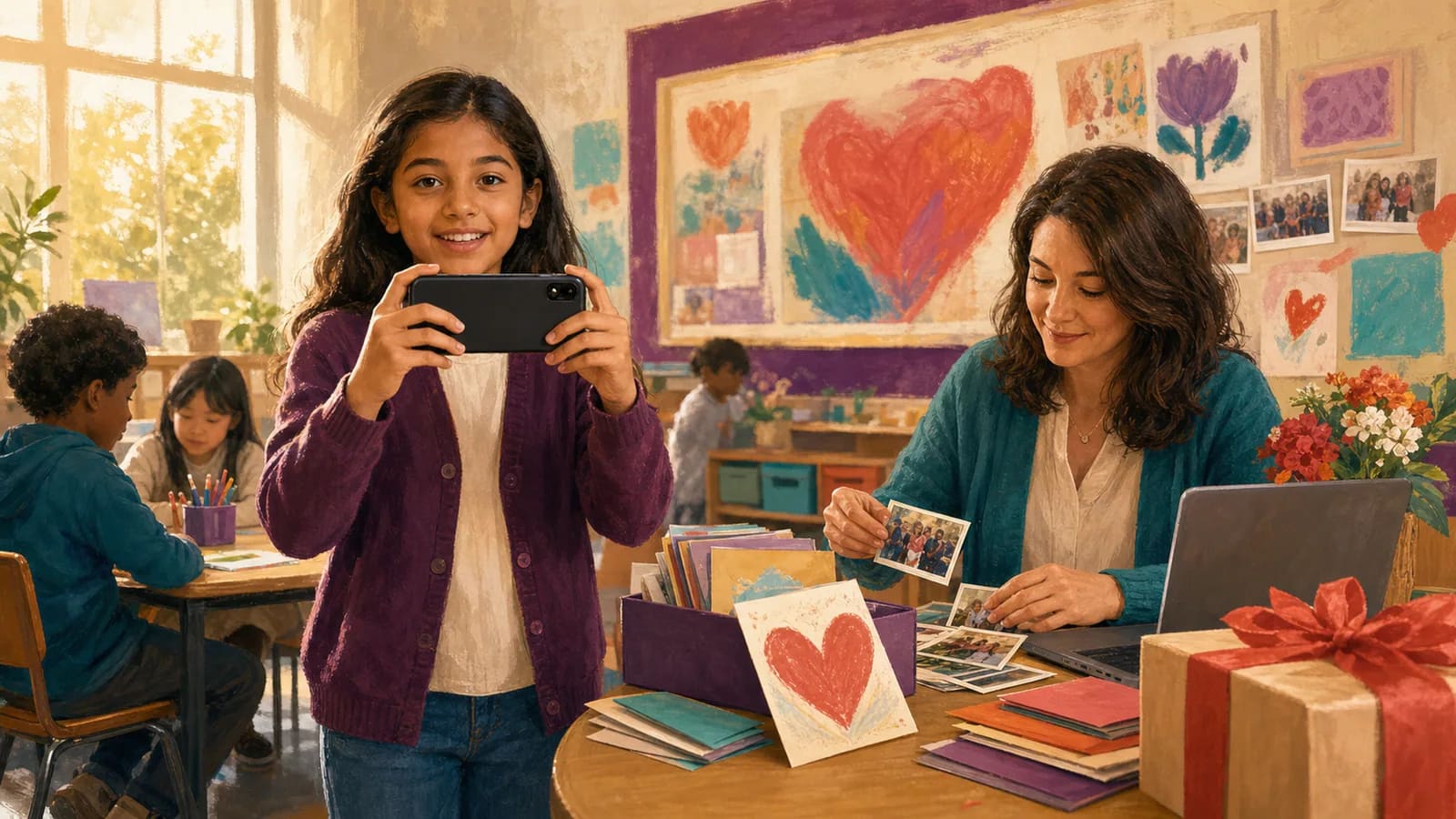
Write three short notes instead of a full page. Put the teacher’s name on the first line, your memory on the second, and your closing on the third. Glance at those notes if needed, but speak to the camera as if the teacher were standing nearby.
Record two takes. The first helps you settle your nerves. The second often sounds more relaxed. A pause or small stumble is fine. Your teacher is listening for your meaning, not judging a performance.
Place the phone near eye level and face a window or soft light. Choose a quiet room. Speak a little slower than usual, then leave a second of silence at the start and end. Those small gaps make the clip easier to edit.
What to Avoid in a Teacher Thank-You Message
Avoid jokes that may embarrass the teacher or another student. An inside joke is safe only when its meaning is kind and clear. Do not mention grades, health, family matters, or classroom problems unless the teacher would be comfortable hearing them in the group.
Do not fill the clip with praise that could describe any teacher. Words such as “amazing” and “best” are warm, but they become stronger with proof. Add one reason: “You were patient when I needed more time,” or “Your Friday science demos made me curious.”
Do not compare teachers or speak for the whole class unless the class agreed on the message. Use your own point of view. Honest words are enough, even when your experience differs from someone else’s.
Turn Separate Class Messages Into One Story
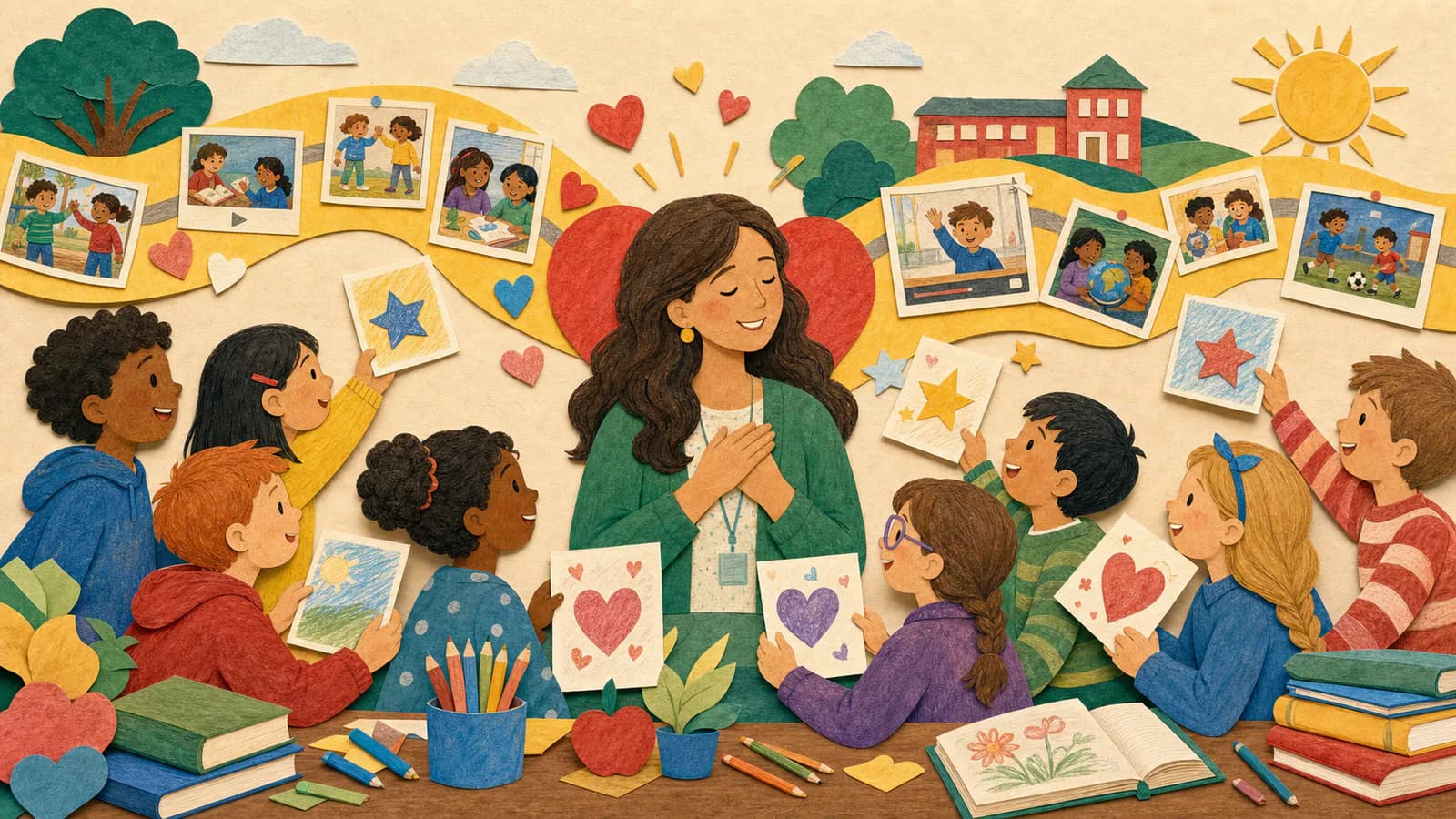
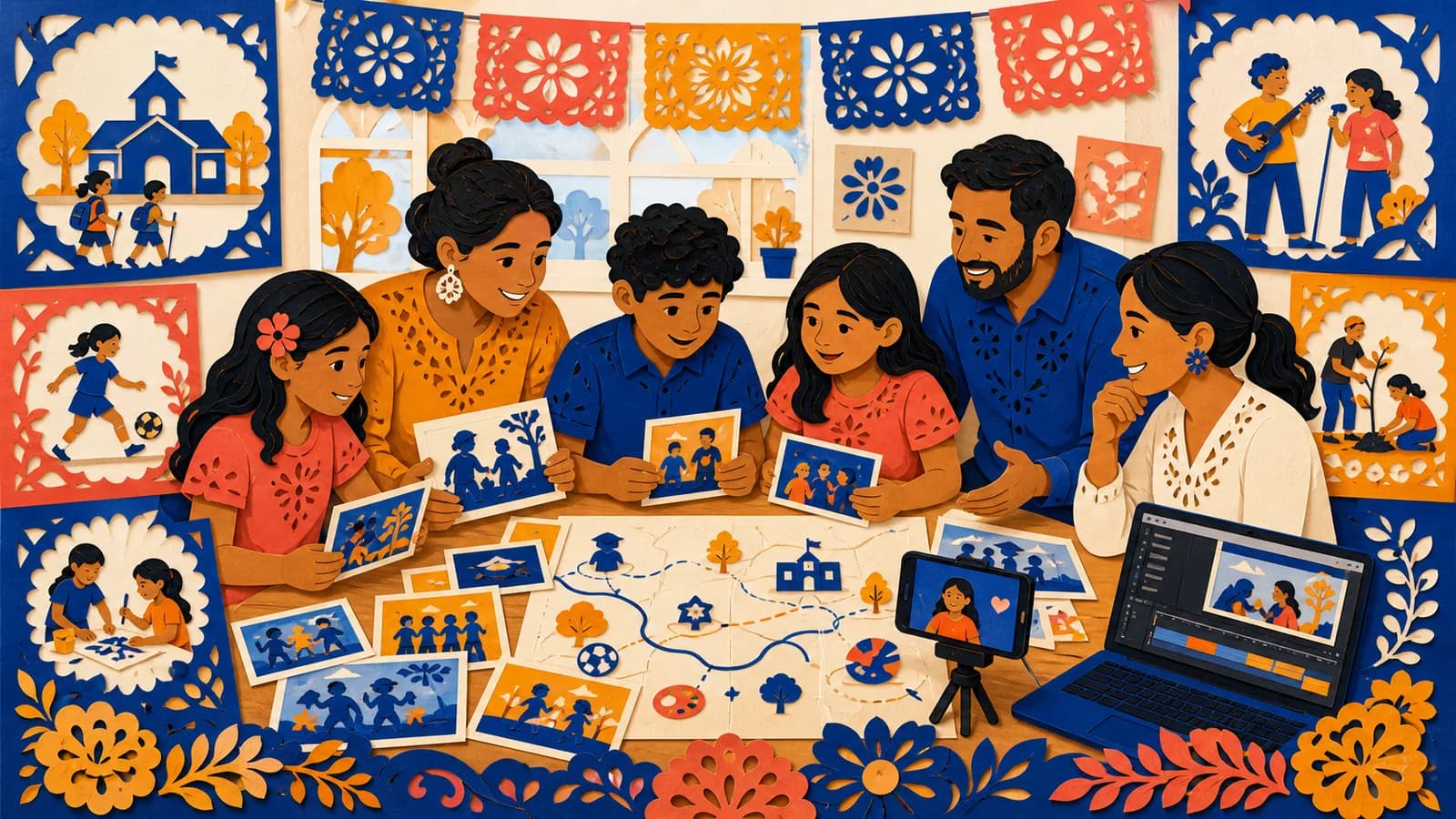
For a class project, ask each person to answer a different prompt or share a different memory. One student can thank the teacher for a lesson. Another can recall a field trip. A parent can describe growth seen at home. A staff member can recognize work that students may not see.
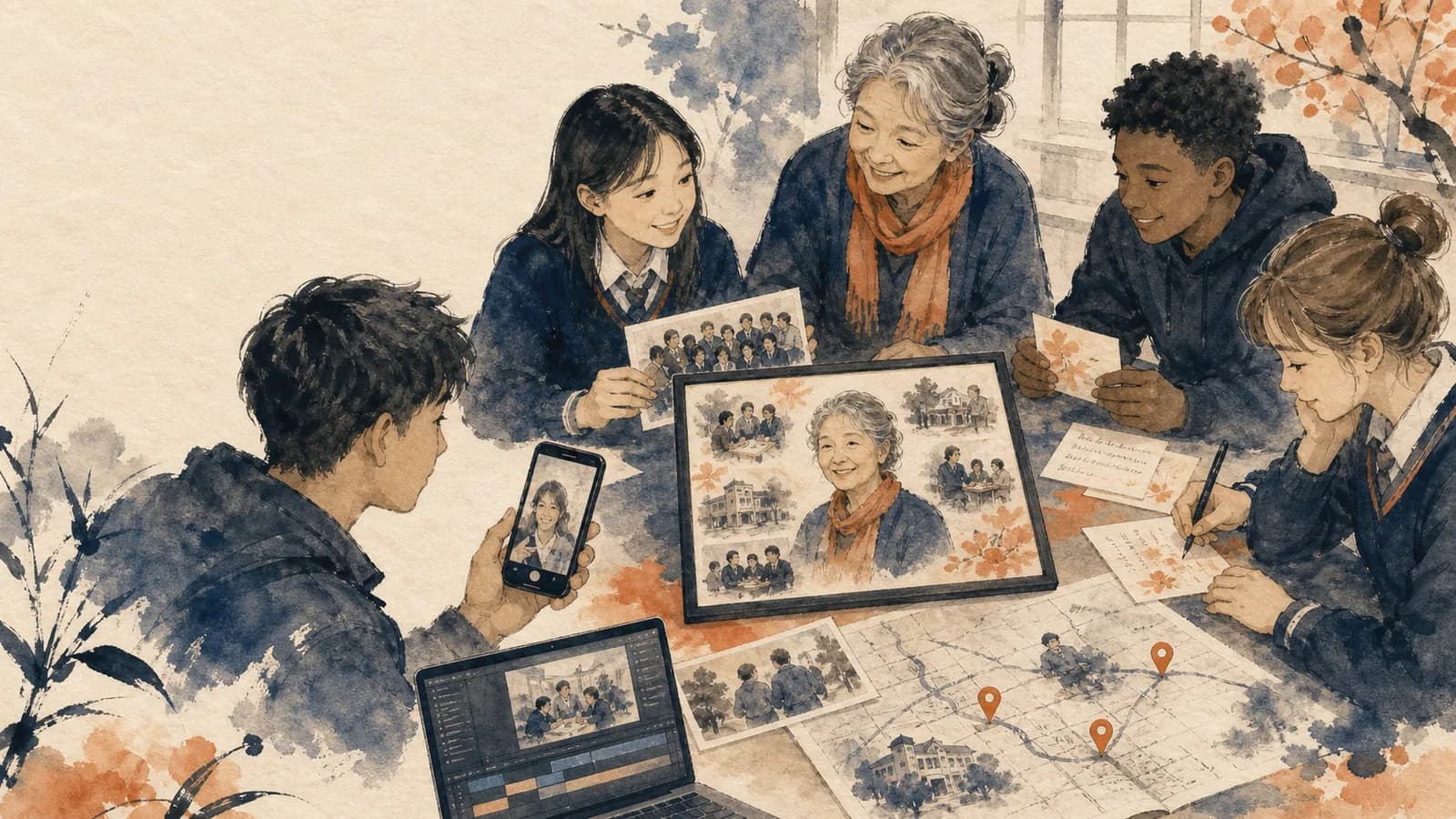
Photos and places can help connect those voices. You might include a safe class photo, student artwork, a project, the school garden, the library, or a field trip location. Use only media that the school and families have approved.
AlbumMap can help when the thank-you is bigger than one recording. It can bring short videos, written messages, photos, and meaningful locations into a map-based story. This fits a class whose memories are tied to several school places or trips. If you need the full planning process, read AlbumMap’s teacher appreciation video guide rather than repeating it here.
End With a Line the Teacher Can Carry Forward
Your closing does not need to summarize the whole year. Choose one feeling and say it clearly. You can wish the teacher a restful summer, thank them for believing in you, or promise to remember a lesson.
Try a closing such as “I will take your advice with me next year,” “Thank you for making our classroom feel welcoming,” or “I hope you know how much your patience mattered.” Then stop. A clean ending gives the message weight and keeps the video easy to watch.
Before submitting the clip, check the teacher’s name and listen to the sound. Make sure no private papers, student names, or school records appear in the background. If the video includes children, follow the school’s consent rules and share it only with the approved audience.
Examples You Can Copy
Short message from a student
Hi [Teacher Name]. Thank you for making [subject] easier to understand. Your way of explaining [topic] helped me keep trying. I am glad I was in your class.
Message about confidence
Thank you for giving me time to answer, even when I was nervous. I speak up more now because you made the classroom feel safe. I will remember that next year.
End-of-year student message
Hi [Teacher Name]. My favorite part of this year was [lesson or project]. You made it fun because [specific detail]. Thank you for a year I will remember.
Message from a younger child
Thank you, [Teacher Name], for reading [book] with us and helping me learn [skill]. I liked [class activity] best. I will miss you.
Parent thank-you message
Thank you for the care you gave [Child Name] this year. We saw a real change in [confidence, interest, or skill] at home. Your patience and steady support made a difference.
Message from a former student
Hi [Teacher Name]. I was in your [class or year] class. I still use your advice about [specific lesson]. It has helped me with [current situation], and I wanted you to know that your teaching stayed with me.
Graduation message for a teacher
As I graduate, I keep thinking about the day you helped me [specific moment]. You taught me more than [subject]. You showed me how to [lasting lesson]. Thank you for believing in me.
Message for a coach, music teacher, or club adviser
Thank you for expecting us to work hard while still making [team, group, or club] feel welcoming. I will remember [practice, performance, or event] and the confidence you helped me build.
Whole-class opening
Hi [Teacher Name]. We each wanted to share one lesson, memory, or kind moment from this year. Thank you for helping our class learn, grow, and feel supported.
Whole-class closing
From all of us, thank you for the time, patience, and care you gave our class. We hope these memories show how much your work meant to us.
Final Thoughts
The best teacher thank-you video is personal, clear, and easy to say aloud. Start with the teacher’s name. Share one moment and explain why it mattered. Then close with a line that sounds like you. If a class wants to combine many voices, approved photos, and meaningful school places, those pieces can become one shared keepsake. The goal is not a perfect performance. It is to help the teacher understand the difference they made.
Helpful answers
Frequently asked questions
- How long should a teacher thank-you video message be?
- Aim for 15 to 30 seconds for a group project. A solo message can run up to one minute if it includes a useful story. One specific memory matters more than extra length.
- What can I say if I do not know the teacher well?
- Thank the teacher for one thing you observed. You could mention their patience, clear instructions, welcoming classroom, or support for the group. Keep the message honest and avoid claiming a close bond.
- Should a student read from a script?
- A short script can help a nervous student. However, three note prompts often sound more natural. Write the greeting, one memory, and the closing. Let the student use their own words between those points.
- What should a parent say in a teacher appreciation video?
- Describe one positive change you noticed at home. Explain how the teacher’s care, patience, or teaching helped. Avoid sharing private information about the child without their permission.
- Can a class include photos and written notes with the videos?
- Yes, if the school and families approve their use. Photos, artwork, and notes can add context and variety. Keep the finished video private unless everyone has agreed to wider sharing.