Back-to-School Video Ideas for Meaningful First-Day Memories
A back-to-school video can preserve the small details that disappear once a new routine begins. The nervous breakfast, new backpack, walk to school, and after-school stories may feel ordinary today. Months later, they can show how much changed. You do not need to film the whole day. A few short clips, honest answers, and clear photos are enough. This guide offers practical ideas for preschool, elementary school, high school, and college transitions. It also includes simple prompts and a plan you can finish without turning the first day into a production. Keep the experience comfortable for the student. Some children love the camera. Others would rather share a drawing, voice note, or written answer. The goal is to save a real memory, not create a perfect performance.
Choose the Memory You Want to Save
Start with one clear purpose. You might want to remember a first school day, a move to a new building, or the start of college. You could also follow one family tradition that happens every September.
Think about what will feel meaningful later. A new lunchbox may be fun to see again. A short answer about hopes or worries may reveal even more. Choose three to five details instead of trying to record everything.
Ask the student what they want included. They may care about a friend, teacher, activity, or new independence. Their answer can shape the story and help the result feel like their memory.
9 Back-to-School Video Ideas to Try
1. Record a first-morning time capsule. Capture breakfast, packing the bag, choosing an outfit, and one thought before leaving. Repeat the same questions on the final school day to show growth.
2. Make a then-and-now comparison. Place an older first-day photo beside a new one. Ask what has changed and what still feels the same.
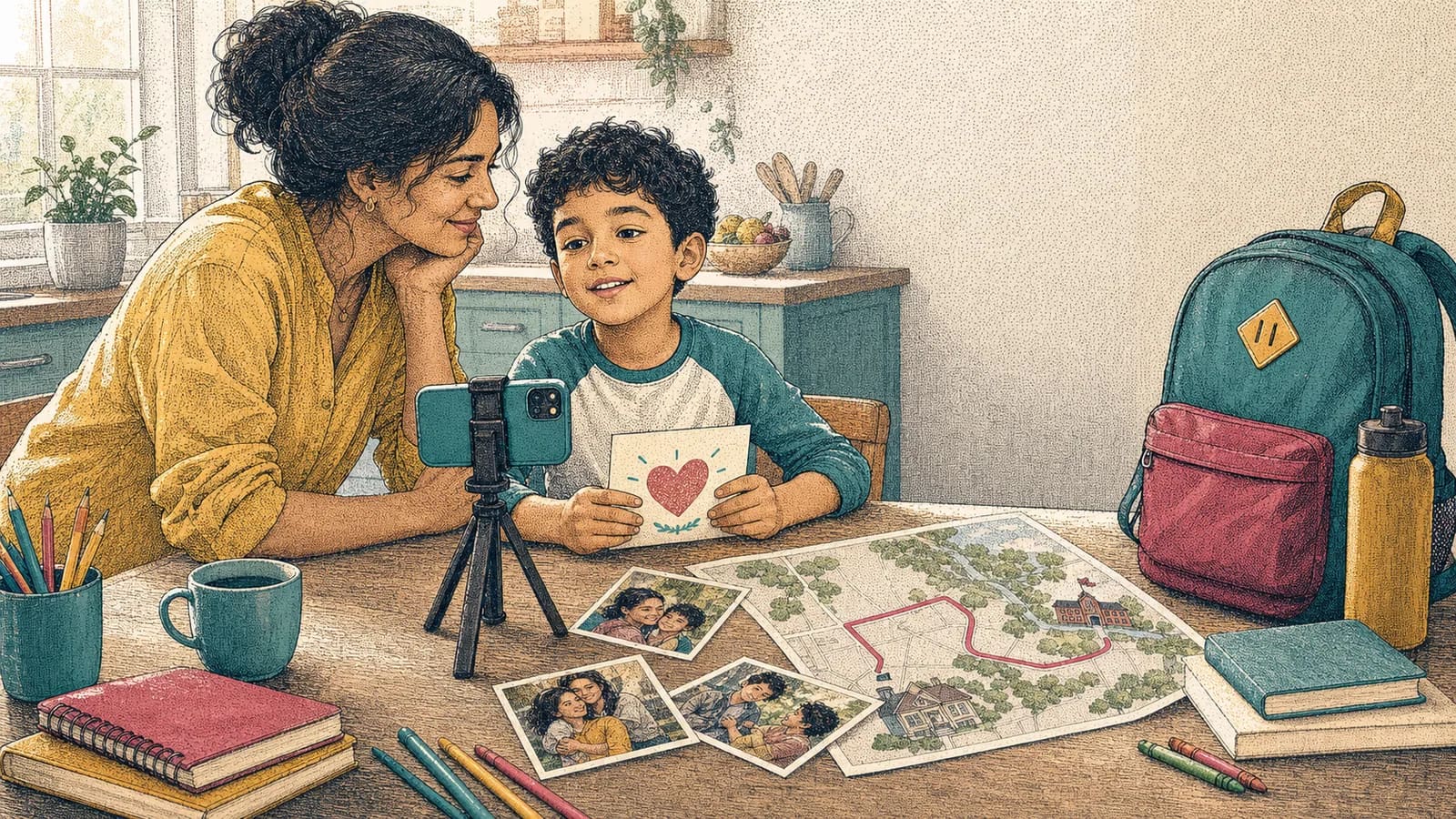
3. Follow the journey. Film a few safe parts of the route, such as leaving home, reaching the school area, or arriving on campus. Avoid showing a house number, daily schedule, or security detail.
4. Ask three quick questions. Try: What are you excited about? What feels new? What do you hope to learn? Short answers usually sound more natural than a prepared speech.
5. Save the after-school reaction. Ask what was surprising, funny, difficult, or kind. This often captures details that the student could not predict that morning.
6. Build a school-supplies story. Let the student choose three items and explain why each one matters. Younger children can show a backpack, book, or drawing instead of speaking for long.
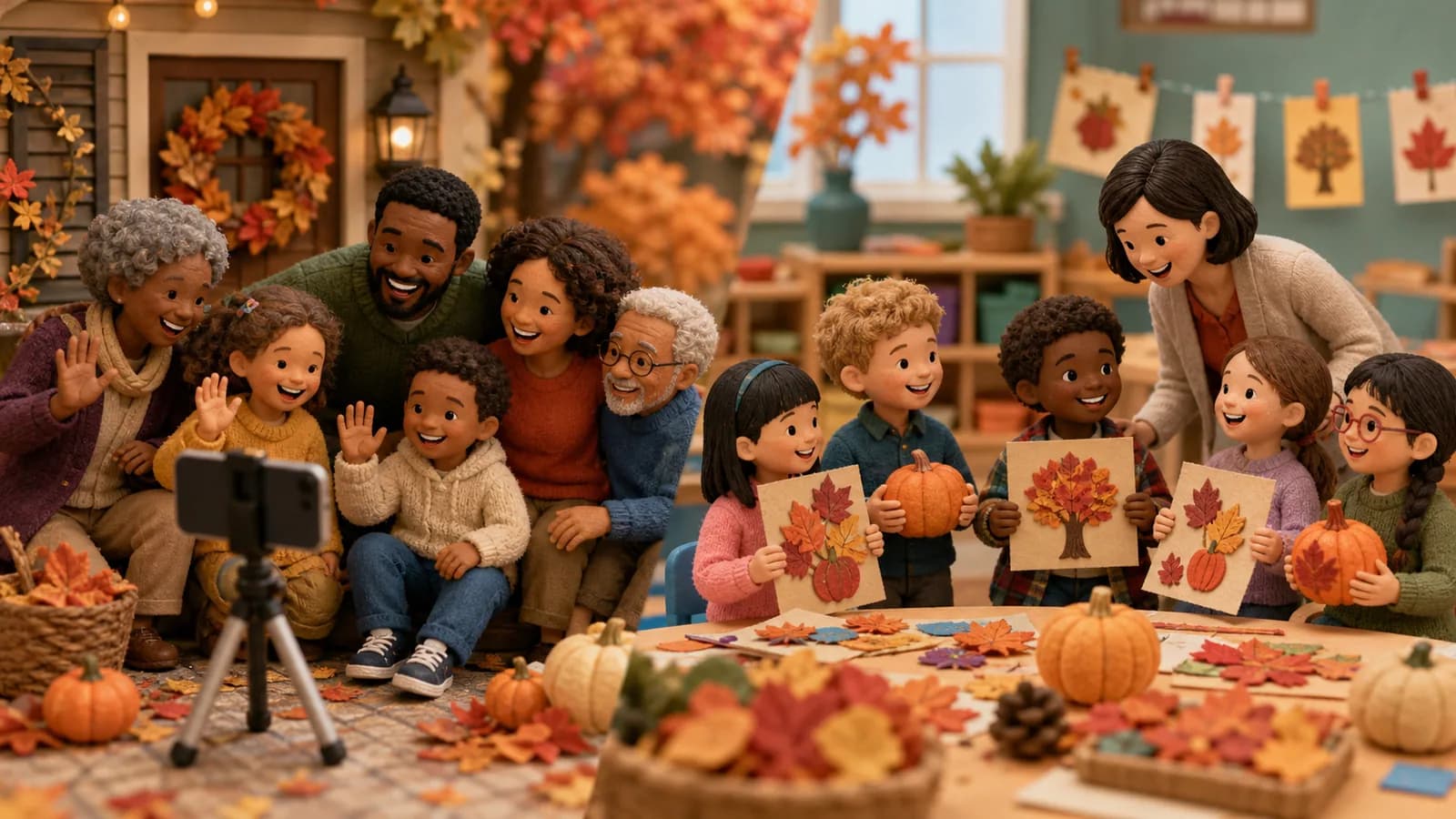
7. Invite family messages. Parents, siblings, grandparents, or distant relatives can add one short wish. Different voices can make a major transition feel supported.
8. Create a favorite-places chapter. Include approved photos from the school, library, sports field, campus, or study spot. Add one sentence about what the student hopes will happen there.
9. Record a message for the future. Ask the student to speak to their end-of-year self. Save the clip and watch it after the final school day.
Plan a Simple Beginning, Middle, and End
A clear order makes a school memory video easier to watch. Begin with the date, grade, and one opening photo. The middle can show the morning, journey, arrival, and first reaction. End with a hope for the year.
A preschool version might begin with shoes and a backpack. It could move to a goodbye wave and finish with a drawing made after school. A college version might follow packing, travel, residence check-in, and a message from home.
Keep each chapter focused. One or two strong clips are better than many repeated shots. If a clip does not add a person, feeling, place, or change, you can leave it out.
Use a Short First-Day Shot List
Make the shot list before the morning becomes busy. Useful choices include the backpack by the door, a wide breakfast scene, shoes being tied, a calendar date, and a goodbye. You can also record the return home.
Hold most shots for five to eight seconds. Keep the phone steady and leave space around the subject. This gives you room to crop the image later.
Do not ask for several takes during an emotional moment. One natural clip usually carries more feeling than a polished version. If the student wants privacy, film hands, supplies, shoes, artwork, or the empty breakfast place instead.
Help Students Speak Without Making It Feel Rehearsed
Ask one question at a time. Give the student a moment to think before recording. Do not correct every pause or imperfect word. Those details often make the memory feel honest.
Offer choices when a broad question feels difficult. Instead of asking, “How do you feel?” ask whether they feel excited, calm, curious, worried, or mixed. Then ask what caused that feeling.
A student can also answer away from the camera. Record a voice note over photos or let them write one line. Older students may prefer filming their own private reflection and choosing what to share.
Invite Other People Without Making the Project Too Large
A family memory does not need dozens of contributors. Choose people who have a close connection to the transition. A grandparent could share encouragement. A sibling could recall their own first day. A friend could send a quick hello.
Give everyone the same limit and deadline. Ask for a clip of 10 to 20 seconds, one photo, or one written message. A clear request reduces repeated lines and missing files.
For a class or school group video, use one organizer and one approved collection method. Explain who will watch the result. Follow the school’s consent and safeguarding rules before collecting student media.
Connect Memories to Meaningful Places
Places can give the story a natural order. The route might begin at home, continue to school, stop at the library or sports field, and end at the after-school pickup point. College stories could include a hometown, campus, residence, and favorite study area.
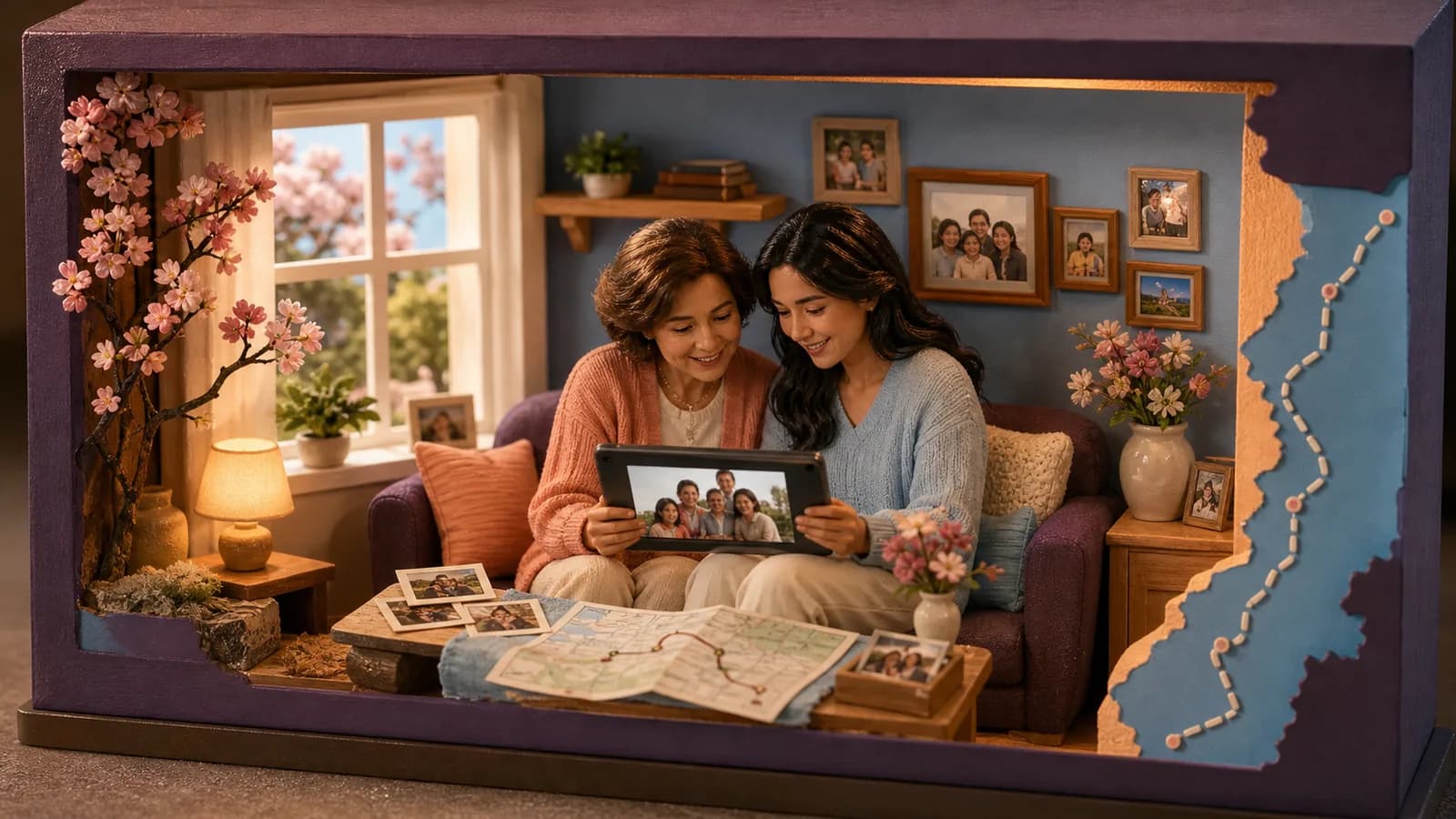
AlbumMap can help when the story includes approved photos, videos, written messages, and several meaningful locations. The map can connect each part without placing clips in a random slideshow.
Use general locations when precise ones would reveal private information. A school name or city may be enough. Do not show a home address, classroom schedule, access route, or place that should remain private.
Film and Edit With Simple Tools
A phone is usually enough for this project. Clean the lens and record near a window or outdoors in soft light. Check that voices are clear before the moment passes.
Choose horizontal or vertical video before filming. Horizontal video often suits television and laptop viewing. Vertical video works well on a phone. Leave space around the person if you may need both formats.
Keep the edit calm. Use short title cards, gentle transitions, and music that does not cover speech. Add captions to spoken clips. Check every name and date before sharing.
Aim for two to four minutes unless the story includes many contributors. A shorter video is easier to finish and revisit. Save the original clips in a clearly named folder before editing.
Protect Student Privacy and Comfort
Decide who will see the finished video before collecting anything. A private family keepsake has different needs from a public social post. Do not assume permission for one audience covers another.
Avoid readable student identification, class lists, schedules, badges, medical details, vehicle plates, and home addresses. Check the background of every clip. School signs and computer screens can reveal more than expected.
Get permission before including another child’s face, voice, artwork, or name. Follow school rules for photos taken on the grounds. When permission is unclear, crop the image or choose another memory.
Let the student change their mind. A child who agreed in the morning may dislike a clip later. Review the video together and remove anything that causes discomfort.
Try This Easy Two-Day Plan
The evening before school, charge the phone and choose five shots. Write three questions and prepare the date card. Ask the student what they want recorded and what should stay private.
On the first morning, capture only the planned moments. Keep the camera away during stress or conflict. Record one thought before leaving, then put the phone down and support the routine.
After school, ask one or two reflection questions. Choose the best clips that evening or during the weekend. Add a title, captions, and a closing line. Save a private copy before deciding whether to share it.
Set a reminder for the final school week. Repeat the questions and compare the answers. The paired clips can turn one seasonal memory into a simple story about growth.
Small Details That Make a School Memory Video Better
Use specific dates, grades, and short labels. Future viewers may not remember which school year a clip came from. A simple opening card can provide enough context.
Mix wide scenes with close details. A view of the morning gives context. A close shot of a name-free notebook, lunch, or hand-drawn picture makes the story personal.
Keep real background sounds when they add meaning. A bus arriving or a campus bell can bring the day back. Lower or remove any sound that reveals private conversation.
Make a backup in a place the family can access later. Use a filename with the year, student’s first name or family label, and event. Avoid placing sensitive personal details in the filename.
Examples You Can Copy
Copy-ready morning questions
Today is [date], and you are starting [grade or program]. What are you most excited about? What feels new today? What is one thing you hope to learn or try?
Copy-ready after-school questions
What was the best part of today? What surprised you? Who helped you feel welcome? What is one thing you want to remember before tomorrow?
Copy-ready message for the end-of-year self
Hi, future me. Today I started [grade or program]. Right now, I feel [feeling]. I hope I learn [skill or subject], try [activity], and become more confident about [goal]. When I watch this later, I hope I remember [first-day detail].
Copy-ready request for relatives
We are making a short first-day memory video for [Name]. Please send a 10- to 20-second message by [date]. You can share one kind wish for the school year or one memory from your own first day. The video will stay within [family or approved audience].
Copy-ready location prompt
Choose one safe, approved place connected to this school year. It could be the school, library, campus, sports field, or general hometown. Add one photo or short clip and finish this sentence: I hope this place becomes part of a good memory because [reason].
Copy-ready closing line
This was the start of [Name’s] [grade or program] year. The day brought [feeling], [new detail], and [favorite moment]. We cannot wait to see what changes by the final school day.
Final Thoughts
The start of school can pass quickly, even when it feels important. Save a few honest details instead of trying to film every moment. One morning answer, one after-school reflection, and several thoughtful shots can become a lasting record of change. When the story includes family messages, photos, clips, and meaningful places, AlbumMap can bring those pieces together as a map-based keepsake. Keep the result simple, private when needed, and true to the student.
Helpful answers
Frequently asked questions
- How long should a first day of school video be?
- Two to four minutes is enough for most family videos. Ask contributors for clips of 10 to 20 seconds. Keep only the moments that add a new feeling, detail, person, or place.
- What should I record on the first day of school?
- Choose a few calm details, such as breakfast, a backpack, shoes, a goodbye, and an after-school reaction. Add one or two short answers about hopes, worries, and favorite moments.
- What if my child does not want to be on camera?
- Respect that choice. Record a voice note, written message, drawing, school supplies, or other details instead. The student can also choose which photos and clips are included.
- Can I include classmates in the video?
- Only when you have the required permission and the school allows it. Do not rely on general event attendance as consent. Crop or replace media when another child’s permission is unclear.
- Should I post a school memory video on social media?
- A private family link is often safer. Before public sharing, review every face, name, badge, sign, location, and conversation. Confirm that all permissions cover public use.
- How can I turn the video into a yearly tradition?
- Use the same three questions and several matching shots each year. Label every video with the date and grade. Over time, the clips will show changes in interests, confidence, routines, and goals.
- When is AlbumMap useful for a school memory?
- AlbumMap is useful when memories connect to several people and places. It can combine approved photos, short clips, written messages, and locations in a map-based story. Use general locations whenever privacy makes an exact place unsuitable.