Introduction
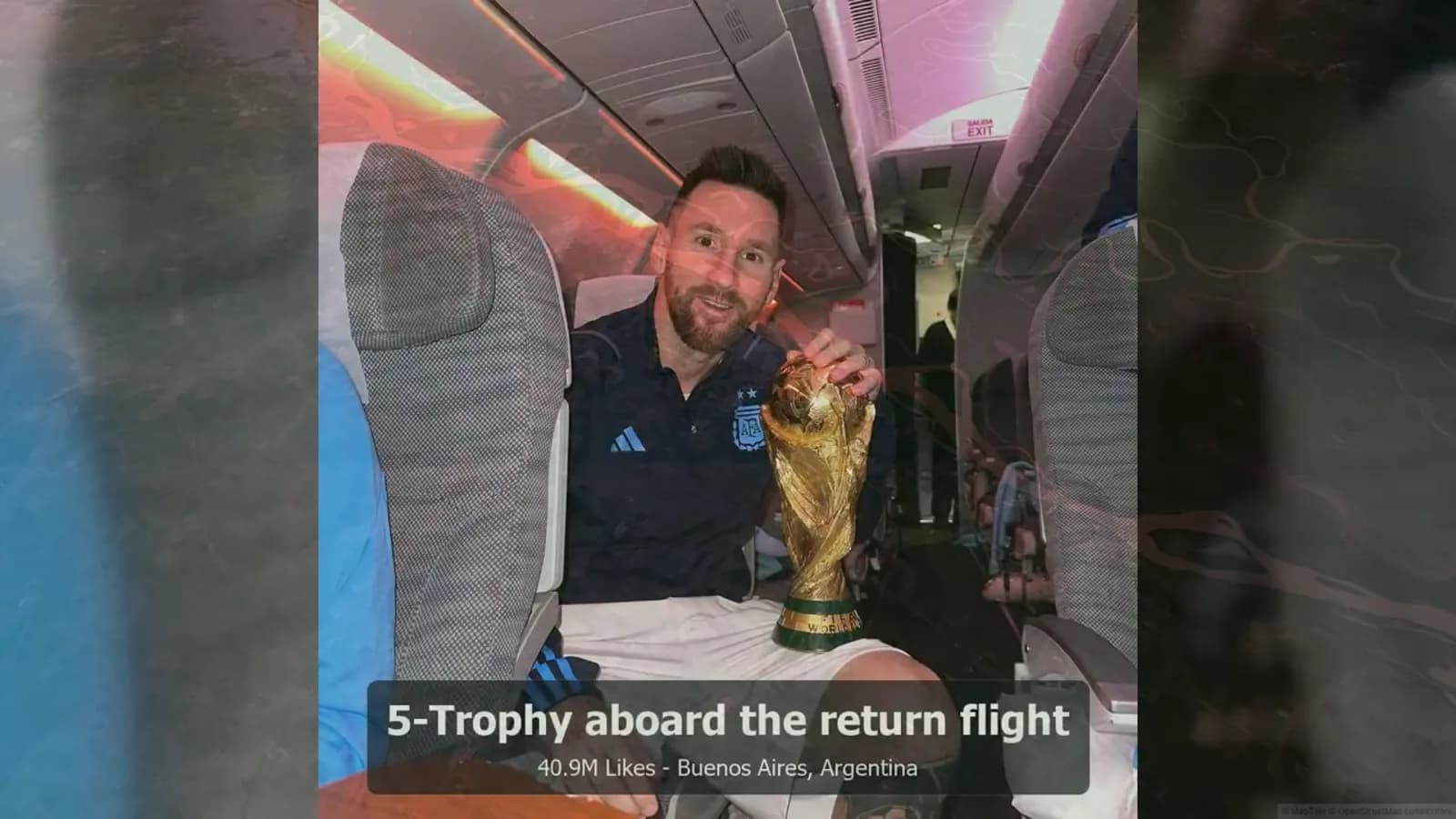
Viral TikTok locations can make a fast-moving set of public posts easier to follow. A map gives each moment a place, a date range, and a source trail. It also shows weak claims fast. This guide uses a 2025 selection. It explains how to map public posts without guessing where a video was made or copying someone else’s media.
Set the date range and map rule first
Start with a fixed window. For this article, use January 1, 2025 through December 31, 2025. A fixed window stops a map from mixing old clips, new reposts, and later updates. If you make a new map, put its start and end dates near the top.
Next, decide what a pin means. It may show where a video was filmed, where an event took place, or the broad place a creator named in public. Those are not always the same. Write one short rule. For example: “Pins show the broad filming place stated in a public post or another public source.”
Do not treat a sound, duet, stitch, or repost as proof of place. A city name may be used for a joke, context, or search reach. If public evidence does not support a place, leave the item off the map or mark it unverified.
How to map viral TikTok locations with public sources
Build a TikTok map from a small evidence log, not from memory. Open the original public post when you can. Record the creator’s displayed name, post URL, posting date, and the words or scenes that support the place. Find a second public source when the place matters to the story. It may be an event host, venue, local news report, or public follow-up from the creator.
Use the safest useful level of detail. A city is often enough for a social-media map. A neighborhood can work when it is public and helps the reader. Do not post a street address, home, school, regular workplace, or live location. When a place is unclear, write “city only,” “broad region,” or “not pinned.”
Add credit beside each item. Readers should see whose public post started the work and which source checked the place. If a source vanishes, remove the row or say what still remains checked. Clear credit is better than a busy map with weak pins.
Use a simple review order
First, collect candidate posts. Keep only public posts in the stated date range. Second, find the original public post instead of a compilation account. Third, note the place evidence and choose a safe place level. Fourth, sort approved rows by date, rank, or region. Say which order you chose in the map caption.
Before you publish, ask three questions. Is this the original public source? Does it support this place? Could this pin expose a private routine or draw attention to a sensitive place? A “no” or “not sure” means the row needs a wider label, better evidence, or removal.
This process also helps when a striking post has no clear place. A blank area is better than an invented pin. The goal is to explain a public moment with care, not to fill every part of a map.
Attributed viral-post location table
The table below is a cautious capture log built only from the supplied first-party AlbumMap video evidence. It does not make up places that the evidence does not name. Before publication, a reviewer must replace each “not verified” entry with a public source URL and a checked, safe location label.
The chapter times show where a named entry appears in the video. They do not prove a real-world location on their own. Keep that difference clear when you map viral video locations.
| Entry in supplied video | Video chapter | Date range | Location status | Attribution record | Publishing action |
|---|---|---|---|---|---|
| Erica Goldstein, Rank 9 | 00:48 | 2025 selection; exact post date not supplied | Not stated in supplied evidence | AlbumMap, “10 Viral TikTok Videos of 2025, Mapped Around the World (with AlbumMap)” | Find an original public post or public source; otherwise do not pin. |
| Jennifer Hudson Show, Rank 7 | 01:36 | 2025 selection; exact post date not supplied | Not stated in supplied evidence | AlbumMap, approved video, supplied chapter evidence | Use only a public source that supports a safe broad location. |
| Taylor Dinelli map transition, Rank 6 | 02:24 | 2025 selection; exact post date not supplied | Not stated in supplied evidence | AlbumMap, approved video, supplied chapter evidence | Do not infer a location from the transition alone. |
| Madelyn Cline, Rank 4 | 03:12 | 2025 selection; exact post date not supplied | Not stated in supplied evidence | AlbumMap, approved video, supplied chapter evidence | Check a public original source; otherwise leave unpinned. |
| Amber and Adam, Rank 3 | 03:36 | 2025 selection; exact post date not supplied | Not stated in supplied evidence | AlbumMap, approved video, supplied chapter evidence | Confirm the public context and location before adding a row. |
Turn a public-post format into a story your group owns
A viral format can spark an idea, but it does not need to be the final project. If friends, classmates, or family have their own photos, short videos, messages, and places, make a map from those approved items. Ask each person for one item they own, one broad place they are happy to share, and one line about why it matters.
AlbumMap helps when separate items need one clear route. Put places in date order, travel order, or a simple story arc. Add a short message at each stop. Keep the project private when the places or memories are personal. This gives a group the energy of a map-led video without using third-party media.
For a public example, use only the official TikTok embed for the post you discuss. Let the creator’s post stay on the platform. Your article can add context, credit, and a safe place label without copying the video file or a screenshot.
Copy-ready examples
Use these lines only after you check the facts and get any needed permission. Replace bracketed text with verified details.
Example map note: “Public post reviewed from [creator’s displayed name], dated [date]. Pin shows [broad city or region], based on [public source]. Exact filming spot is not published.”
Example contributor request: “Please send one photo or short video you own, a city or broad place you are comfortable sharing, and one line about why it matters. Tell us if it is private only.”
Example map caption: “This map covers publicly sourced moments from January 1, 2025 through December 31, 2025. Pins use the broadest accurate place supported by the listed public sources.”
Sources and verification
Last verified for the supplied first-party video evidence: 2026-08-09. The data cutoff for this article’s selection is 2025-12-31. The embedded video presents a stated 2025 selection. It is not a current measure of what is viral.
Before you publish, check every public post URL, embed, date, and place source again. Posts and platform tools can change or disappear. The public source list identifies the AlbumMap video, AlbumMap’s YouTube channel, and AlbumMap’s site. Add post-level sources only after a reviewer confirms them.
Examples You Can Copy
Verified-location note
Public post reviewed from [creator’s displayed name], dated [date]. Pin shows [broad city or region], based on [public source]. Exact filming spot is not published.
Contributor request
Please send one photo or short video you own, a city or broad place you are comfortable sharing, and one line about why it matters. Tell us if it is private only.
Map caption
This map covers publicly sourced moments from January 1, 2025 through December 31, 2025. Pins use the broadest accurate location supported by the listed public sources.
Final Thoughts
A good TikTok map is clear about what it knows and what it does not. Set a date range. Use public sources. Credit the original post. Keep places broad when needed. When you have approved photos, clips, messages, and places from people you know, AlbumMap can turn them into a map video story that is theirs to share. Build it as an animated map video when your locations are confirmed.
Helpful answers
Frequently asked questions
Can I map a TikTok location from a caption alone?
No. A caption can be incomplete, broad, or unrelated to where the video was filmed. Treat it as a lead, then check the place with the original public post or another public source. Use a broad label or no pin if you cannot check it.
Can I reuse a viral TikTok video in my map?
Do not download, repost, or upload another creator’s media. When a public post needs to be referenced, use TikTok’s official embed option and follow the platform’s current rules. A private map video should use media you own or have permission to use.
What date range should a viral TikTok map use?
State a fixed start and end date before you collect posts. This draft uses January 1, 2025 through December 31, 2025 because the approved video is a stated 2025 selection. Use another clear range if your project needs one.
How can I keep a public social-media map safer?
Use the broadest accurate place that tells the story. Avoid homes, schools, regular workplaces, live locations, and details that reveal a person’s routine. Remove a row when the public value does not outweigh the privacy risk.