Introduction
Responsible location reporting means sharing a useful, true story without making a trail that others can use to find someone. This rule matters for news rooms, brands, and creators. A place may be open to the public but still need care. The date, the level of detail, and clues in a photo can raise risk. Start with four steps: report a past public event, check the facts, cut private details, and fix errors in plain view. This guide gives teams a simple way to handle maps, posts, captions, videos, and timelines.
What responsible location reporting covers
A location claim is more than a pin on a map. A caption, photo, route line, tag, or set of posts can show where a person is. A few small facts can become risky when put together.
This page is for reporters, social teams, brand leads, group admins, and creators. It also applies when the story names a well-known person. Public interest is not a pass to share a home, a private visit, a place to stay, a family habit, or a live trip.
Ask two things each time. Is the place public? Is it safe to name it in this story now? A stadium, airport, campus, or event site may be public. The time, access, consent, and risk of harm still shape the choice.
This is a policy page, not a sports-story guide. A sports timeline can show a finished public event. It cannot replace the checks for approval, delay, correction, and risk set out here.
Check the place before you post
Check public places before you name them. When you can, use more than one sound sign. Start with an official venue, event host, team, public body, or first-party event post. Match the date, place name, and what was happening.
Save the link and the day you checked it. A second sound source can help when the claim matters or the first source is thin. Keep a note of what each source proves.
Do not treat one repost, rumor page, fan image, or map tag as proof. If you cannot check the claim, leave it out. It is better to say nothing than to state a guess as a fact.
Then run a safety check. Is the event over? Does the post point to a home or a usual route? Could it help someone find the person now? Pause and ask an editor when the answer is not clear.
Draw a firm line between public and private
You may name a public place when it fits the story, the facts support it, and the event has ended. This can include a named event venue, a training site during a public visit, or an airport after a well-known trip is done. Keep the detail no larger than the story needs.
Do not name a private home, home address, hotel room, school pick-up site, health site, closed meeting place, or a person’s current route. Do not join small clues that point to one of those places. A photo may need a crop. A caption may need broad terms. A map stop may need to go.
Use the same rule for public figures. Fame does not end a person’s need for safety. Cover the public event. Do not fill in the private life around it.
When in doubt, tell the event story without the place. A good story can work with less detail.
Wait when time adds risk
A late post can still be worth reading. If a place is current or an event is still going on, wait. Post only when the event is over and the person is no longer tied to that place in a way that adds risk.
There is no one safe wait time for all cases. Use more care with travel, children, health, grief, threats, and people who face abuse. Do not post a count down, a live route, a next-stop hint, or a travel plan.
Do not turn public reports into a guess about where a person will go next. A set of old posts can still be unsafe if it shows a pattern others can use.
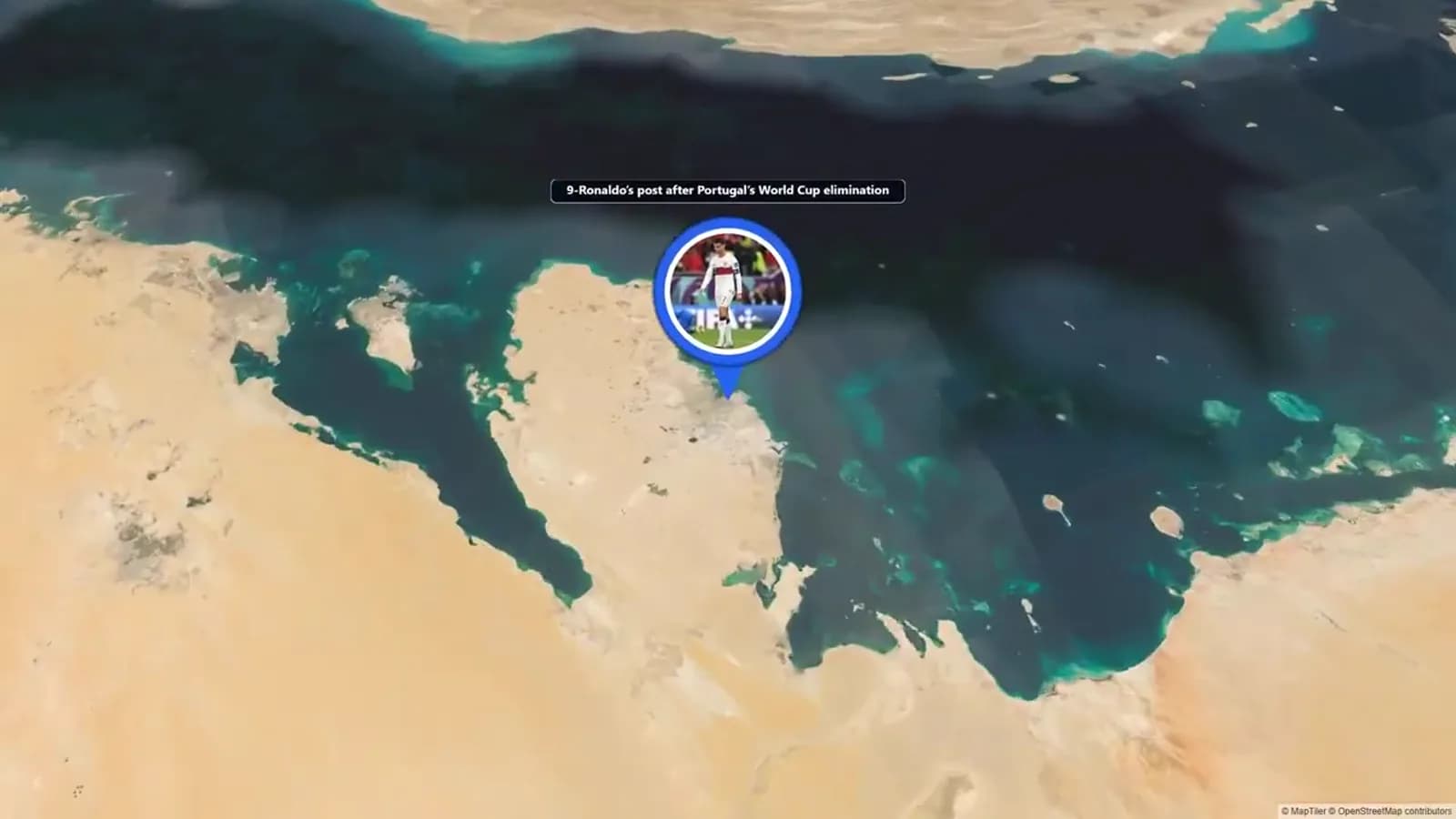
A finished timeline is different. It looks back. It names only checked public stops. It does not add hidden facts. The AlbumMap video is a sports example of that kind of finished story, not a model for tracking a person.
Set a clear approval path
Give one editor or lead the last say on hard calls. The person who makes a post should not have to judge a safety risk alone. Make a short path for cases that are unclear or urgent.
Send cases up for review when they involve a child, a threat, a clue about private land, a legal issue, or a request to take something down. Say who will decide and how fast they must reply.
Keep a short record for each place claim. Note the source, date checked, public or private choice, any wait used, reviewer, and edits. This makes a fix faster. It also helps the team make like calls the same way.
When people send photos, clips, notes, or map ideas, ask if the team may use them. Look for house signs, car plates, names, map data, and clues in the back of an image. Cut anything the story does not need.
Fix errors without adding harm
If a place is wrong, too exact, or unsafe, act fast. Remove or change the risky part first. Then add a short note that says what changed without restating the private fact.
Do not repeat the bad detail in a correction note, post text, image label, or new graphic. If the site lets you swap media, change the image and map as well as the words.
A clear note can be short. State the date, the high-level change, and why you made it. Tell partners or contributors if they may have shared the old post.
A fix does not mean all place stories are bad. It shows that the team can learn and act. Trust grows when teams correct the record and do not spread the removed detail again.
Make map stories from approved past memories
Maps can add heart to a story about shared memories. Think of a team season, a reunion, an anniversary, or a finished event recap. Ask for approved photos, short clips, notes, and places that help tell the memory.
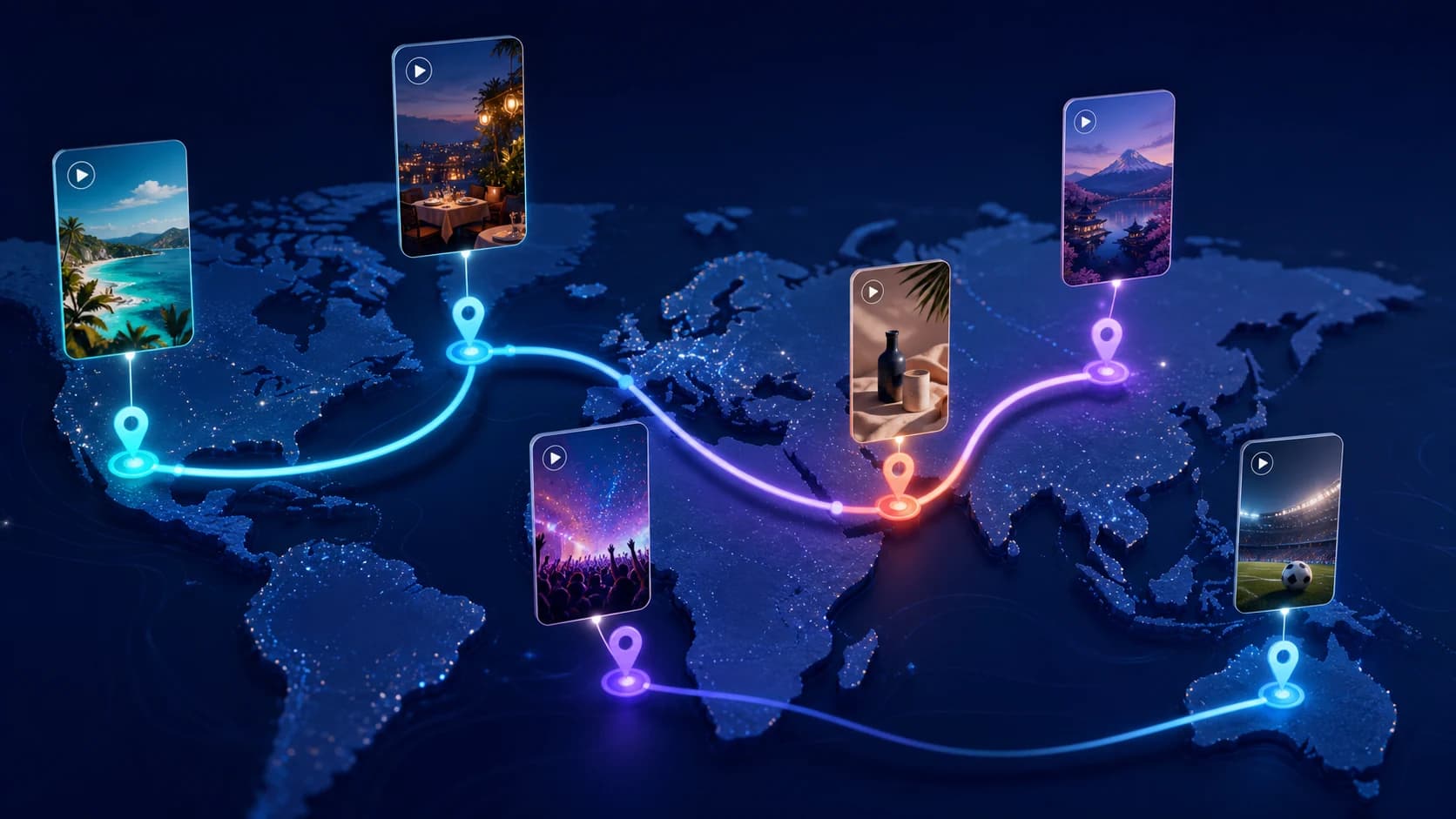
AlbumMap can turn those cleared items into an animated map video. Use broad stops that have meaning in the finished story. Put them in an order that looks back on the event. Do not use a private home, a live trip, or private movement.
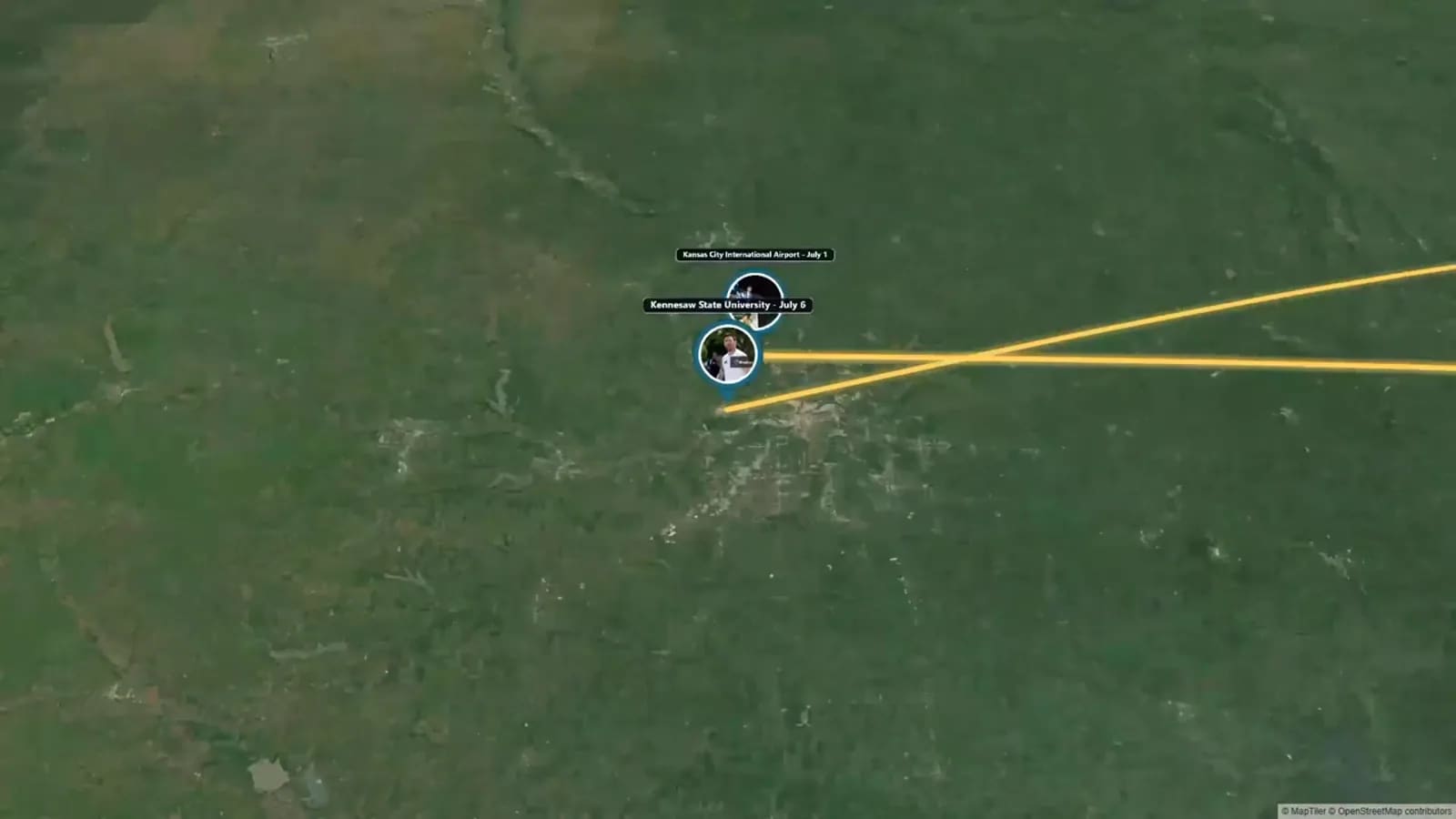
The supplied Messi video is a useful sports example. Each stop is a named public venue or travel point with a visible date in a finished June 29 to July 6 sequence. It shows how a complete public story can stay within a set scope.
That example does not stand in for this wider rule set. Publishers, brands, and creators still need to check sources, get approval, delay risky posts, make corrections, and send hard cases to a lead.
Location Reporting Decision Checklist
Use this checklist before each post, edit, repost, map export, or video. One “Stop” answer means do not publish until an editor has dealt with the issue.
For high-risk content, the best choice may be to remove the place. A useful story does not need every fact you can find.
| Check | Ask | Pass looks like | If not |
|---|---|---|---|
| Public place | Is the named place a public venue or official event setting? | A public venue is relevant to the completed story. | Remove the location or escalate. |
| Reliable evidence | Can we verify the public place and date with a first-party or other reliable source? | The claim matches saved source links and context. | Do not publish a guess. |
| Timing | Has the event ended, with no meaningful real-time risk? | The story is clearly retrospective. | Delay or remove the post. |
| Private details | Does any text, image, map, or sequence point to a home, lodging, routine, or private movement? | No private residence, route, schedule, or identifying clue appears. | Edit, crop, generalize, or remove. |
| Consent and rights | Do we have permission or a lawful basis to use submitted media and messages? | Approved material is documented and reviewed. | Hold the asset and ask. |
| Safety review | Could the combined details make someone easier to locate or harass? | The story remains useful without enabling tracking. | Escalate to an editor or safety lead. |
| Correction plan | Can we quickly change the text, map, image, and repost if needed? | An owner and correction path are known. | Assign an owner before publishing. |
Sources and verification
Last verified: 2026-08-10. Information cutoff: 2026-08-10. This is a working editorial rule, not legal advice. Check the public sources listed with this page. Update the rule when platform terms, laws, or safety needs change.
The source list supports the privacy and place-check ideas in this guide. The AlbumMap video facts and chapters come from the verified first-party evidence supplied for this page.
Examples You Can Copy
Copy-ready verification note
Location checked as a public event venue through the event host’s page and the venue’s official listing on 2026-08-10. The event ended before this post. No private or live details are included.
Copy-ready delayed caption
This is a look back at last week’s finished community event. We used approved photos and the public venue name. We left out travel details and private places.
Copy-ready correction note
Correction, 2026-08-10: We removed a location detail that was too exact. This post now names only the finished public event venue. We regret the error.
Final Thoughts
Good location work is careful, not vague. Check the public facts. Share events after they end. Guard private life. Fix mistakes without repeating the harm. This gives people a full story while showing care for the people in it. When a story is finished and its places are public record, AlbumMap can turn the photos, clips, and locations into an animated map video without implying a live trail.
Helpful answers
Frequently asked questions
Can I report a public location if the person is a public figure?
Sometimes. Use the same safety test. Report a checked, relevant public event after it ends. Do not share homes, places to stay, live moves, routes, or clues that help people find the person now.
How long should I delay a location post?
There is no set number for all posts. Wait until the event ends and the post no longer adds a real-time safety risk. Use more care with travel, children, sensitive events, and people who face abuse.
What counts as enough evidence to verify a public location?
Start with an official venue, host, team, public body, or first-party event source. Check the date and story context. When you can, use a second sound source. Do not rely on one rumor, repost, or unverified tag.
What should I do if a location in a published post is wrong or too specific?
Edit or remove it at once, including linked maps and images. Add a short correction that explains the change without repeating the private or harmful fact. Tell key partners when needed.
Can a map-based video include locations?
Yes, when places are approved, useful, and part of a finished story. Use past public stops or shared memories. Never use a map to show a private home, current movement, or a route that someone could follow live.