Introduction
Looking for sports YouTube video ideas that feel fresh without chasing every score or copying highlight clips? Start with a place that helps tell a finished story. A stadium, host city, hometown field, museum, or fan road trip can give a video a clear path. The key is simple: use public locations and past events that you can explain well. Do not use private, live, or unverified location details. Location storytelling works for a local club, a big tournament, a favorite player, or a group of friends who travelled together.
It gives viewers a reason to keep watching: they can see where the story begins, where it changes, and where it ends.
What makes a sports location story work
Choose one question your video will answer. It might be: Which public venues shaped this rivalry? How did a tournament move from city to city? Where did our fan group make its best memories? A focused question makes the map useful instead of decorative.
Then set a time boundary. Cover a finished season, tournament, road trip, career chapter, or historic era. Name public venues and cities only when they help the story. If a stop cannot be checked or does not add meaning, leave it out.
You do not need a huge production. A simple route, a few captions, licensed or original visuals, and clear narration can carry the idea. The map should show movement or change, not just list places.
Twenty-Idea Sports Content Matrix
Use this matrix to choose a format. Each row gives you a public-location angle and a hook you can adapt. Pick one idea, then collect only the facts and media you have permission to use.
| No. | Format | Public-location angle | Copy-ready hook |
|---|---|---|---|
| 1 | Team season route | Map home ground and selected public away venues after the season. | “How [team]’s season moved from [venue] to [venue].” |
| 2 | Cup-run map | Follow a completed knockout run by round and venue. | “Six rounds, six public stops, one cup story.” |
| 3 | Rivalry grounds | Compare the two historic home venues and neutral sites. | “The places that made [rivalry] feel bigger than one match.” |
| 4 | Stadium change | Show the public path from an old ground to a new stadium. | “What changed when [team] moved across town?” |
| 5 | Local club origin | Visit public fields, courts, or rinks tied to a club’s early years. | “The public places where [club] got its start.” |
| 6 | Player hometown story | Use only well-documented public schools, clubs, or venues. | “From [public venue] to the big stage: a verified early path.” |
| 7 | Player milestone map | Link completed public milestone events in date order. | “Five public milestones in [player]’s career.” |
| 8 | Comeback route | Explain a finished return through public games or events. | “The public stops in a comeback season.” |
| 9 | Tournament host-city guide | Show completed host cities and venue context. | “A map of [tournament] from opening city to final city.” |
| 10 | Away-day diary | Recap a finished fan trip using broad public stops. | “Our [team] away-day route, told after the final whistle.” |
| 11 | Road-to-the-final | Map a completed tournament path by match location. | “The route from group stage to final.” |
| 12 | Historic venue tour | Explain why five public venues matter to a sport. | “Five places every [sport] history fan should know.” |
| 13 | Olympic or multi-sport legacy | Connect former public competition sites to lasting stories. | “What remains after the games left town?” |
| 14 | Football derby day history | Use public grounds and verified historic context. | “Two grounds, one derby, and the history between them.” |
| 15 | Supporter culture map | Show public murals, museums, fan zones, and venues with care. | “A respectful guide to the public places around [club] culture.” |
| 16 | Youth team season recap | Map approved public fields after the season ends. | “Our team’s season, one shared memory at a time.” |
| 17 | Charity sports event route | Follow a completed public fun run, ride, or tournament. | “The route, the cause, and the people who showed up.” |
| 18 | Sports museum mini-doc | Use a museum and nearby public landmarks as chapters. | “What this museum teaches about [sport] in one afternoon.” |
| 19 | Then-and-now venue story | Compare archive images with current public views, where allowed. | “How [venue] changed while its story stayed.” |
| 20 | Group memory map video | Collect approved group media tied to public event stops. | “Our finished sports journey, made from the moments we shared.” |
How to choose the right idea
For teams, start with a season, a tournament, or a home-ground story. For players, start with public milestones that are already documented. For historic venues, explain why the venue matters before showing it on a map.
For football content ideas, avoid making a long list of clips your viewer has already seen. A route can add context: a rivalry’s two grounds, a cup run’s away cities, or a supporter’s matchday journey. Keep game footage out unless you have rights or a defensible, properly reviewed use.
For fan projects, the best source material may be your own. Ask each person for one photo, one short clip, one line of text, and one public place that mattered. This gives the video a human reason to exist.
Build a simple location-based episode
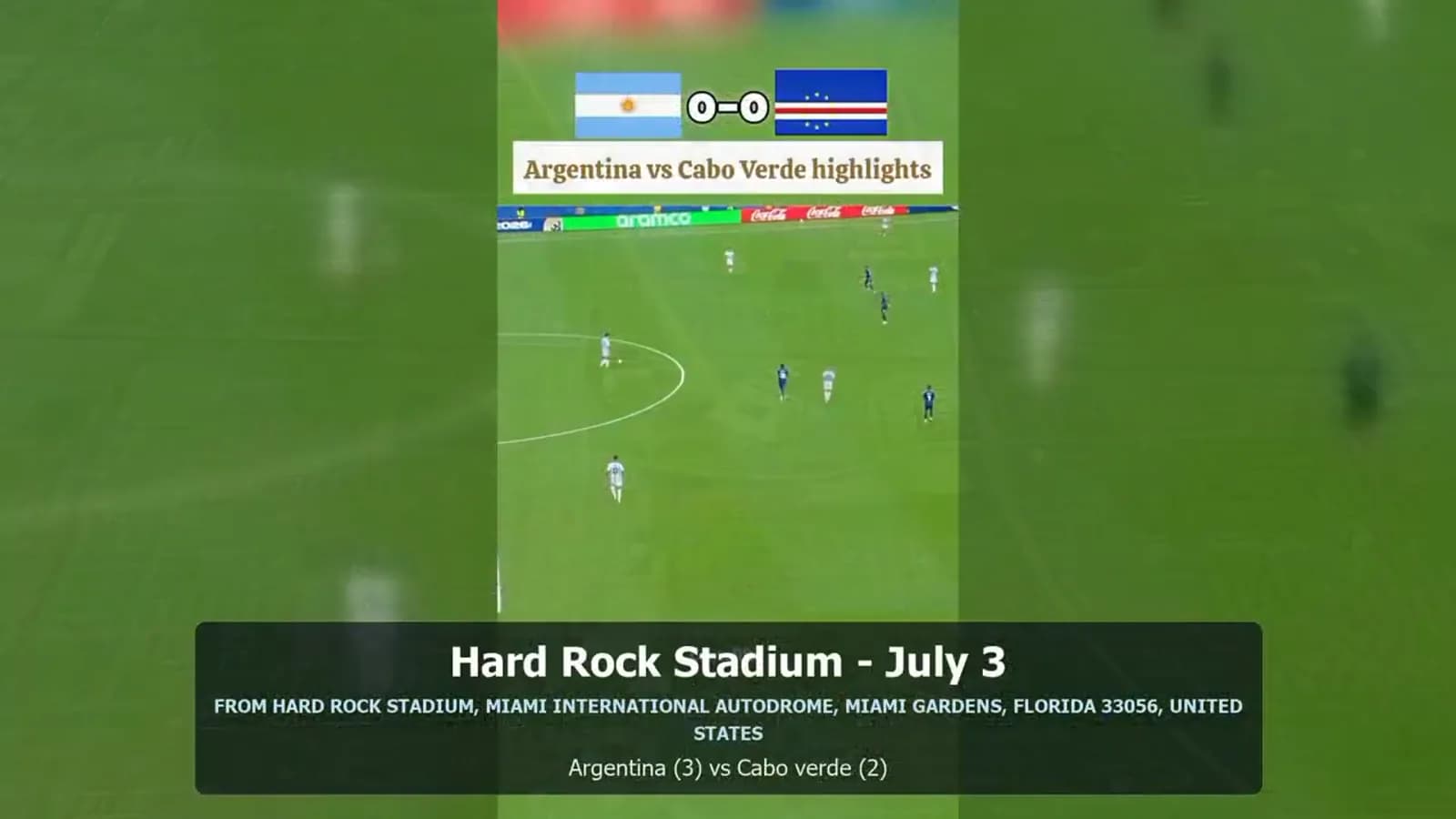
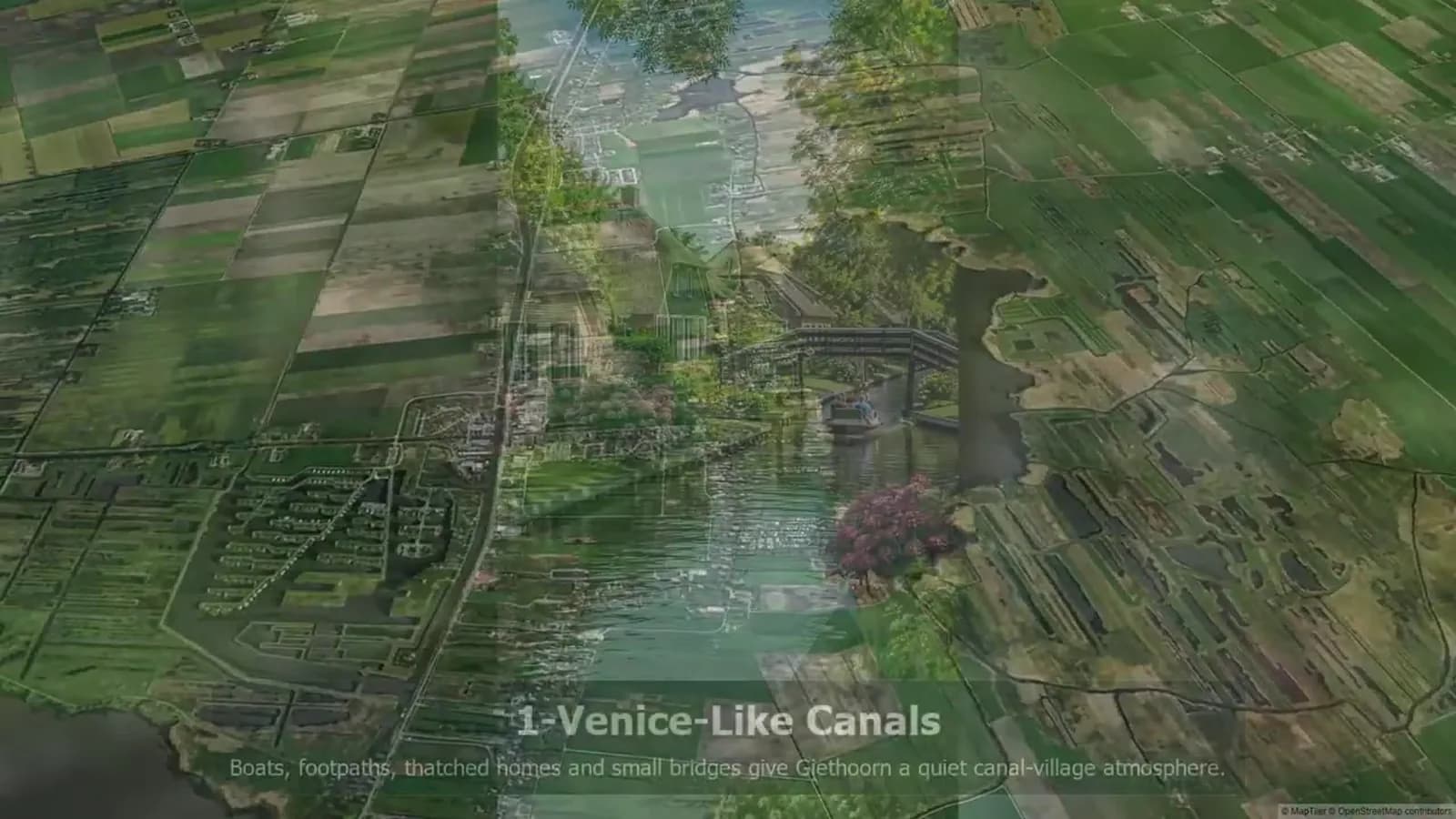
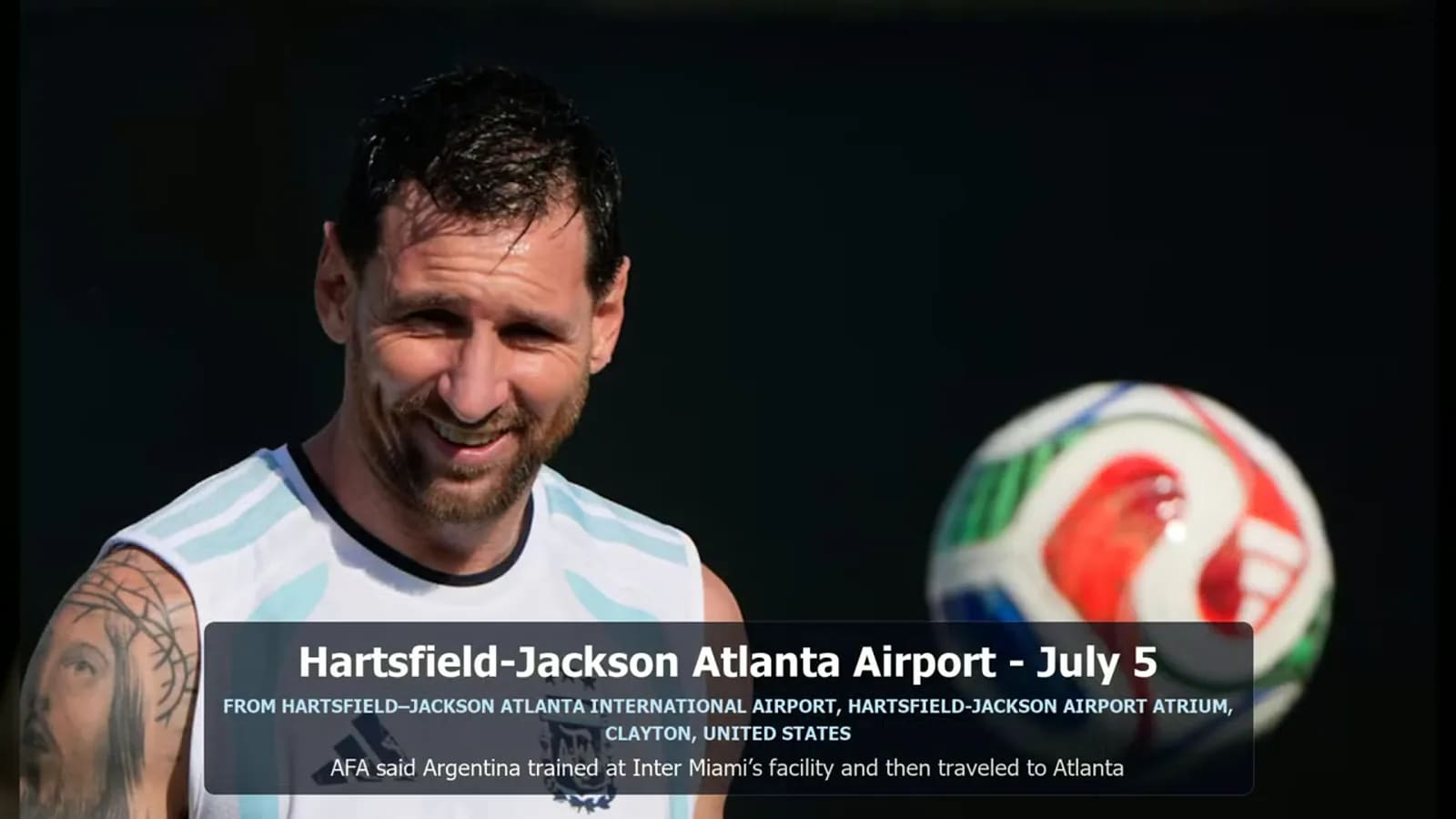
Start with a five-second promise. Say what the viewer will follow and where the route ends. Next, add three to seven stops in a clear order. At each stop, show the place name, the date or era when helpful, and one detail that moves the story forward.
Use one transition rule throughout. You might move by date, by distance, by round of a tournament, or by a player’s career stage. Repeat that rule in the captions, so viewers never have to guess why the map moved.
End with a recap. Show the full completed route, then return to the point of the video. A good ending may be a final score, a lesson from the journey, a fan memory, or a question that invites viewers to share their own public-place story.
Copy-ready examples
These examples are starting points, not facts to claim without checking. Replace bracketed words with verified, public details and use media you own or have permission to publish.
Example 1: “This is the public-venue route behind [team]’s [season or tournament]. We begin at [venue] and finish at [venue], with one turning point at every stop.”
Example 2: “Our group travelled to [number] public match locations over [time period]. This map is a look back at the photos, messages, and moments we chose to share.”
Example 3: “Why does [historic venue] still matter? Follow five public places that explain its role in [sport or team] history.”
When AlbumMap adds something useful
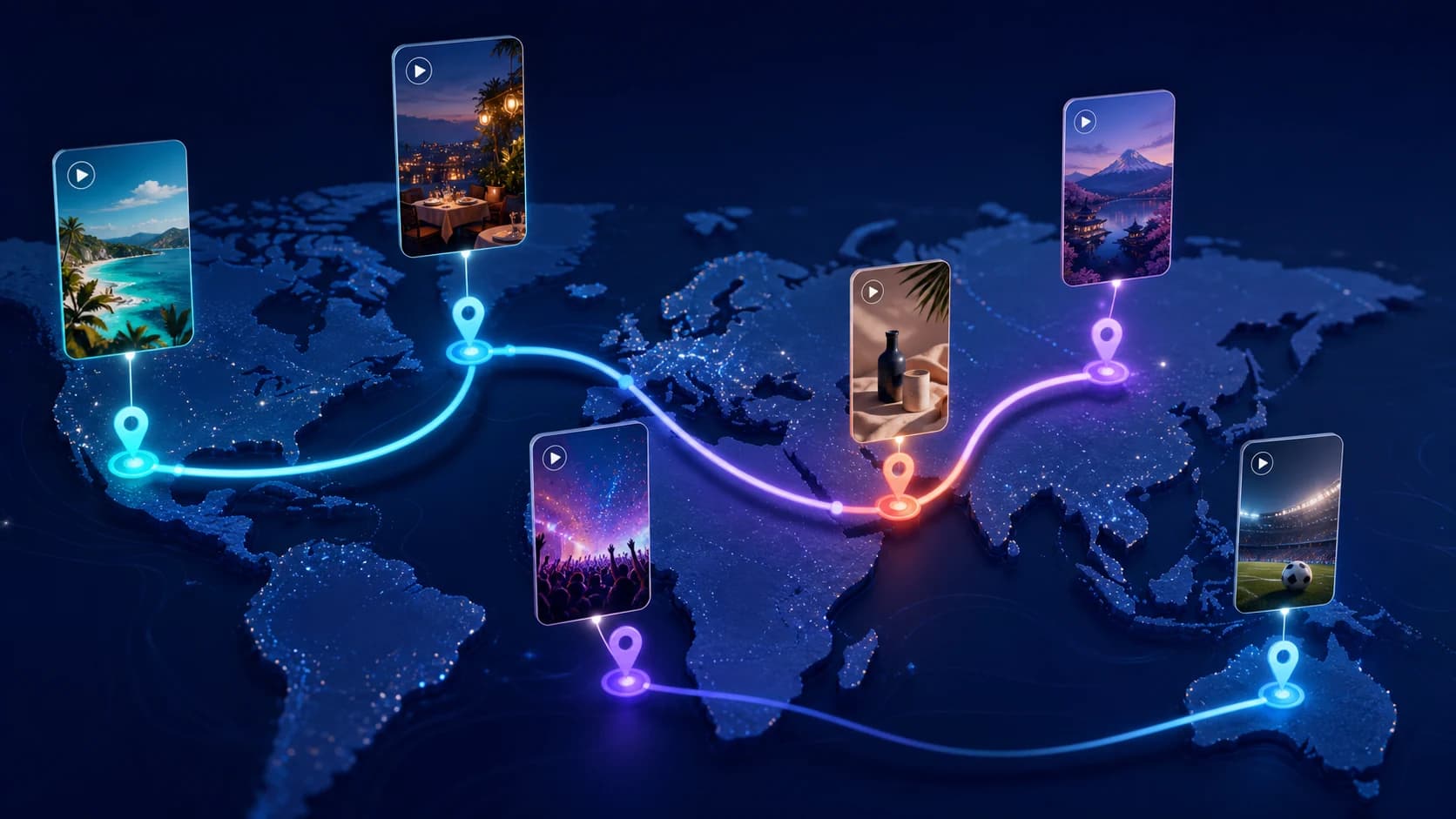
Some sports stories are better when more than one person can contribute. A youth team’s season, an alumni reunion, a charity run, or a fan trip may have photos and clips scattered across many phones. AlbumMap can help a group bring together shared photos, short videos, written messages, and meaningful public locations in one map-led story.
Keep the request narrow. Ask each contributor for one approved item and one short note about a public venue, city, or event. Review permissions before adding anything. If children appear, get the right consent and avoid personal details, home locations, or routine travel information.
A quick ethics and rights check
Use public, past, and relevant locations. A stadium, official host city, museum, public training venue, or clearly documented event site can be useful context. Do not post live routes, future movements, private residences, hotels, private facilities, or details that could make someone easier to find.
A map does not remove copyright rules. Match broadcasts, photos, logos, music, interviews, and social posts may need permission or a licence. When in doubt, use your own material, official assets you are allowed to use, or a short written description instead.
Be careful with players and fans. Do not turn public reporting into a tracking project. A respectful video explains a completed story; it does not invite viewers to follow someone in real time.
Examples You Can Copy
Team route hook
“Five public venues, one cup run: here is how [team] moved through [tournament] from the opening round to the final.”
Historic venue hook
“Before the new arena, this public ground shaped [team] history. Follow the places that explain why fans still talk about it.”
Fan journey hook
“We turned our finished [event] weekend into a map story with the photos, clips, and messages our group chose to share.”
Final Thoughts
The best sports map videos are not about following people. They are about explaining a finished story with care. Choose a public place, confirm the facts, use media you have a right to share, and give each stop a job. If your story belongs to a whole group, collect the memories people want included and build a route that lets everyone see the journey clearly.
Helpful answers
Frequently asked questions
What are good sports YouTube video ideas that do not need game footage?
Try venue history, a completed tournament route, a team season recap, a fan road trip, a sports museum visit, or a player milestone story. Use your own visuals, licensed material, and clear narration.
Can I make football content ideas with location storytelling?
Yes. A derby-ground history, an away-day recap after the event, a completed cup-run map, or a public-venue guide can give football content a clear structure. Avoid live movements, private places, and unlicensed match clips.
Are sports map videos safe to make?
They can be when they cover completed events and broadly named public locations. Do not use live or future routes, homes, hotels, private facilities, or information that could help someone locate a person.
When should I use AlbumMap for a sports story?
Use AlbumMap when a group has approved photos, videos, messages, and public event locations that belong in one shared recap, such as a team season, fan trip, alumni event, or charity sports day.