How to Collect and Share Photos From a Family Reunion
Family reunion photo sharing can become messy within hours. One cousin sends pictures by text. Another posts them in a group chat. Someone promises to email a large folder later. By the next week, the best photos are spread across many phones. A simple collection plan prevents that problem. Give everyone one place to upload, explain what to share, and set a clear deadline. You will receive more useful pictures and spend less time chasing files. This guide covers what to do before, during, and after the reunion. It also explains how to protect privacy and preserve the stories behind the photos.
Decide what you want to create after the reunion
Start with the final result. Do you want a private gallery, a downloadable archive, a printed book, or a family video? Your choice will shape what you ask relatives to submit.
A gallery needs a broad mix of candid and group photos. A printed album needs clear, high-quality images. A family-history project also needs names, dates, places, and short stories. A video becomes stronger when people add brief clips and written messages.
You can create more than one result from the same collection. Still, name one main goal in your invitation. A clear goal helps relatives understand why their contributions matter.
For example, tell everyone that you plan to create a shared album after the reunion. You can also explain that selected memories may become a family keepsake. This gives the project a purpose without making it feel complicated.
Use one family reunion photo sharing plan
Choose one main upload location before sending invitations. It might be a shared family photo album, an event gallery, or another private collection tool. The best choice is the one most relatives can use without help.
Test the full process on two different phones. Ask another person to open the link, upload a photo, and view the result. If possible, test both an iPhone and an Android device. This catches access problems before the reunion.
Write down who owns the collection and who can help manage it. One person can watch for upload problems. Another can answer questions during the event. Shared responsibility keeps the organizer from becoming the family help desk.
Avoid collecting the same event through several main channels. A backup contact method is helpful, but it should not become a second album. When photos arrive by text or email, move them into the main collection.
Choose a photo collection method that fits your family
Look beyond storage size. Consider whether contributors need an account or an app. Check whether the tool accepts videos and keeps the original image quality. Review its download, privacy, moderation, and access settings.
A simple link is useful before and after the event. A QR code is helpful at the reunion because guests can scan it from a sign. Use both when possible, but make sure they lead to the same collection.
Think about the least confident phone user in your family. If that person can upload a picture without a long setup, other relatives will probably manage too. Clear access often matters more than extra features.
Also check how long the files will remain available. Downloading your own archive is safer than treating any online gallery as the only copy. Storage services and family needs can change over time.
Set up the collection before anyone arrives
Create the album several days before the reunion. Give it a clear name, such as “Nguyen Family Reunion 2026.” Add a cover image that relatives will recognize. A family home, past group photo, or reunion logo can work.
Set the viewing and upload permissions before sharing the link. Decide whether new photos appear at once or wait for approval. Moderation can be helpful when many children attend or when the gallery will be shown during the event.
Add a short welcome note. Tell people what they can upload, whether videos are welcome, and when submissions close. Include a contact name for anyone who needs help.
Invite relatives early enough to test the link. Ask a few people to add older family photos before the event. Their uploads will confirm that the collection works and make the gallery feel active.
Ask for more than posed group pictures
A complete family reunion photo album needs different viewpoints. Ask for arrivals, greetings, meals, games, performances, quiet conversations, and people helping behind the scenes. These moments often explain what the reunion felt like.
Create a short photo list, but do not turn the day into an assignment. Useful prompts include each family branch, several generations together, the planning team, the venue, old family objects, and relatives recreating an older picture.
Invite short video clips too. A greeting, family song, recipe explanation, or ten-second view of the gathering adds sound and movement. Ask people to keep clips steady and short.
Remember the details around the people. Photograph handwritten recipe cards, name tags, reunion shirts, table displays, and meaningful places. These small items may carry strong memories later.
Make uploading easy during the reunion
Place the QR code where people naturally pause. Good locations include the welcome table, meal tables, photo area, and printed program. Add one short instruction beside it, such as “Scan to add your reunion photos.”
Announce the collection once near the start of the gathering. Give a second reminder before people leave. Repeated announcements can feel like pressure, so keep each reminder brief and friendly.
Ask two or three relatives to upload early. When others see photos appearing, they understand the process. Early uploads also show whether the venue has weak mobile service.
If the internet connection is poor, tell guests to save the link and upload from home. Do not let a weak signal stop them from taking pictures. The collection can continue after the reunion.
Include relatives who could not attend
A reunion collection can include more than people at the venue. Send the upload link to relatives who live far away or could not travel. Invite them to add an older photo, a greeting, or a short family update.
Give them a specific prompt. Ask for a favorite reunion memory, a picture connected to the family hometown, or a message for younger relatives. A focused question is easier to answer than “Send us something.”
You can also display a few remote messages during the gathering. This helps absent relatives feel included. Ask for permission before showing or resharing any personal contribution.
After the event, send them the finished private collection. They may recognize people or places that others cannot identify. Their knowledge can improve captions and preserve missing parts of the family story.
Keep names, dates, places, and stories with the files
Photos become harder to understand as years pass. Ask contributors to add basic details when they know them. Useful details include names, relationships, the location, the year, and one sentence about what happened.
Do not demand a long caption for every picture. That creates too much work. Instead, flag the most meaningful images and ask relatives to help identify them.
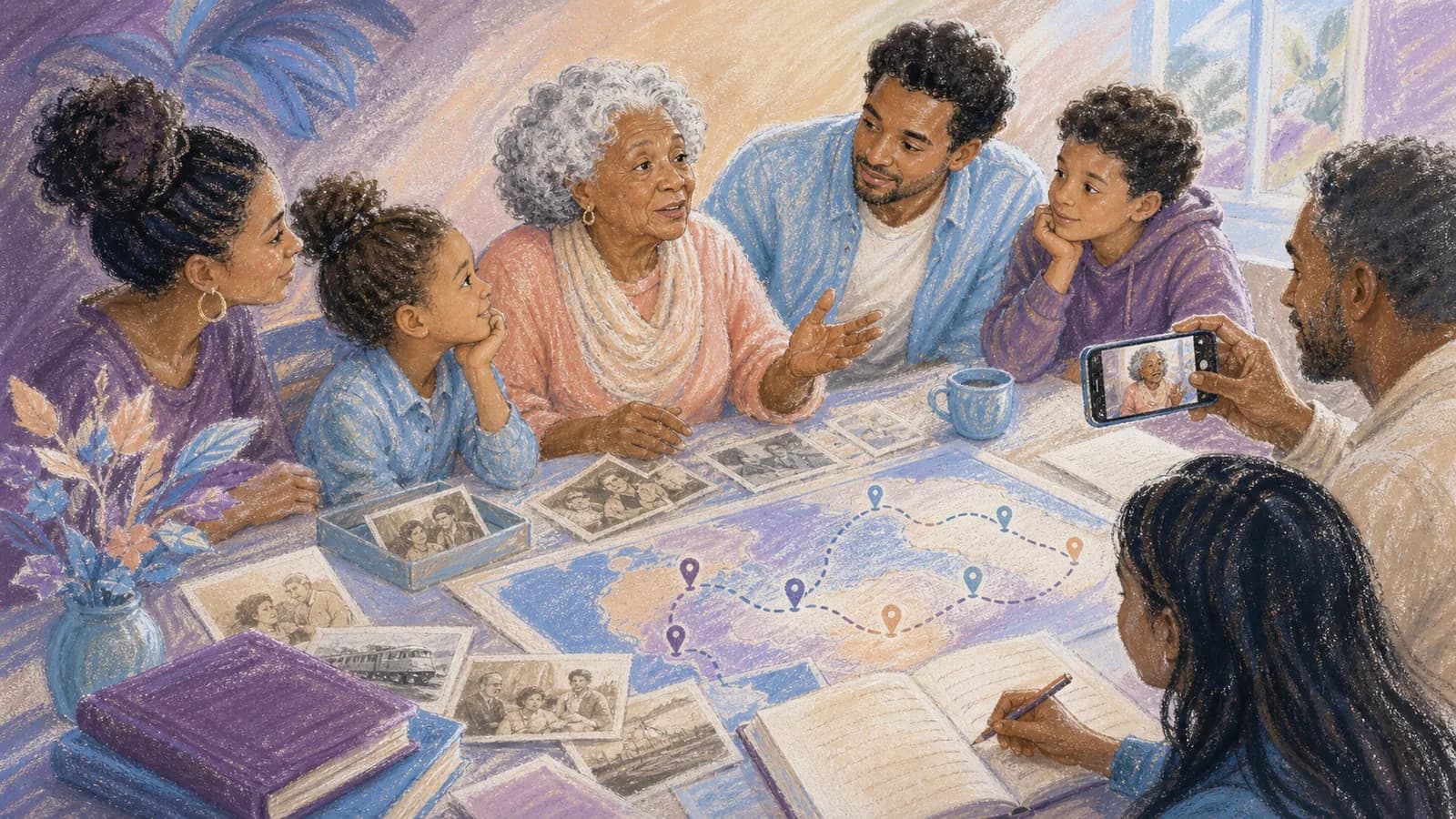
Create a folder for unknown older photos. Review it with senior relatives while they are together. Record their answers in notes or short voice clips, then add the details to the archive.
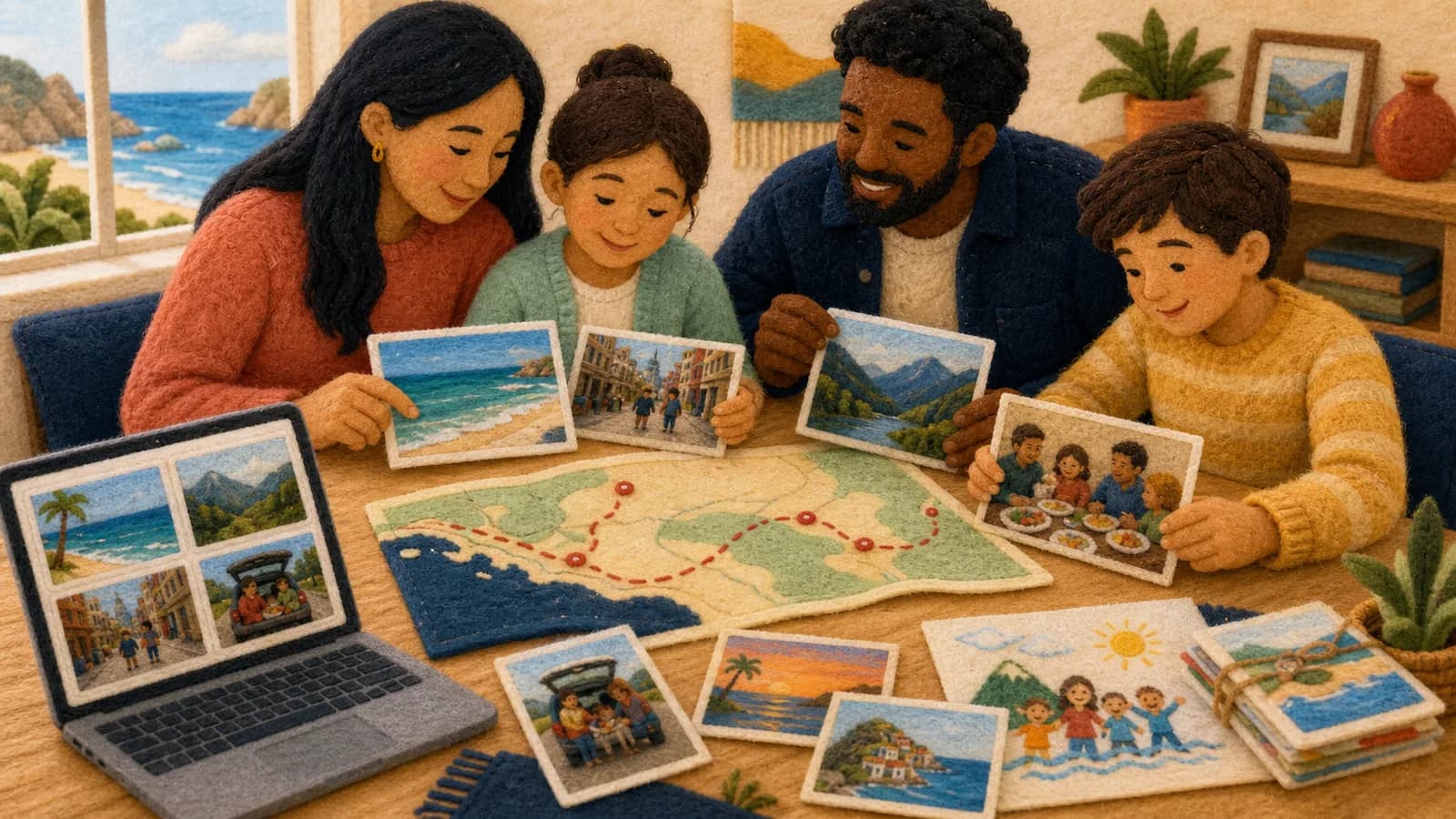
Locations can give the collection a natural structure. You might group memories by the family homestead, the reunion venue, childhood towns, or places where different branches now live. This turns a large folder into a clearer family record.
Protect privacy before you share the album
A family event may include children, private stories, and relatives who avoid social media. Explain who can view the collection and whether members may download or repost its contents.
Ask parents or guardians before sharing clear pictures of children outside the private family group. Avoid public captions that reveal schools, home addresses, travel plans, or other sensitive details.
Give relatives an easy way to request removal of a photo. The organizer should review those requests without debate. A treasured picture for one person may feel uncomfortable to someone else.
Use the narrowest access that meets the family's goal. A private link or password can reduce casual viewing. However, recipients still need guidance because any downloadable file can be copied elsewhere.
Organize the collection while memories are fresh
Set an upload deadline about one or two weeks after the reunion. Send one warm reminder halfway through that period. A deadline keeps the project moving while giving busy relatives time to contribute.
Download the full collection after submissions close. Remove obvious duplicates, screenshots, and accidental uploads. Keep the clearest version when several files show the same moment.
Use simple folders such as “Arrivals,” “Family Groups,” “Games,” “Meals,” “Old Photos,” and “Video Messages.” Another option is to group files by day or family branch. Choose one system and use it consistently.
Ask one other relative to review the organized set. They may notice a missing family branch, an incorrect name, or a picture that should remain private.
Create a backup and share a clear final version
Keep at least two copies of the finished archive. Store them in different places, such as a computer drive and a trusted cloud account. A third copy with another family member adds more protection.
Use folders and filenames that will still make sense later. A name such as “2026-Reunion-Toronto-Group-Photo” carries more meaning than a phone's default file number.
Share the curated album rather than every repeated or unclear image. You can also offer the complete archive to relatives who want it. State which version is the long-term family copy.
Include a short note with the final link. Thank contributors, explain how long the link will work, and tell people whom to contact for corrections. This closes the project in a kind, useful way.
Turn the collection into a story about people and places
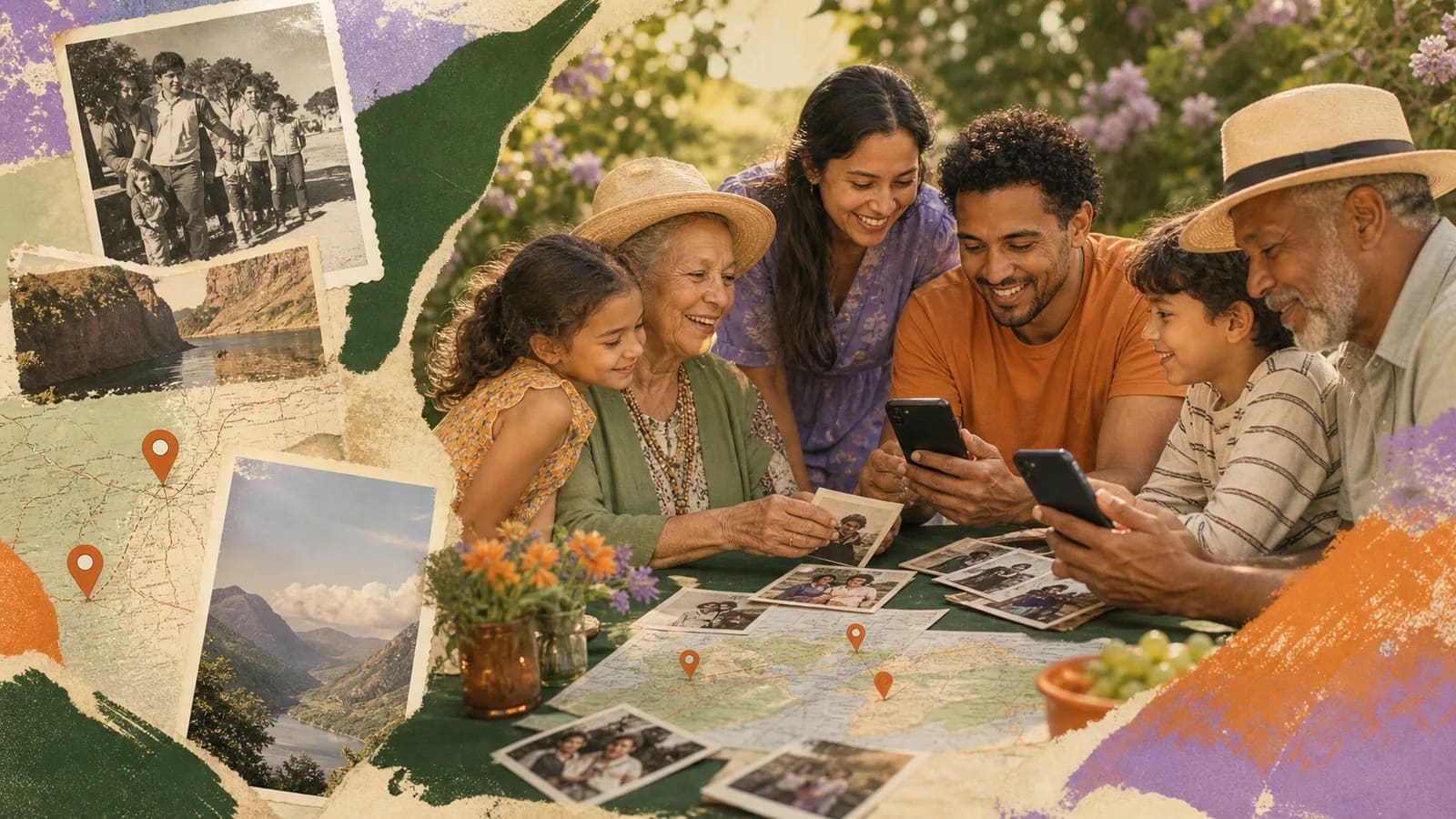
A folder preserves files, but a story helps people return to them. Choose images that show a beginning, middle, and end. You might start with earlier generations, move through the reunion day, and finish with messages for the future.
Place can provide another story line. Family members may have traveled from several cities or countries. Old memories may connect to a farm, neighborhood, school, or first family home.
When those locations matter, AlbumMap can turn selected photos, videos, messages, and places into a cinematic map video gift. The map can connect where the family began, where relatives live now, and where everyone met again.
Keep the first collection broad. Curate the story later. This lets relatives contribute freely while giving the final keepsake a clear focus.
Examples You Can Copy
Copy-ready invitation message
We are creating one shared album for the Patel Family Reunion. Please use this link to add your favorite photos and short videos before, during, or after the gathering. Candid moments, old family pictures, and photos of meaningful places are welcome. Please upload by August 16. Contact Maya if you need help.
Copy-ready QR code sign
Add your reunion photos. Scan this code, choose your pictures, and upload them to our private family collection. Short videos are welcome too. Please ask before posting any photo outside the family group.
Copy-ready reminder message
Thank you to everyone who has added reunion photos. If you still have pictures or short clips to share, please upload them by Sunday. We would especially love photos from the picnic, children's games, and each family branch. Here is the same upload link: [LINK].
Copy-ready caption prompt
If you know the details, please add the names, place, and approximate year. One short memory is welcome too. Example: “Aunt Rosa and Uncle Ben at the old family home in Halifax, around 1984.”
Final Thoughts
The best reunion collection system is simple enough for the whole family to use. Choose one upload place, share it early, and give people clear prompts. Then protect privacy, add useful context, and save more than one copy. The result will be more than a crowded photo folder. It will be an organized family record that relatives can understand, enjoy, and build on after the reunion ends.
Helpful answers
Frequently asked questions
- What is the easiest way to collect photos from a family reunion?
- Create one private shared collection before the reunion. Send the same upload link to everyone and display its QR code at the event. Test the process on different phones, name a contact for help, and set a clear upload deadline.
- When should I ask relatives to upload their reunion photos?
- Share the link several days before the event so relatives can test it and add older photos. Remind guests once during the reunion and once afterward. A final deadline one or two weeks later gives people time without letting the project stall.
- How can I collect photos from relatives who are not good with technology?
- Choose a method with few steps and test it with a less confident user. Provide one link, one short instruction, and a contact person. You can also ask a trusted relative to help with uploads or add files on someone's behalf.
- Should the family reunion album be public or private?
- A private collection is usually the safer starting point. Family photos may include children, personal stories, or sensitive location details. Explain who can view, download, and reshare the files, and provide a simple removal process.
- How should I organize hundreds of reunion photos?
- Remove duplicates and group the remaining files by activity, date, place, or family branch. Add names and captions to important images. Keep one curated album for easy viewing and a complete downloaded archive for long-term storage.
- Can I include old family photos and videos in the collection?
- Yes. Ask relatives to scan old photographs and add short clips or voice notes. Record names, dates, places, and the stories behind important items. These details can be more valuable than the image alone.
- How can reunion photos become a meaningful family keepsake?
- Choose a focused set of images and arrange them around generations, events, or meaningful places. Add short videos and written messages where they provide context. If locations are central to the story, an AlbumMap map video gift can connect them in one visual journey.