Introduction
Viral travel video ideas often begin with one useful question: can a viewer recognize the feeling of a famous place before they know where the clip was filmed? A travel lookalike video uses that small gap in knowledge to create curiosity. It does not need to promise a hidden version of Paris or a perfect copy of an island. It only needs a real visual resemblance, a clear reveal, and an honest label.
That makes the format useful for travel creators, tourism teams, and friends who want to share a trip in a more memorable way.
Why Viral Travel Video Ideas Often Start With a Small Surprise
A lookalike video gives viewers two things at once: a familiar reference and a new answer. A mountain scene may bring the Swiss Alps to mind. A blue-and-white street may suggest a Greek island. The viewer wants to know whether the comparison will hold up and where the real place is.
That curiosity is the hook. It works best when the first image is easy to read on a phone. Start with the strongest visual clue, not a long introduction. Show the water color, cliffs, canal, lantern-lit street, or mountain shape first. Then let the viewer wait a moment for the real location.
The format can earn attention, but no hook guarantees a viral result. Views depend on many things, including the audience, timing, platform, editing, and whether the idea feels fresh. Your job is to make the promise clear and fair, then give the viewer a satisfying answer.
Build a Fair Resemblance Claim
The best comparison is specific. Do not say, “This place is exactly like Venice.” Say, “These canals have a Venice-like feel,” if canals are the real visual link. Do not claim that a town is a foreign country. Name the real place and describe the cue that made you think of the reference.
A fair claim protects the audience’s trust. It also gives your edit a sharper point of view. Ask yourself: is the resemblance about color, terrain, architecture, water, a street scene, or a single camera angle? If you cannot name the shared feature, the comparison may be too broad.
Show enough of the real place to support the idea. One dramatic shot can open the video, but a second angle or map label helps viewers understand the context. Avoid hiding practical differences just to make the comparison sound bigger than it is.
Use Visual Travel Hooks Before You Explain
Visual travel hooks are not just pretty footage. They are a fast clue that sets up a question. Try a close view of a turquoise bay, then pull back to reveal its shape. Start on a row of old lamps, then show the street around them. Begin with a white wall and blue door, then name the real city.
Keep the first on-screen line short. “Looks like the Amalfi Coast?” is easier to process than a full sentence. The next line should answer it with care: “A cliffside view with an Amalfi-style feel — in [real location].” The label should be readable, calm, and accurate.
A strong hook does not need clickbait. If the video asks a question, answer it. If it compares two looks, say what is actually similar. This makes the reveal feel earned instead of tricky.
Plan Reveal Timing Without Turning It Into a Countdown
A reveal works when the viewer has just enough time to form a guess. For a short clip, let the opening image do its work for a beat, add the comparison, then reveal the real location before interest drops. The exact timing will vary with the shot, but the reveal should arrive while the question is still active.
Use a simple three-part rhythm: familiar cue, real destination, one supporting detail. For example: show bright blue water; ask whether it feels Maldives-like; reveal the real bay and add one true detail about the light, color, or shoreline.
This is not a rule that every video must follow. A calm, personal travel story may need more space. The point is to give the viewer a clear path from surprise to answer, rather than piling on fast cuts with no payoff.
Write Titles and Location Labels That Keep Trust
Your title should set up curiosity without making a false promise. “This Canadian View Has a Swiss-Alps Feel” is clearer than “You Won’t Believe This Is Canada.” The first tells viewers what they will see. The second can feel vague or exaggerated.
Put the real destination in the video itself, not only in the caption. Use a clear place name, then add the resemblance in softer language. Good labels include “Venice-like canals in [place],” “Greek-island colors in [place],” or “a fjord-like bay on the Adriatic.”
Check spelling, country and region names, and map pins before you post. Accurate labels are part of the story. They also help a viewer save the video, search for the place later, or share it with someone planning a trip.
Use Travel Trend Content as a Starting Point, Not a Script
Travel trend content can help you notice what people are discussing, but it should not replace your own footage or judgment. A trend is useful when it fits a real place, a real memory, and a claim you can support. It is less useful when it forces your trip into a format that does not match the material.
Look for surprising destinations in the details you already have. A group may have clips from a quiet street, a ferry ride, a mountain pull-off, and a waterfront dinner. One of those scenes might carry a familiar visual cue. The strongest choice is usually the one you can describe honestly in one line.
Before editing, write the answer to three questions: What will viewers recognize? What is the real location? What visual feature links the two? If the answers are clear, the video is easier to title, label, and share.
What the AlbumMap Video Shows
AlbumMap’s “10 Places That Look Like Somewhere Else—but Aren't” uses a ten-location reveal structure. It introduces the idea, then moves to a new comparison about every 13 seconds. The speed is useful because each scene has one visual job: create recognition, reveal the actual setting, and move forward before the comparison grows stale.
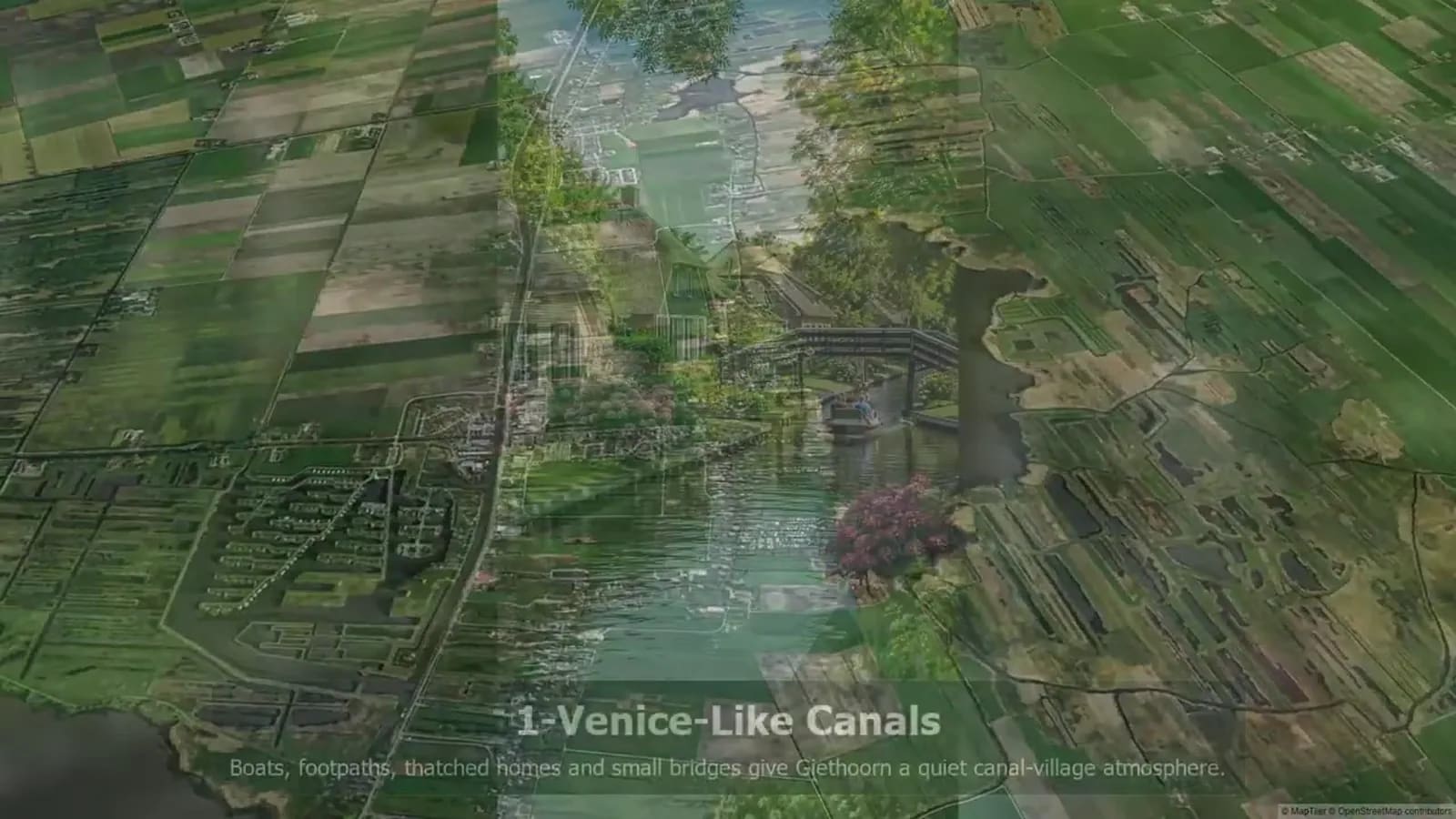
The examples show how varied a fair resemblance can be. A Canadian scene is framed for a Swiss-Alps feel. A Cascades destination suggests Bavaria. Other moments use historic streets and lanterns, blue city tones, cliff drama, white-and-blue color, bright water, island scenery, a fjord-like bay, and Venice-like canals. These are visual references, not claims that places are the same.
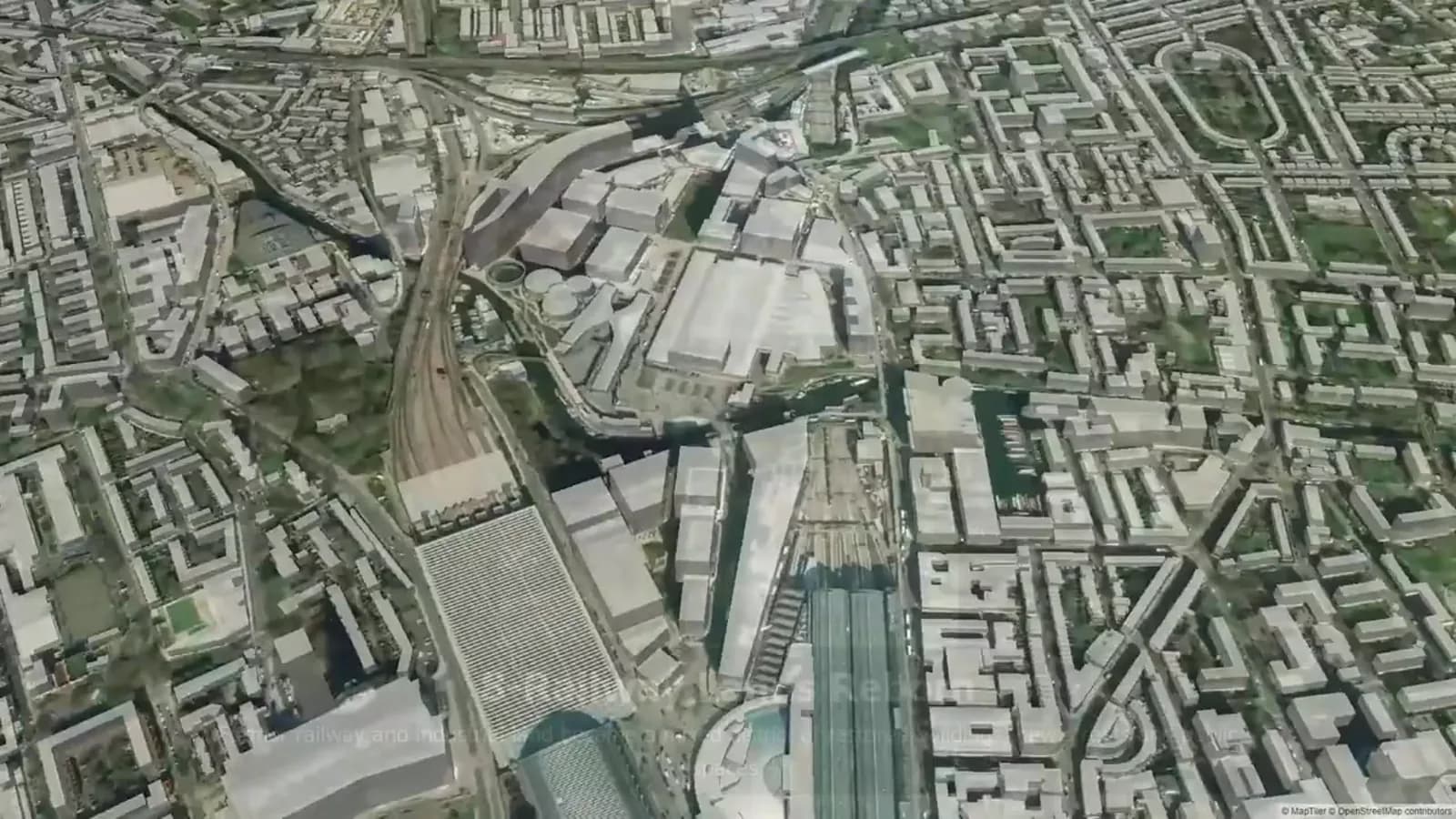
Map-led transitions connect the scenes and short labels keep the real locations visible. That is especially helpful for this format. The map makes the reveal feel grounded, while the label gives the viewer an answer they can trust. The closing frame identifies AlbumMap as the map-video format, which fits naturally when several places need to become one clear story.
Sources and Verification
Last verified: 2026-08-10. The embedded AlbumMap video details and scene facts were verified on 2026-08-09. This is a planning guide based on the listed sources and video evidence; it does not promise views, reach, or a viral outcome. Review the video, location labels, and linked sources again before publication if they change.
Hook and Reveal Planning Worksheet
Fill in one row for each comparison before editing. The worksheet keeps the hook clear, the resemblance fair, and the real location easy to find.
| Real location | Visual cue | Fair comparison line | Opening hook | Reveal and label |
|---|---|---|---|---|
| [Real destination] | Mountain and lake shape | “Has a Swiss-Alps feel because of the steep peaks and water.” | “Swiss Alps? Look again.” | “This is [real destination].” |
| [Real destination] | Canals and waterside buildings | “Venice-like canals, not Venice itself.” | “These canals look familiar.” | “Find them in [real destination].” |
| [Real destination] | White walls and blue details | “Greek-island colors in a different setting.” | “A Greek-island color palette?” | “The real location is [real destination].” |
| [Real destination] | Bright turquoise water | “Maldives-like blue water in this light.” | “That water color is the hook.” | “This view is in [real destination].” |
Examples You Can Copy
Copy-ready opening hook
“This looks like the Swiss Alps at first glance. It is actually [real location] — and the mountain-and-lake view is the reason.”
Copy-ready fair reveal
“Not Venice, but these canals give this [real location] a Venice-like feel. Here is where the view really is.”
Copy-ready title
“A Greek-Island Color Palette — in [Real Location]”
Copy-ready caption
“A familiar color palette, a real place, and a view worth labeling clearly. Save [real location] for a future trip.”
Final Thoughts
A travel lookalike video works when it respects the viewer’s attention. Lead with one true visual surprise, reveal the real location clearly, and explain the resemblance in plain words. If the footage comes from a shared trip, let the short video open the door and let a map-led story save the memories behind it.
Helpful answers
Frequently asked questions
Why do travel lookalike videos get attention?
They pair a familiar visual reference with a real-place reveal. That small unanswered question can create curiosity, especially when the opening image is easy to understand quickly.
Is it okay to say a place looks like somewhere else?
Yes, when the claim is specific and fair. Name the real place, describe the shared visual feature, and avoid saying two destinations are identical.
How do I make a location reveal clear?
Show the visual clue first, then add the real destination in readable on-screen text. A map transition or map pin can help viewers place the scene.
Can a travel lookalike video be part of a group memory project?
Yes. A short lookalike clip can introduce a larger AlbumMap story built from shared photos, videos, messages, and meaningful stops from the trip.