Page 01 / 06
Separate the video route from the route you will drive
The Chicago-to-Santa-Monica sequence below is a story plan for a Route 66 map video. A line between its stops is not a checked road itinerary. Historical alignments, current roads, detours, access and opening hours need a separate travel plan based on the exact places and dates you choose.
Keep one main stop sheet. Use it to decide which memories the video will contain, then add your own confirmed visit date, actual road approach and permission notes. Do not treat an attractive moving map as evidence that every connection is drivable.
Page 02 / 06
One main ten-stop story table
| Story stop | Purpose in the film | Capture or select | Confirm for your visit |
|---|---|---|---|
| Chicago, Illinois | Beginning | A departure image and one sentence about the plan | Your actual starting point and access |
| Pontiac, Illinois | An early history chapter | A streetscape, exterior or approved detail | The site and opening arrangements you choose |
| Old Chain of Rocks Bridge | A distinctive crossing | A permitted view and a personal memory | Current visitor access; do not infer vehicle access |
| Catoosa, Oklahoma | A roadside stop | A selected arrival or group moment | The actual site and visitor arrangements |
| Clinton, Oklahoma | A museum chapter | An exterior or permitted exhibit detail | Museum opening and recording permission |
| Cadillac Ranch, Texas | An art stop | One approved view or detail | Current site access and photography rules |
| Santa Fe, New Mexico | A chosen historical branch | A location note explaining your actual visit | Which historical alignment your trip follows |
| Albuquerque, New Mexico | An urban chapter | A streetscape or evening memory | Your actual stop and local access |
| Petrified Forest, Arizona | A landscape chapter | A permitted scene and a short reflection | Park hours, current alerts and filming rules |
| Santa Monica, California | The symbolic finish | An arrival image and closing message | Your chosen endpoint and current visitor access |
These are ten editorial selections, not every town or historic alignment along the road. Keep a skipped stop out of a personal recap, or identify it as planned rather than visited. A museum or landmark name in this table does not establish that it is open on your date.
Page 03 / 06
Use seven, ten or fourteen days as a planning constraint
| Available time | Story-planning response | Separate travel decision |
|---|---|---|
| 7 days | Choose a small number of chapters and leave room for the trip itself | Decide whether a shorter segment is more realistic for your group |
| 10 days | Select one main memory per chosen chapter | Check distances, rest, reservations and the actual route |
| 14 days | Allow more detail and ordinary moments, rather than more pins alone | Keep flexibility for access, pace and changes of plan |
These rows do not certify that the full route suits any particular number of days. The time available for driving is different from time available for filming, visiting and resting. Establish the real travel plan before assigning a capture task to every day.
Page 04 / 06
The showcase is an illustrative ten-stop sequence
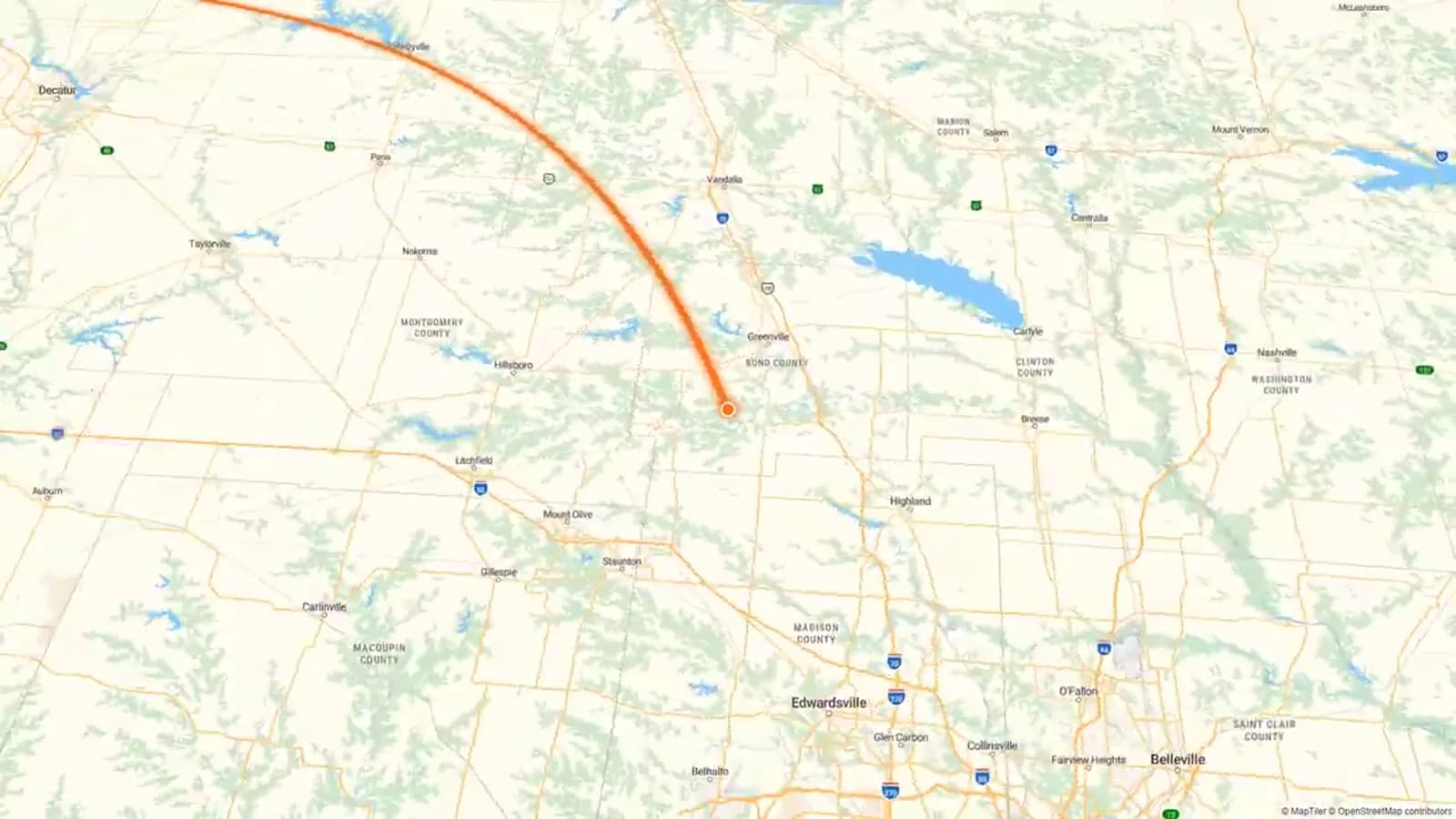
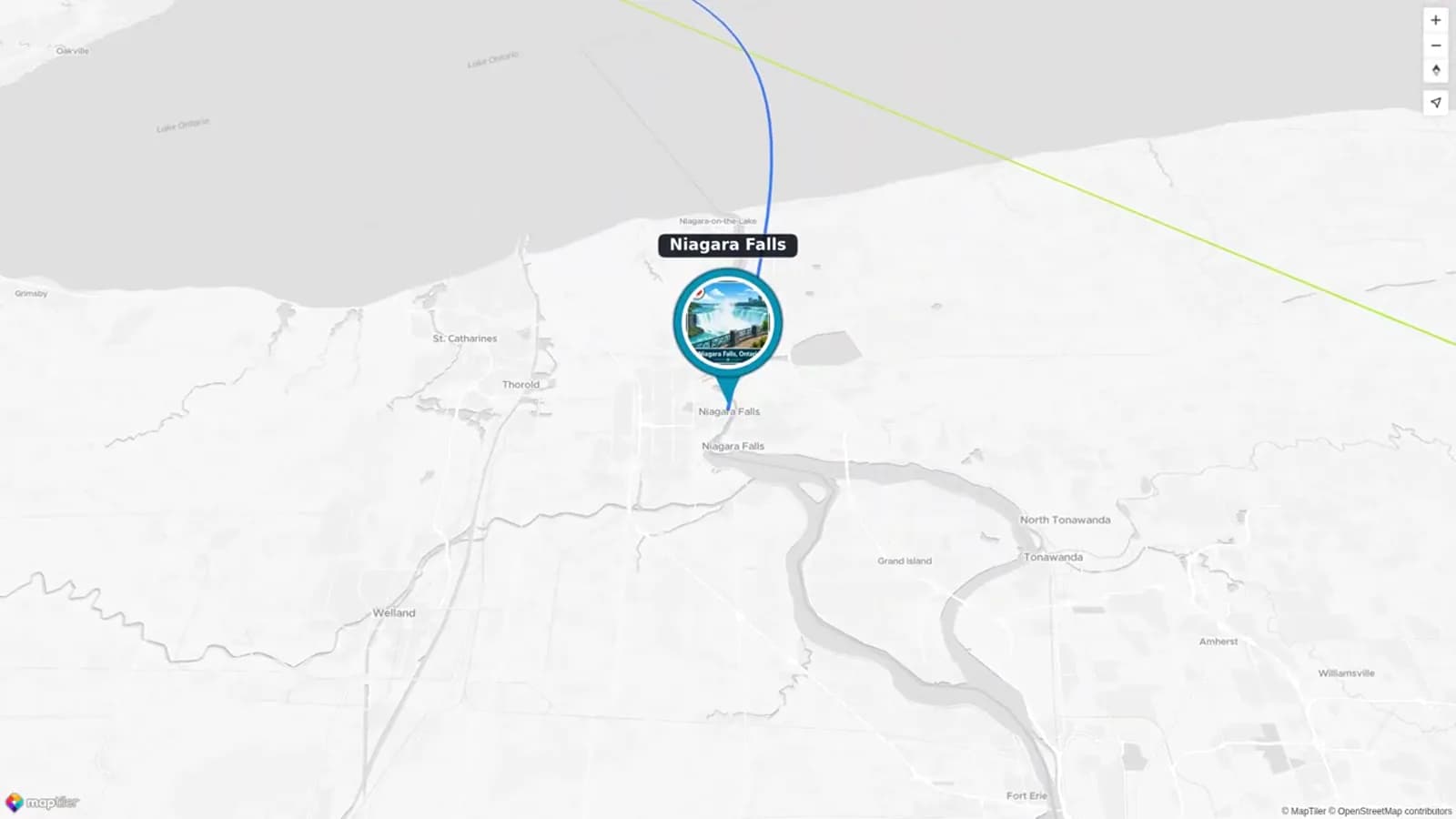
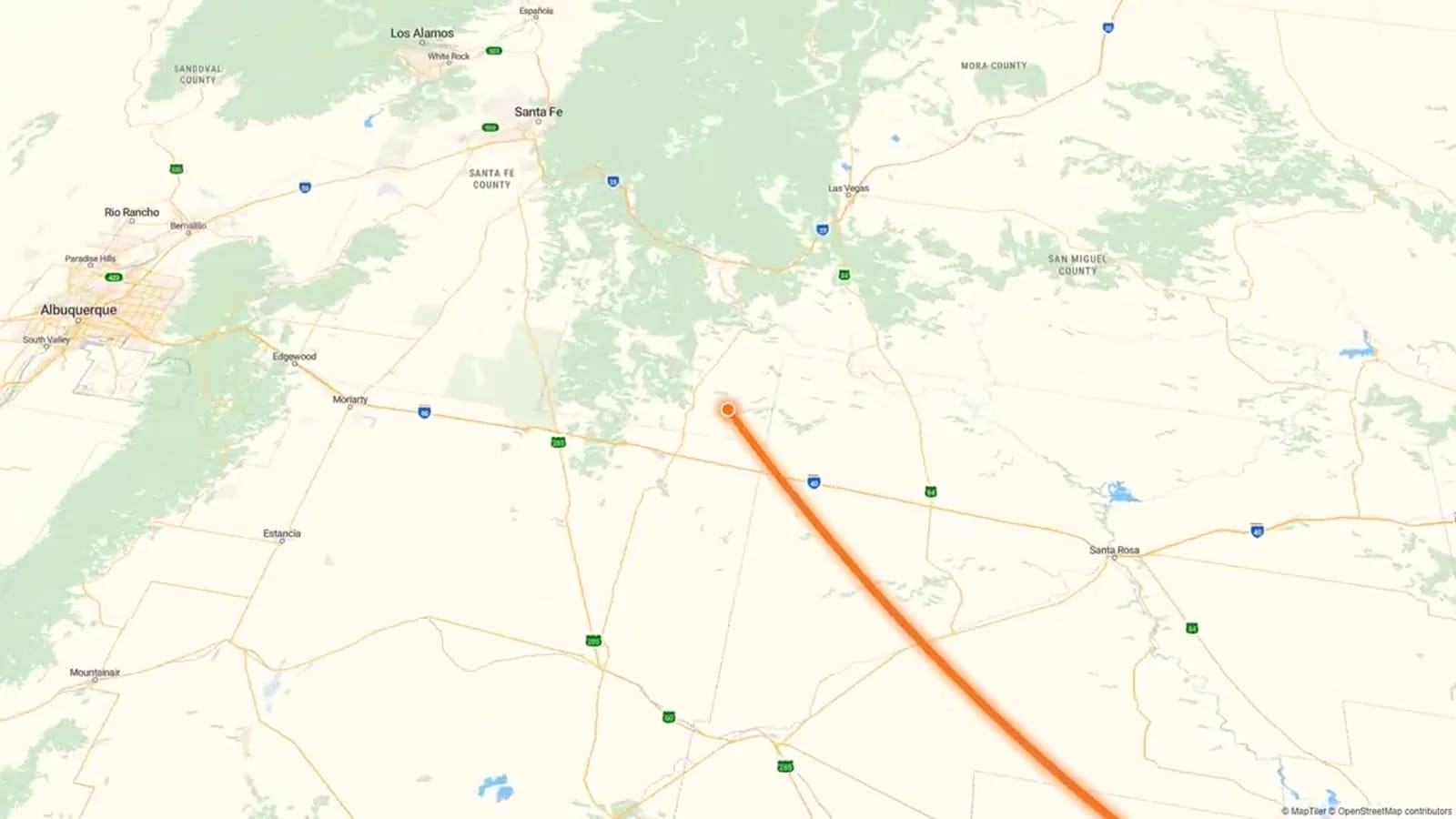
Watch the illustrative ten-stop Route 66 showcase on YouTube. This optional format reference opens separately.
The showcase demonstrates a map-led format. This revised guide does not rely on guessed scene timestamps, assume that a line follows a particular road alignment or use the video to establish current access. Match your own finished map to the stops you actually want to describe.
Use the road-trip structure guide to choose the chapters and the route-animation tutorial for camera and timing controls. The production workflow and the navigation plan remain separate.
Page 05 / 06
Use official planning sources for the exact places
Source review: 24 October 2026. The National Park Service provides Route 66 visit-planning resources, route maps and a historic-site itinerary. Its map resources help identify the corridor; they do not replace current road-condition and site-operator checks.
For a park visit, begin with Petrified Forest National Park and its current visitor information. Check other museums, private sites and road segments with their operators or responsible road agencies. Keep those confirmations in your stop sheet.
Page 06 / 06
Make a selected memory video after the travel decisions
At each actual stop, one wide image, one people moment and a short note may be enough. Record while stopped in a permitted place and let a passenger handle moving footage. Save the unedited originals, choose a shortlist later and ask contributors about public sharing before posting the result.
The photo-organization guide supplies a concrete naming pattern. Use the vacation-album guide when the larger collection deserves its own keepsake rather than a longer route video.
For the historical anniversary angle, see the Route 66 centennial guide. For what to capture at a stop, take the Route 66 photo checklist. Use this page for the selected story route rather than for current road access.
Summary sheet
Plan at a glance
- Separate the video route from the route you will drivep.01
- One main ten-stop story tablep.02
- Use seven, ten or fourteen days as a planning constraintp.03
- The showcase is an illustrative ten-stop sequencep.04
- Use official planning sources for the exact placesp.05
- Make a selected memory video after the travel decisionsp.06
Helpful answers
Frequently asked questions
Can I navigate with the showcase video?
No. It is an illustrative sequence of selected story stops. Use an independently checked travel plan, current road information and the relevant site operators.
Are seven, ten and fourteen days verified full-route schedules?
No. They describe different time budgets for selecting a story. They do not establish that a full-route trip is appropriate for a particular group or date.
Should I include a stop I did not visit?
Leave it out of a personal recap, or clearly label it as a planned or illustrative location. Do not present planned material as a memory of an actual visit.