What to Say in a Graduation Video Message
A graduation video message can feel hard to record, even when you know the graduate well. You may want to sound proud, funny, wise, and sincere at the same time. That pressure can make a simple recording feel like a speech. It does not need to be one. A warm message only needs a clear congratulations, one personal detail, and a hopeful ending. This guide gives you an easy structure, useful prompts, and examples you can adapt without sounding stiff.
What Graduates Usually Want to Hear
Most graduates do not need a perfect speech. They want to know that someone noticed their work, growth, or character. A specific detail can make a short message feel deeply personal.
Think beyond the diploma. Perhaps the graduate kept going through a hard semester. Maybe they became more confident, helped classmates, changed direction, or balanced school with work. Mentioning that effort shows that you saw the journey behind the result.
Your message can also make room for mixed feelings. Graduation may bring joy, relief, worry, or sadness about leaving people behind. You can celebrate the milestone without pretending every next step is certain.
A Simple Structure for a Graduation Video Message
Use four small parts: greet the graduate, name what you noticed, share one detail, and look ahead. This structure works for a parent, friend, teacher, mentor, sibling, or coworker.
First, say the graduate’s name and congratulate them. Next, name a quality or form of growth you saw. Add one memory, example, or place that proves your point. Finish with a wish, a promise of support, or confidence in their next chapter.
For example: “Congratulations, Maya. I am proud of how calmly you handled every setback this year. I still remember our talks outside the library after those long study days. Take that patience with you, and know that we will always be cheering for you.”
You do not need to cover the graduate’s whole life. Choose one true idea and support it with one clear detail. That is usually enough for a focused recording.
Choose One Personal Detail Before You Record
A detail helps your words sound like they belong to this graduate. It can be a shared memory, a habit you admire, a challenge they faced, or a small act of kindness.
Ask yourself a few questions. When did the graduate surprise you? What did they keep doing when life became difficult? What ordinary moment still makes you smile? What quality will help them in the future?
Places can also unlock useful memories. Think about a family kitchen, classroom, library, sports field, workplace, studio, or campus path. Name the place and explain what happened there. The graduate will understand the meaning right away.
Avoid sharing a private story only because it is memorable. Choose something the graduate would feel comfortable hearing in front of the video’s expected audience.
Match the Message to Your Relationship
Parents can speak about growth that happened over many years. Focus on one change you witnessed and what it taught you about the graduate. Pride feels warmer when it is tied to effort, courage, care, or character.
Grandparents and older relatives can connect the milestone to family history. A short memory from the graduate’s childhood or a gentle lesson from your own life can work well. Keep the advice relevant to the person in front of you.
Friends and siblings can sound more relaxed. Share a moment that captures the graduate’s humor, loyalty, creativity, or persistence. An inside joke can work if everyone will understand it and the graduate will enjoy hearing it.
Teachers, coaches, and mentors can name progress the graduate may not have noticed. Mention a question they asked, a skill they built, a setback they handled, or the way they supported others.
Coworkers and professional contacts can keep the message brief. Name one quality you observed, connect it to the achievement, and offer a sincere wish for what comes next.
How to Sound Warm Without Becoming Too Formal
Write as you speak. Common words often sound more sincere than grand phrases. If you would never say “Your perseverance is an inspiration to us all” in conversation, choose words that feel more like you.
Try speaking from three bullet points instead of reading a full script. Write the opening, the personal detail, and the closing. Glance at those notes when needed, but keep your eyes near the camera.
It is fine to pause, smile, or become emotional. Those moments can make the message feel honest. If you lose your place, stop, breathe, and begin the sentence again.
Humor can help when it suits your relationship. Keep it kind and short. Do not use a joke that depends on embarrassment, a painful mistake, or private information.
What Not to Say in a Graduation Recording
Avoid turning the message into a list of demands. Advice about careers, money, relationships, or further study can add pressure to an emotional day. Offer support before giving instructions.
Do not compare the graduate with a sibling, classmate, or your younger self. This moment belongs to them. Focus on their work and their next step.
Skip comments about grades, debt, appearance, or uncertain plans unless the graduate has clearly welcomed that topic. Also avoid predicting one narrow version of success. Their path may change.
General praise is not harmful, but it can feel forgettable on its own. If you say “I am proud of you,” add one sentence explaining why.
What to Say When You Do Not Know the Graduate Well
You can still record a kind message without pretending to share a close bond. Keep it honest. Mention the connection you do have, such as work, a class, a team, or a family friendship.
You might say that you enjoyed seeing their effort, appreciated their help, or heard good things from someone you trust. Then offer a simple congratulations and a wish for the future.
Do not invent a personal memory or make broad claims about their character. A short, truthful message will sound better than praise that feels forced.
Keep the Recording Clear and Comfortable
A useful target is about 30 to 60 seconds, unless the organizer gave you another limit. That is enough time for four or five clear sentences. A closer relative may speak longer when the story adds something new.
Record in a quiet place with light facing you. Place the phone near eye level and look toward the camera. Check that the graduate’s name and every important word are easy to hear.
Leave a short pause before and after speaking. This gives the organizer room to edit. Watch your recording once, but do not reject it because of one natural pause or small mistake.
If you freeze, record only the opening first. Then add the memory and closing in another take. The organizer may be able to join the clips, or you can try the full version once you feel settled.
Help Several Messages Feel Like One Gift
When many people are contributing, the organizer can give each group a different prompt. Parents might speak about early growth. Friends can share school memories. Teachers can name a strength, while mentors offer a wish for the future.
This variety reduces repeated lines. It also helps the final video show more than one side of the graduate. Written notes, voice clips, and photos can include people who cannot record on camera.
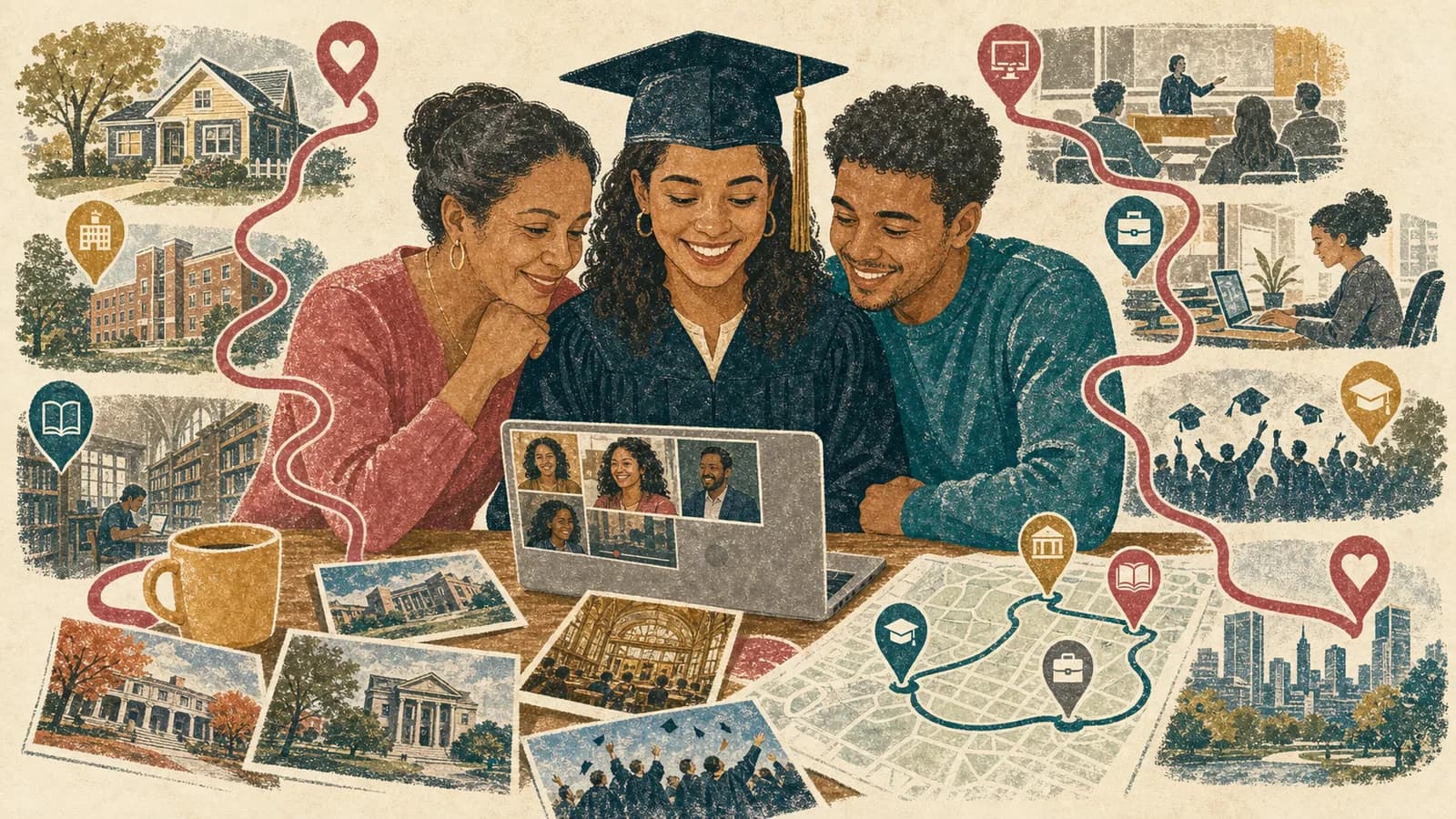
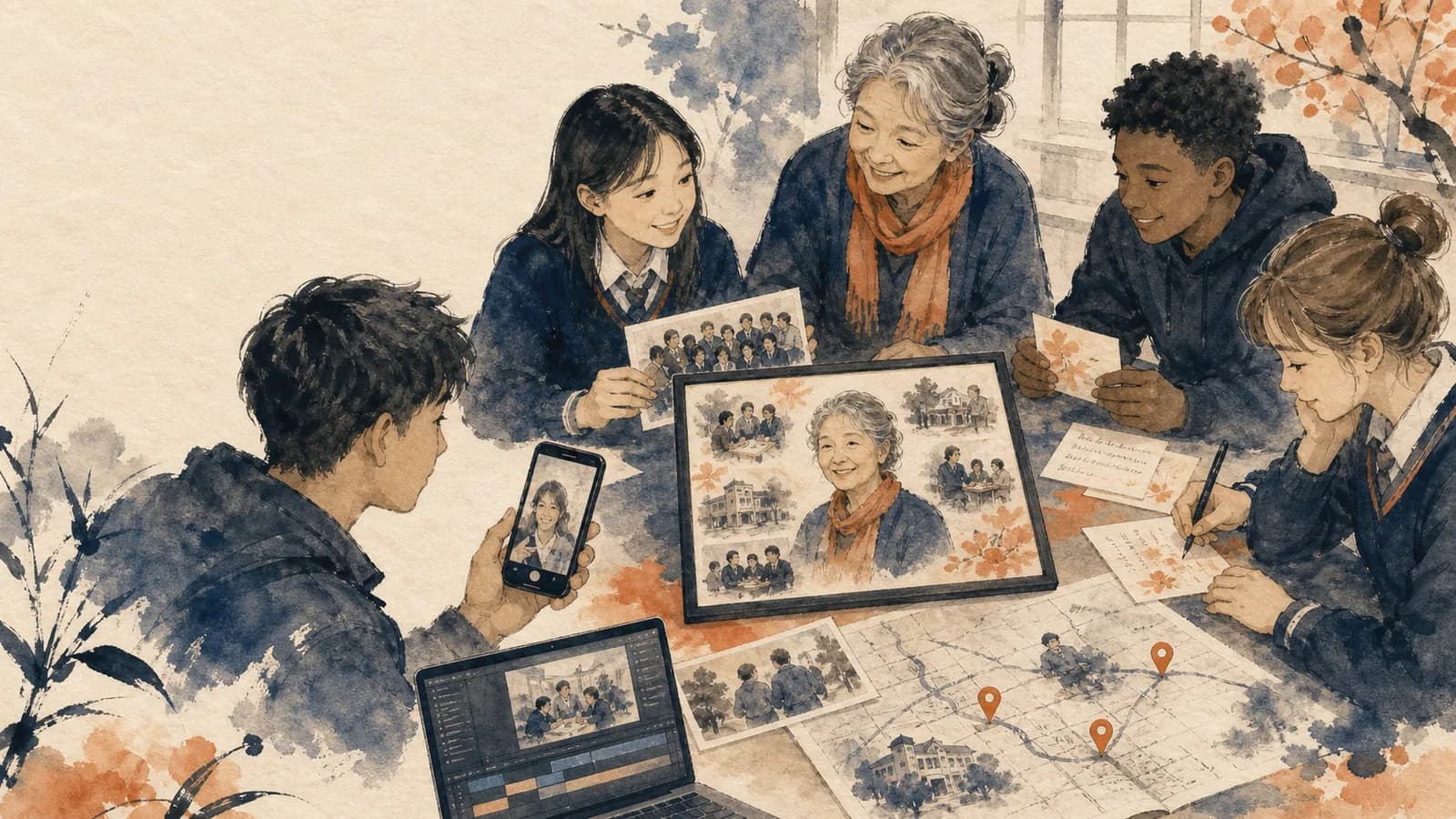
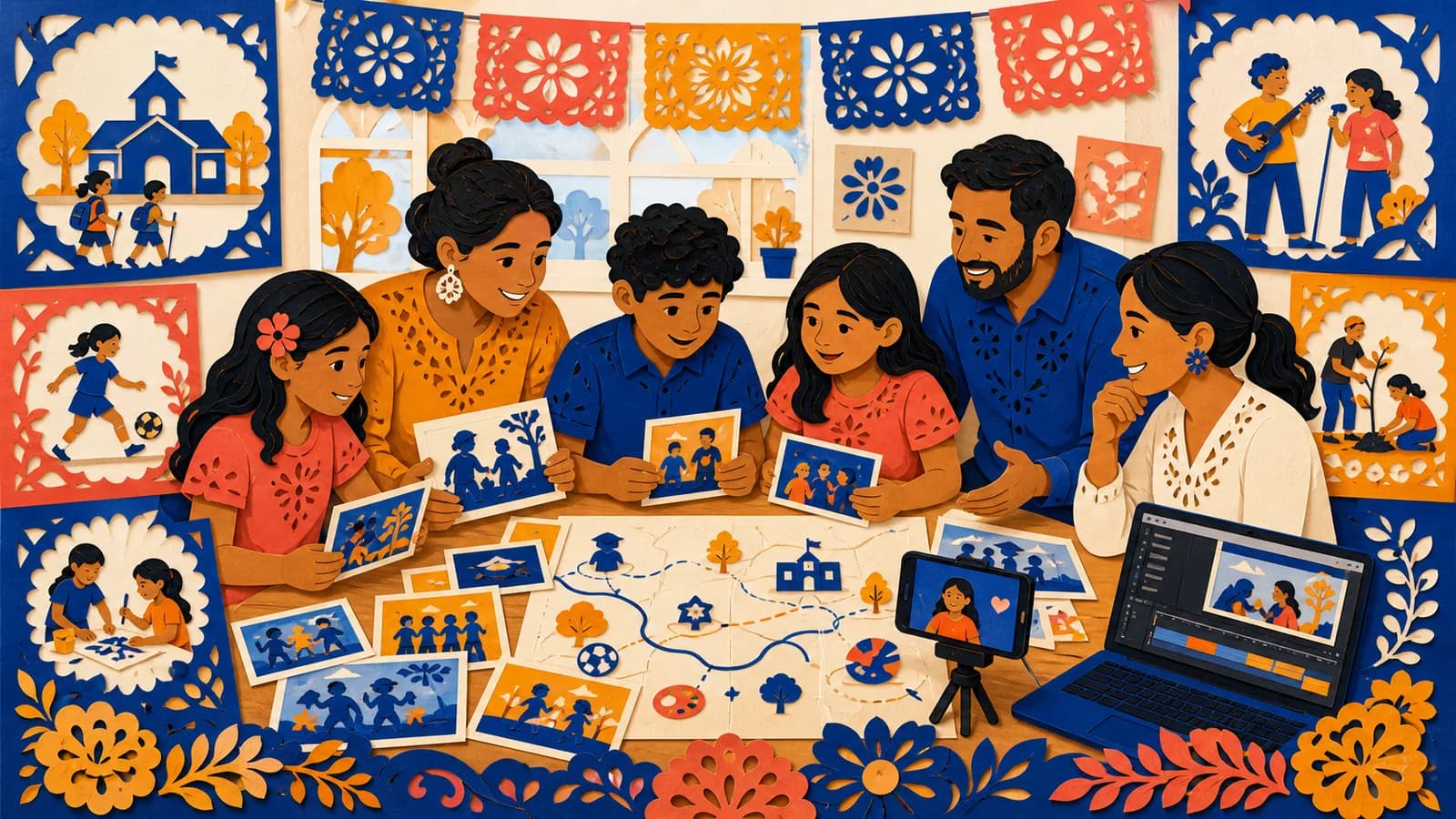
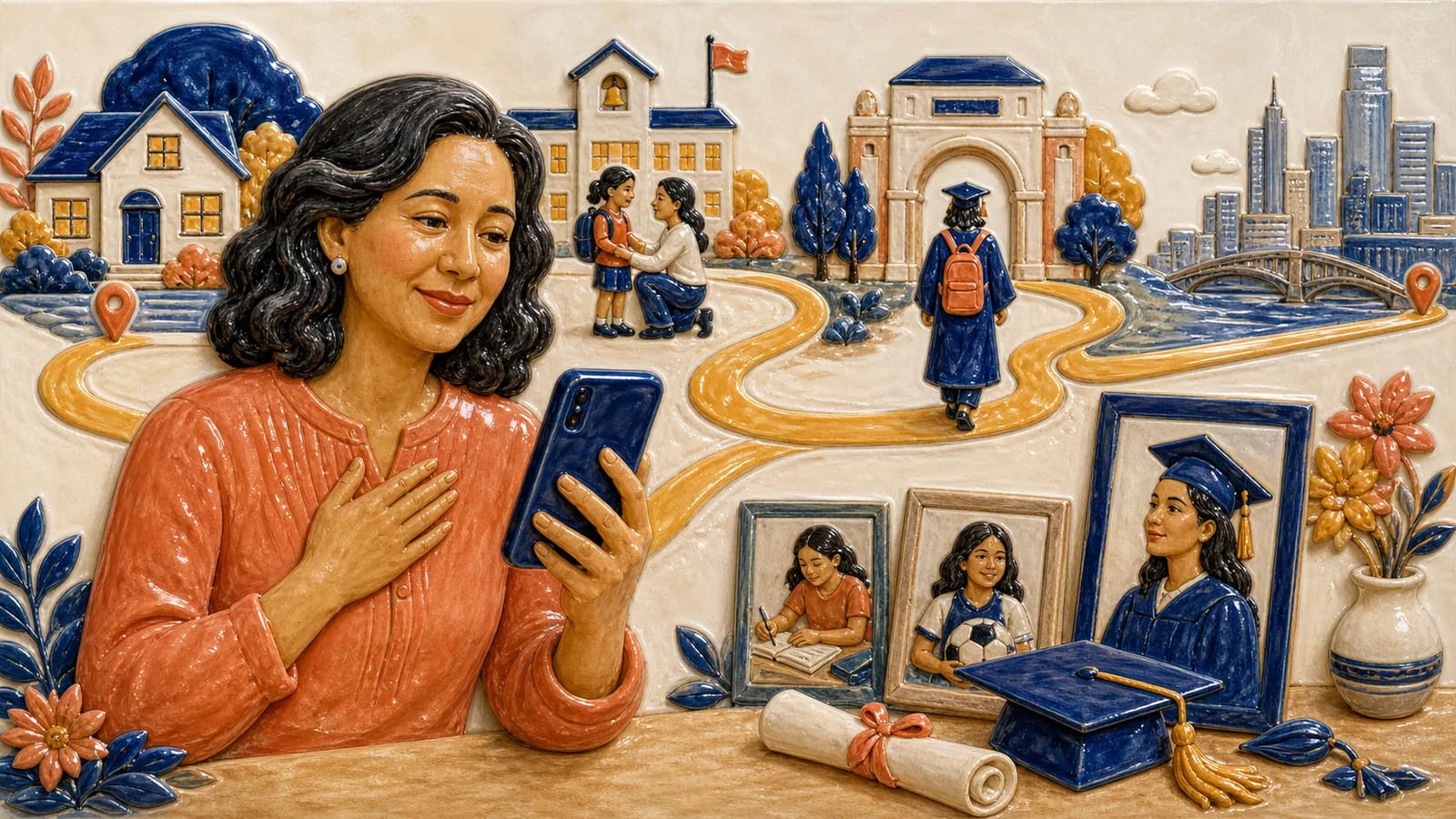
AlbumMap can be useful when those memories are tied to places. Photos, short clips, written messages, and locations can become a map-based story. A route might move from home to school, a favorite activity, the graduation venue, and the graduate’s next destination.
Use locations only when they add meaning. A school entrance matters when a teacher has a story from that place. A family home matters when it holds a memory the graduate will recognize.
A Quick Plan You Can Use Today
Choose one quality, one detail, and one hope for the future. Write them as three short bullet points. Add the graduate’s name and a direct congratulations at the beginning.
Say the message aloud once before recording. Remove any sentence that feels formal, repeated, or hard to say. Then record two takes and choose the one that feels most natural.
Before sending the clip, check the sound and picture. Confirm that you followed the organizer’s length and screen-direction request. Send it before the deadline so the organizer has time to include it.
Examples You Can Copy
Short message for any graduate
Congratulations, Alex! You worked hard for this, and I hope you take time to enjoy what you achieved. Your calm approach has carried you through many challenges. I cannot wait to see where it takes you next.
Message from a parent
Sofia, congratulations. Watching you grow from a curious child into this thoughtful and determined graduate has been a joy. I am especially proud of how you kept moving during a difficult final year. Wherever you go next, you will always have our love and support.
Message from a grandparent
Ethan, I still remember you reading every sign you saw on our walks. That same curiosity helped bring you to graduation day. Keep asking questions, keep learning, and remember how proud our whole family is of you. Congratulations, dear.
Message from a sibling
Maya, you did it! I may joke about your color-coded study notes, but I saw how much work went into every page. Your focus is impressive, even if I will never admit that again. I am proud of you and excited for your next adventure.
Message from a friend
Jordan, congratulations! I will always remember our late study sessions at the corner café and how you kept us laughing. You made hard weeks feel manageable. I hope your next chapter brings good people, bold plans, and many reasons to visit.
Message from a teacher
Leah, congratulations on this well-earned milestone. I watched you become more confident each time you faced a difficult problem. Your thoughtful questions also made our class better. Keep trusting your curiosity and the steady work that brought you here.
Message from a coach or mentor
Noah, I am proud of what you achieved. The moment I remember most is when you returned after a hard loss and helped the whole team reset. That showed patience and leadership. Carry those qualities with you into whatever comes next.
Message from a coworker
Priya, congratulations on completing your degree. Your care, focus, and willingness to help others are clear in everything you do at work. This achievement reflects the effort we have all seen. I wish you every success in your next step.
Message for someone you do not know well
Congratulations, Daniel. I have enjoyed seeing the care you bring to our volunteer team, and I am glad to celebrate this achievement with you. I hope graduation opens the door to work that interests and challenges you. Well done.
Funny but kind message
Congratulations, Ava! You survived the deadlines, early alarms, group projects, and at least one printer crisis. More importantly, you handled all of it with humor and heart. I am proud of you, and I hope your next chapter includes more sleep.
Message for a graduate facing an uncertain next step
Marcus, congratulations. You do not need to have every part of the future planned today. You have already shown that you can learn, adjust, and keep going. Celebrate this moment, and know that we will support you wherever the next step leads.
Fill-in-the-blank script
Congratulations, [Name]! I am proud of the way you [specific action or quality]. I still remember [short memory or meaningful place] because it showed me [what you learned about them]. As you begin [next step], I hope you [warm wish]. We are all cheering for you.
Final Thoughts
The best graduation words do not need to sound polished. They need to sound true. Use the graduate’s name, mention one real detail, and finish with support for the future. A short message can stand on its own or join photos, clips, notes, and meaningful places from many contributors. When the details reflect the person being celebrated, even a simple recording can become a lasting part of their graduation story.
Helpful answers
Frequently asked questions
- How long should a graduation video message be?
- Aim for about 30 to 60 seconds unless the organizer gives you another limit. That is enough time to congratulate the graduate, share one personal detail, and offer a wish for the future. A close relative may speak longer if the story adds something new.
- What should I say at the beginning of a graduation video?
- Start with the graduate’s name and a direct congratulations. You can then say what makes you proud or name a quality you noticed. A clear opening is easier to deliver than a long introduction.
- What can I say instead of only “congratulations”?
- Add one reason the achievement matters. Mention the graduate’s effort, growth, kindness, courage, or curiosity. You can also recall a shared memory and explain what it showed you about them.
- What if I become emotional while recording?
- Pause and take a breath. You do not need to hide every emotion or make the recording perfect. Keep three bullet points nearby, record more than one take, and choose the version that feels most natural.
- Can I use humor in a graduation message?
- Yes, if the humor is kind and suits your relationship. A small joke about a shared routine or harmless challenge can make the message feel personal. Avoid private stories, embarrassing moments, or jokes the wider audience may not understand.
- What should a teacher or mentor say to a graduate?
- Name a form of progress you observed. Mention a question, skill, setback, or act of leadership that revealed the graduate’s character. Close with confidence in how that quality can help them in the future.
- What should I avoid saying in a graduation video?
- Avoid comparisons, unwanted career advice, private stories, and comments about grades, money, appearance, or uncertain plans. Do not turn the message into a lecture. Keep the focus on the graduate and the achievement.
- How can several people make their messages feel less repetitive?
- Give different contributors different prompts. Family can share early memories, friends can recall school life, and teachers can speak about growth. Others can offer advice, future wishes, photos, written notes, or memories tied to meaningful places.