Introduction
A sports travel timeline can turn a finished tournament, tour, or set of public appearances into a clear story. The goal is to map facts, not guesses. For each stop, note the date, event, city, public venue, source, and confidence level. Show only the facts that help a reader understand a completed event. This guide is for fans, clubs, schools, and event teams that want a careful recap. It is not a tool for live tracking. Leave out private homes, nonpublic travel, and places that are not in the public record.
If you cannot check a detail, mark it as uncertain or leave it out. A short, well-sourced route is better than a long route built on rumor.
What the video shows
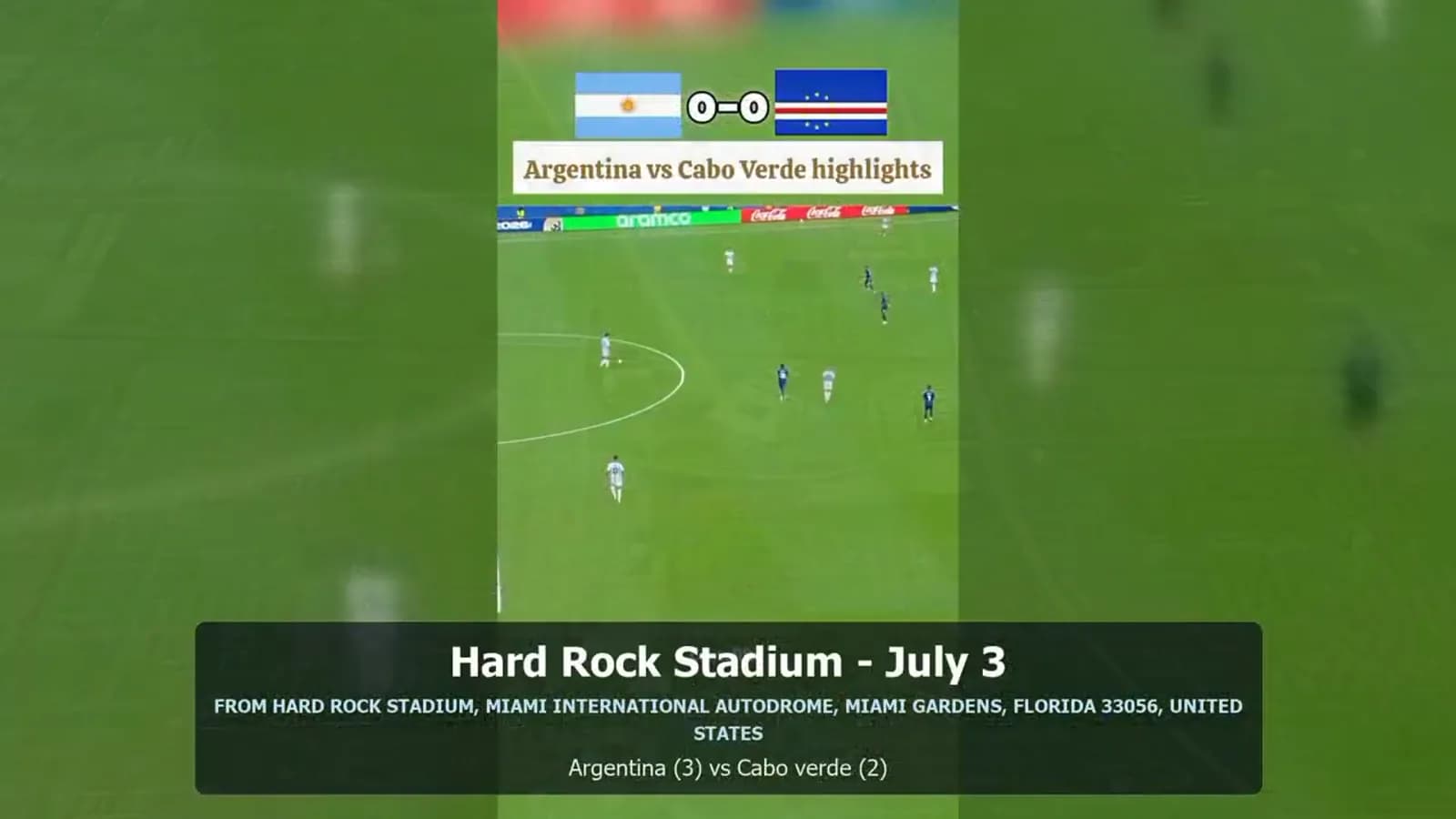
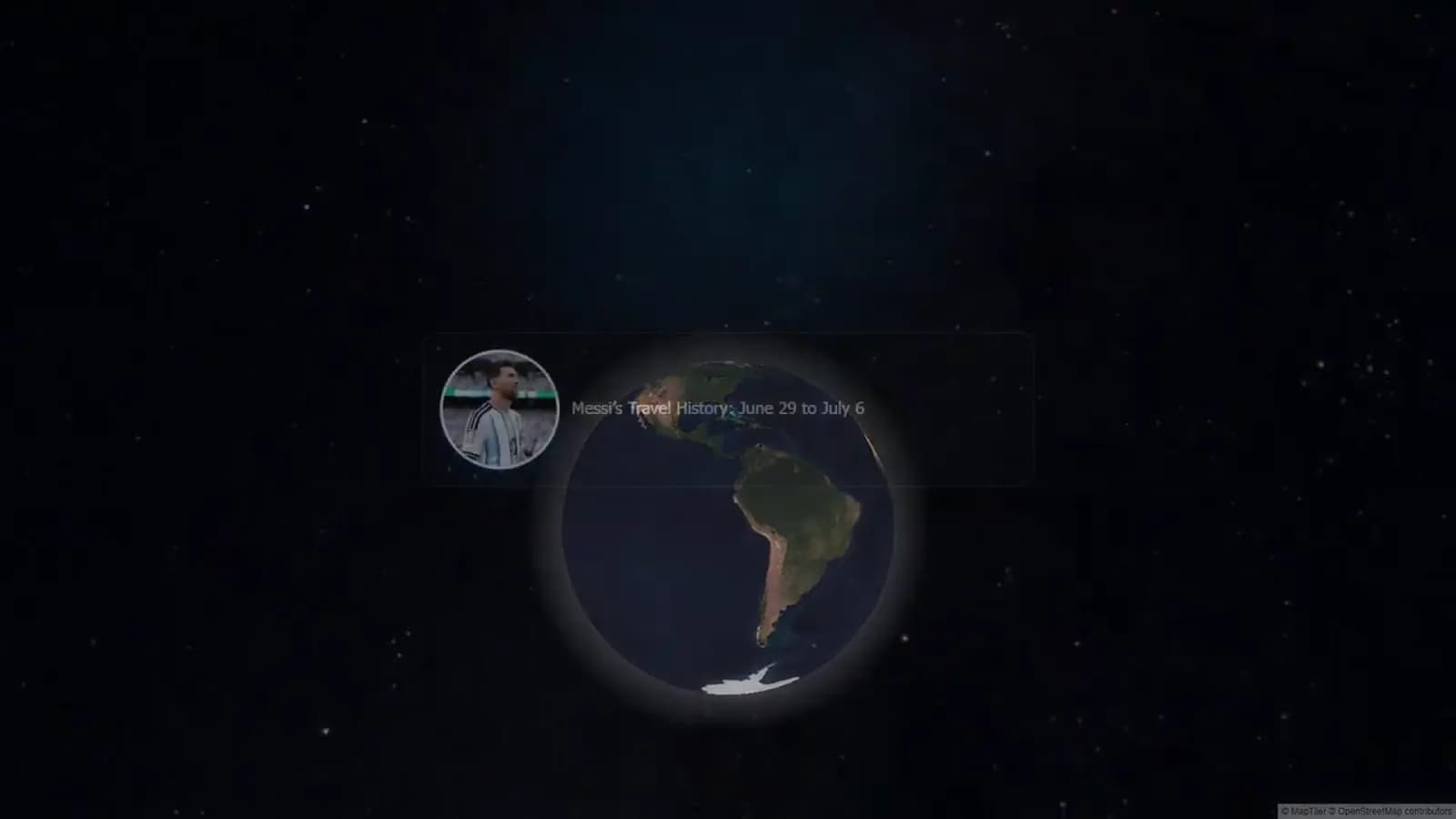
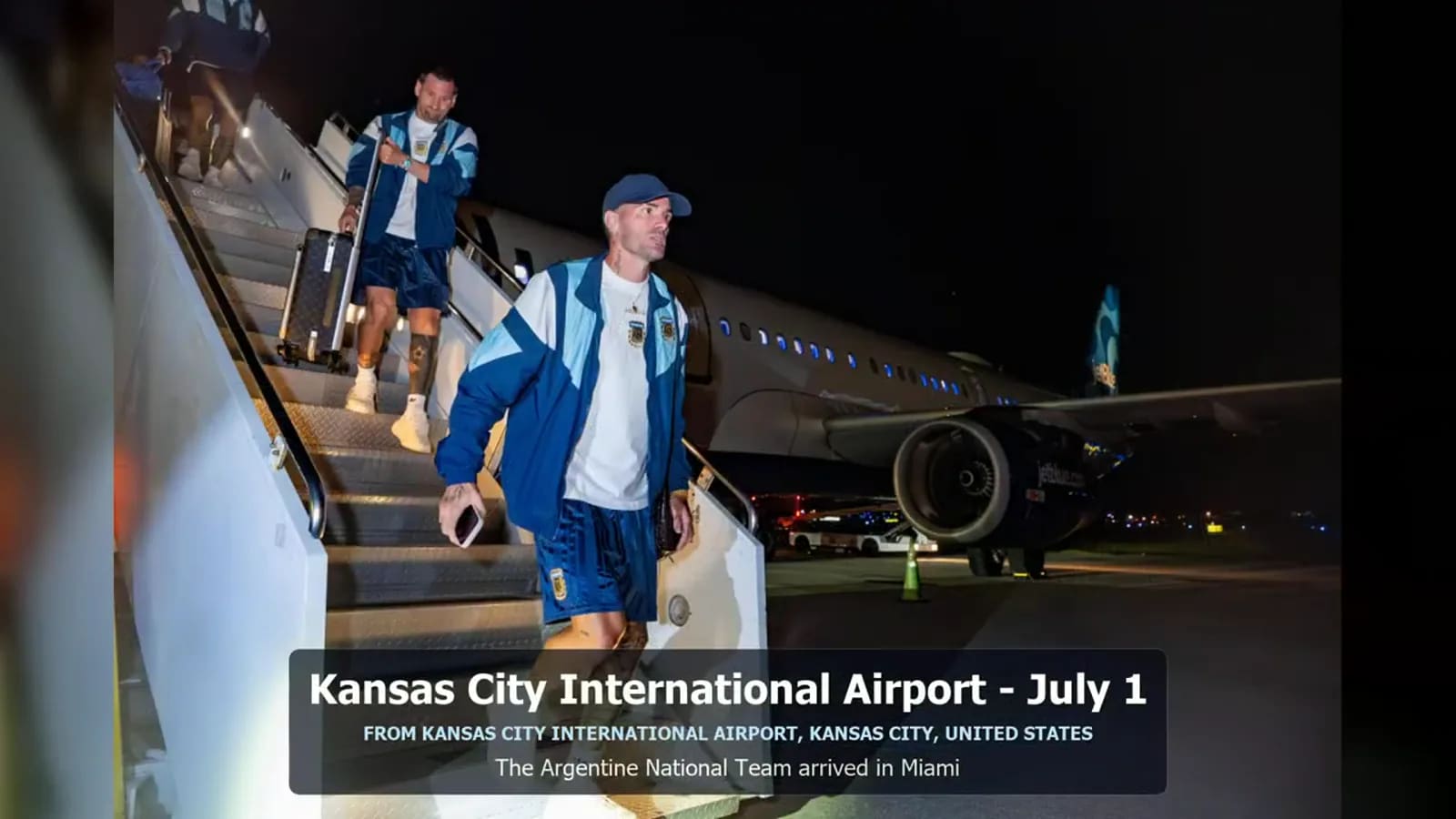
Where Was Messi Spotted? June 29-July 6 Timeline (With AlbumMap. com) starts as a dated map of public venues and travel points. The first stop is Sporting KC Training Centre on June 29. The route then names Kansas City International Airport on July 1, Florida Blue Training Center on July 2, and Hard Rock Stadium on July 3.
The final stops are Hartsfield-Jackson Atlanta Airport on July 5 and Kennesaw State University on July 6. A route recap ends the video. Each stop has a visible date and a named public place. The video does not try to fill in every hour between those stops.
That is the main lesson. Pick public places that explain a completed story. Start with a date range. Move from one checked stop to the next. End with a simple route recap. The scenes move through Kansas City, Florida, and Georgia, but they do not turn public places into a record of personal whereabouts.
A date and venue can support a narrow claim. They can show a public event, venue stop, or airport point. They do not prove plans, lodging, companions, or later travel. Keep each caption within the limits of the source.
Set the rules before you collect sources
Write one sentence about the scope before you open a map. For example: "This recap covers confirmed public tournament events from May 2 to May 9." This gives the story a start, an end, and a clear reason to leave other details out.
Decide what can count as a stop. Good choices are a match, award event, press event, official training session, public fan event, or named public venue in reliable reporting. A public airport point may fit when it helps link two checked events. A hotel, restaurant, private home, or rumor does not fit.
Use past tense. Say "appeared," "played," "attended," or "was listed on the official schedule." Do not write as if a person is there now. Wait until an event is over before you make a public event timeline map.
Build each timeline row with six facts
Give every proposed stop six fields: date, event, city, venue, source, and confidence. Add a short note only when it explains why the stop matters. This format is easy to read and easy for an editor to check.
Use the event name, not a loose phrase such as "spotted nearby." Name the city only when the source names it. Use the public venue when it helps the story. For a stadium or airport, the public facility is often enough. Do not add a home, hotel, or other private place.
Save the full source link with the row. Readers may not need every work note, but an editor needs a path back to the public record. If two sources give different dates or venues, do not guess. Check the conflict. If it remains, leave the row out.
Sports travel timeline source verification
Start with sources that have a direct reason to know the fact. An event organizer, league, club, venue, verified athlete account, or official result is stronger than a repost. A trusted news report can add context, but an official record is best when one exists.
Keep confirmed appearances apart from guesses. A confirmed appearance has a clear public source, such as an event listing, club notice, venue program, verified organizer post, or post-event recap. Rumors may begin with an unclear image, fan claim, anonymous account, or a guess based on an earlier stop. Do not put a rumor on the map as fact.
One strong first-party source can support a basic event row. Use two separate public sources when you can for an airport or other travel point. If you only have a rumor or an image with no date, leave it out.
Use confidence labels that readers can understand
Use High when an official public source confirms the date, event, and public venue. Use Medium when solid public reporting supports the event but an official source does not state every detail. Keep Low in your work notes while you seek better proof. Do not publish a low-confidence travel claim as a map stop.
Confidence does not mean a claim is exciting. It shows how well public evidence supports the claim. A plain label helps readers tell a fact from an assumption.
If a fact changes after publication, correct that row and update the visible last-verified date. Do not make a stronger claim just because it is often repeated online.
Sports source verification matrix
Use this matrix before you make a scene, add a pin, or write a caption. It is for completed public events. Replace the sample values with evidence from your own finished story.
| Date | Event | City | Public venue | Source | Confidence |
|---|---|---|---|---|---|
| 2026-05-02 | Opening match | Sample City | Sample Stadium | Official event schedule and result page | High |
| 2026-05-05 | Public media event | Sample City | Sample Arena | Venue calendar plus organizer post | High |
| 2026-05-07 | Tournament round | Sample City | Sample Sports Centre | Reputable public report; official venue detail not found | Medium |
| 2026-05-09 | Unconfirmed travel claim | Not published | Not published | Unverified social claim only | Do not publish |
Turn verified rows into a map story
After you check the rows, sort them by date. Give each stop one job: set up the event, explain a change, or move to the next public venue. Keep captions brief. A date, event, venue, and confidence label may be enough.
A sports map video works when place adds meaning. A stadium can show where a final took place. A public training centre can mark an official appearance. An airport can link two checked public events. If a place does not help the story, use the event name and skip the pin.
AlbumMap can help when a team, family, or fan group has permission to share photos, short videos, written memories, and public locations from a finished sports story. Ask each contributor for one approved item, the date, the public event or venue, and a short note. Build the route after the story is done.
Copy-ready examples
Source request: "Please send the public event name, date, city, venue, a link to the official source, and one photo or short clip you have permission to share. We will use only completed public events."
High-confidence caption: "July 6 — Public event at Kennesaw State University. Source: approved first-party video. Confidence: High."
Careful uncertainty note: "A public report mentions this possible stop, but no official event source confirms the date and venue. It is not included in the final map."
Sources and verification
Last verified: 2026-08-09. Data cutoff: 2026-08-10. This guide is for completed public events only. It does not support live tracking, private-location maps, or guesses about future travel.
Check every public source again before you publish, especially when you update the article. The AlbumMap video is first-party evidence for the dated scenes in this guide. Use official event, league, club, and venue sources for other timelines.
Examples You Can Copy
Contributor source request
Please send the public event name, date, city, venue, official source link, and one approved photo or short clip. We will use completed public events only.
Verified caption
July 6 — Public event at Kennesaw State University. Source: approved first-party video. Confidence: High.
Exclusion note
This possible stop is not included because no official or reliable public source confirms its date and venue.
Final Thoughts
A careful public sports timeline does not need every stop. It needs the right completed events, clear sources, and honest confidence labels. Build the record first. Then use the map, photos, clips, and messages to tell the finished story without turning public information into private tracking.
Helpful answers
Frequently asked questions
What is a safe source for a public sports timeline?
Start with an official event organizer, league, club, public venue, verified athlete account, or published event result. Use reputable reporting for context, but do not rely on anonymous posts or unverified screenshots.
Can I include an airport in a public event timeline map?
Only when it is part of a completed public record and helps connect already-confirmed public events. Label the airport as a public travel point. Do not infer a destination, hotel, private address, or later movement.
How should I handle speculation about an athlete tournament route?
Do not map it as fact. Look for an official public source or reliable independent confirmation. If the evidence remains weak, leave it out.
When does AlbumMap make sense for a sports recap?
AlbumMap is useful when approved photos, clips, written messages, and meaningful public event locations from several people can become one finished, map-led story.