Introduction
A soccer tournament map turns a finished set of matches into a story people can follow. Start with official match dates, public venues, final scores, and one clear moment from each game. Put the matches in order. The result is not a live route or a record of private travel. It is a simple look back at a team's public tournament path. Spain's 2026 FIFA World Cup run is a helpful model. The team played in Atlanta, Guadalajara, Los Angeles, Dallas, and New York New Jersey.
Those match places make a clear path from the group stage to the final. You can use the same plan for a school team, club, or national side after its tournament is over.
What the video shows
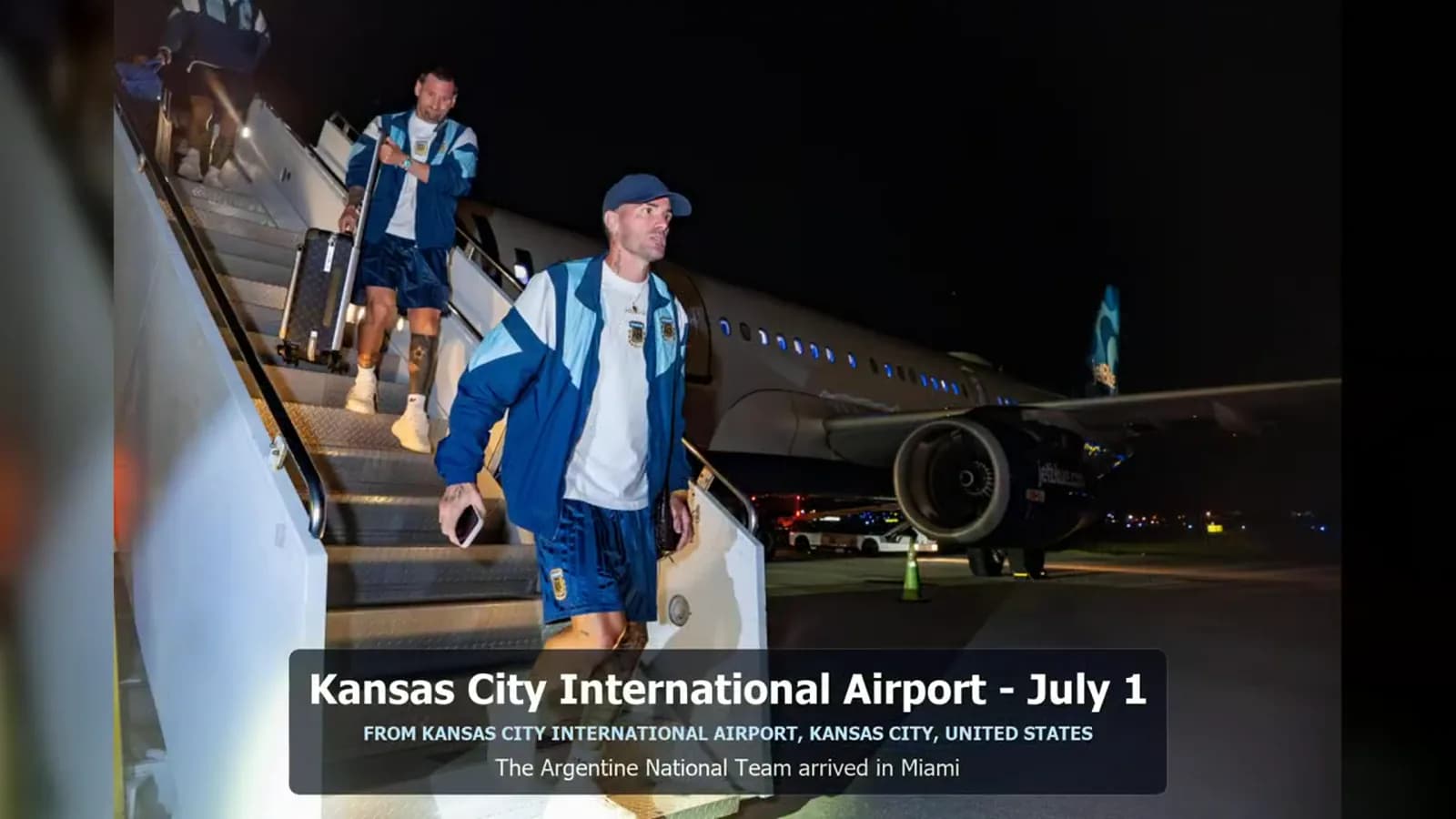
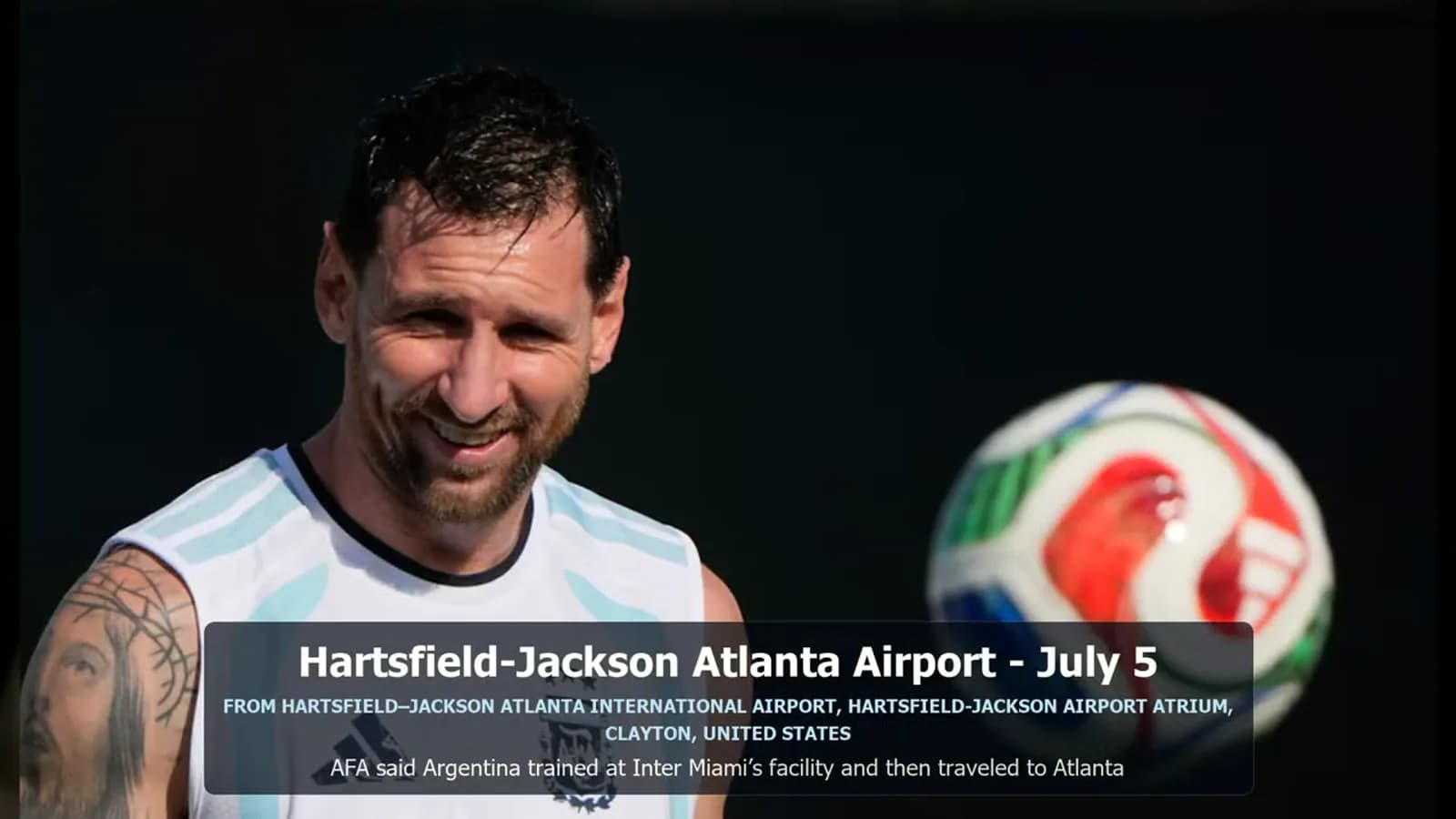
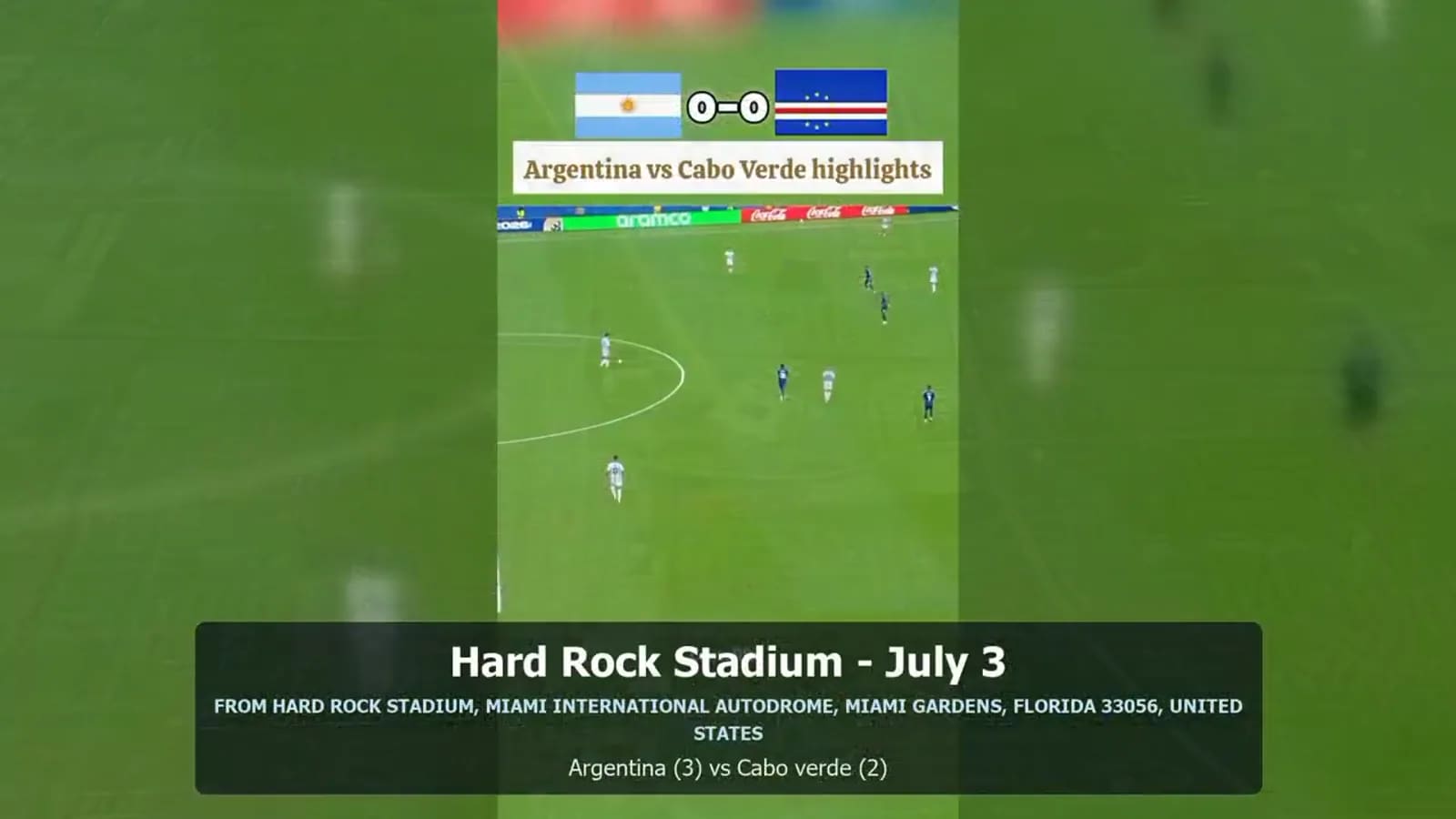
The video starts with a dated map of public events. At four seconds, it shows Sporting KC Training Centre on June 29. It then shows Kansas City International Airport on July 1, Florida Blue Training Center on July 2, and Hard Rock Stadium on July 3. The last stops are Hartsfield-Jackson Atlanta Airport on July 5 and Kennesaw State University on July 6. A route recap ends the video at 72 seconds. The useful idea is its simple shape. Each stop has one date and one named public place. The story moves through Kansas City, Florida, and Georgia.
It does not try to show every minute between stops. A tournament video can use the same beat: date, match venue, score, one chosen moment, then the next public match. The video also sets a clear limit. It is a finished June 29 to July 6 story of public places. Do not turn it into claims about private movement, current places, or future plans. For a soccer recap, use official venues and results. Do not guess how or where a team moved between matches.
Build your soccer tournament map from official records
Pick one finished tournament and one team. Open the event organizer's fixture and results page first. Make one row for each match. Add the date, round, opponent, public stadium, city, score, and one moment that an official record supports. Use the match venue as the map pin. A pin can name the stadium or host city. It does not need an airport, hotel, team base, or street route. A line between two pins means only that the next confirmed public match was in a new place.
For Spain's 2026 World Cup run, the route starts with two group matches at Atlanta Stadium. It then goes to Guadalajara Stadium, Los Angeles Stadium, and Dallas Stadium. It returns to Los Angeles, then Dallas, before the final at New York New Jersey Stadium. A return to a city is part of the story. A map does not have to be a straight line to be clear.
Tournament journey table: Spain's completed 2026 World Cup route
Use this table as a plan before you edit. The Spain rows are a finished public case study from FIFA match reports and results. “Map leg” means the next official match city. It does not state a private route, travel method, or travel time. For your own team, replace these facts with details from the event organizer. If a score or venue is not confirmed, leave it out until you can check it.
| Date and round | Opponent | Official public venue | Result | Verified highlight | Map leg to next match |
|---|---|---|---|---|---|
| June 15, Group H | Cabo Verde | Atlanta Stadium, Atlanta | Spain 0-0 Cabo Verde | Opening match ended level. | Atlanta to Guadalajara: next official match city. |
| June 21, Group H | Saudi Arabia | Atlanta Stadium, Atlanta | Spain 4-0 Saudi Arabia | Lamine Yamal and Mikel Oyarzabal scored; the fourth goal was an own goal. | Atlanta to Guadalajara: next official match city. |
| June 26, Group H | Uruguay | Guadalajara Stadium, Guadalajara | Uruguay 0-1 Spain | A narrow win completed Spain's group stage. | Guadalajara to Los Angeles: next official match city. |
| July 2, Round of 32 | Austria | Los Angeles Stadium, Los Angeles | Spain 3-0 Austria | Mikel Oyarzabal scored twice and Pedro Porro also scored. | Los Angeles to Dallas: next official match city. |
| July 6, Round of 16 | Portugal | Dallas Stadium, Dallas | Portugal 0-1 Spain | Mikel Merino's late winner sent Spain to the quarter-finals. | Dallas to Los Angeles: next official match city. |
| July 10, Quarter-final | Belgium | Los Angeles Stadium, Los Angeles | Spain 2-1 Belgium | Fabian Ruiz scored, then Mikel Merino scored late. | Los Angeles to Dallas: next official match city. |
| July 14, Semi-final | France | Dallas Stadium, Dallas | Spain 2-0 France | Mikel Oyarzabal scored a penalty and Pedro Porro added the second goal. | Dallas to New York New Jersey: next official match city. |
| July 19, Final | Argentina | New York New Jersey Stadium, New York New Jersey | Spain 1-0 Argentina after extra time | Ferran Torres scored the 106th-minute winner. | Final stop: route recap. |
How to turn the table into a tournament journey video
Start with a title card. Name the team, tournament, and end date. Then make one short scene for each match. Show the date and round first. Add the score. Use one approved photo, clip, or graphic that helps people recall the game. Keep the first group match short. It sets the starting point. Give more time to a key turn, such as a late goal, a clean sheet, or a close knockout win. End with the final score, a route recap, and a note from the team or its fans.
The Spain case has a clear arc. A 0-0 draw in Atlanta starts the run. The 4-0 result against Saudi Arabia changes the mood. Late Mikel Merino goals against Portugal and Belgium add drama. The 2-0 win over France sets up the final. Ferran Torres's extra-time goal against Argentina gives the story a clear end.
Make each map stop useful
A match location map works best when each pin answers one question: what happened here? Do not place every photo at every stop. Pick media that helps the score mean more. A team photo after a win, a fan note after a hard game, or a short goal clip may be enough. For a shared project, ask people for media they can share. Ask for the match date, the public venue or city, and one line about the moment. Keep each item short. It will be easier to place it with the right game.
AlbumMap helps when several people have approved photos, clips, and notes from a finished tournament. The map can join those items to public match places. It should support the match story, not replace official facts.
Copy-ready examples
Use these short lines as prompts or captions. Change them to fit your checked tournament record.
Sources and verification
Last verified: 2026-08-10. Data cutoff: 2026-08-10. The Spain case study uses finished public FIFA World Cup 2026 matches only. Check match dates, venues, scores, and key moments against the official FIFA sources before you post. This guide does not support live tracking, private-location guesses, or claims about a team's transport, lodging, training, or movement between public events.
Examples You Can Copy
Contributor request
We are making a recap of a completed tournament. Please send one photo or short clip you may share, the match date, the public stadium or host city, and one sentence about the moment. Keep your note under 20 words.
Match card caption
July 10 — Quarter-final — Los Angeles Stadium — Spain 2, Belgium 1. Two goals and a late winner sent Spain to the semi-final.
Narration line
The route returned to Dallas for the semi-final. Spain beat France 2-0, which set up one final stop in New York New Jersey.
Closing message
Seven official matches. Five host cities. One completed tournament story to revisit together.
Final Thoughts
A good tournament video does not need every part of every trip. It needs a clear order, official match facts, and a few moments that show why each score mattered. Build the fact table first. Then add approved photos, clips, and notes that make the finished story feel personal. If your team has shared memories tied to public match places, AlbumMap can help turn them into a map-led recap that people can watch after the final whistle.
Helpful answers
Frequently asked questions
What should a soccer tournament map include?
Include completed match dates, rounds, opponents, public stadiums or host cities, official results, and a selected approved highlight. Use a location only when it helps viewers understand the tournament story.
Can I show travel legs between tournament matches?
Yes, if the leg only indicates the sequence between confirmed public match locations. Do not state or infer a private route, transport method, accommodation, or exact movement.
How do I verify a tournament journey table?
Start with the tournament organizer's official fixture and results page. Then use official match reports or highlights to confirm the score, venue, date, and key moment in each row.
How long should a tournament journey video be?
A one- to three-minute recap often works well. Give each match one short scene and save extra time for a turning point, the final, and the route recap.
When does AlbumMap make sense for a team recap?
AlbumMap is useful when approved photos, video clips, written messages, and public match locations from several people can be combined into one finished map-led story.