Introduction
Some places that look like other countries catch the eye through a mountain line, a blue-and-white street, a harbor, or a long local past. That surprise can make a trip feel special. It should not hide where you really are. This guide uses travel lookalikes to help you spot details, then learn the story of the real place. Use each comparison as a start point, not a stand-in.
Why travel lookalikes can help
A useful lookalike gives you a reason to look closer. It may be a steep roof, a canal, bright paint, or a harbor between high hills. The link works best when it points to a real thing people can see.
Keep the claim small. Say a place has a Bavarian feel, recalls a Dutch street, or has a fjord-like view. Do not say it is the same as the place in the comparison. Food, weather, language, history, and daily life may all be very different.
This can make unexpected travel destinations more fun to plan. Do not search for a copy of a famous place. Ask what feature you want to see, then find out what makes the real place worth your time.
Places that look like other countries: compare with care
The table below is a starting map, not a list of swaps. Some rows have a clear heritage link. Others are visual links only. Read the context column before you make a plan. It tells you what keeps the wording fair.
A place with Danish-style buildings in California is still part of California. A historic city in Canada has its own culture and story. Both facts can be true at once. That is what makes a comparison useful instead of flat.
Plan by feature, not by a shortcut
Start with the real reason for the trip. Do you want old streets, a mountain view, blue water, or an easy meet-up spot? Pick that feature first. Then look at places that offer it in their own way.
Give each stop enough time. A photo can make two sites look close, but a visit has weather, seasons, local rules, access needs, and people who live there. Check official visitor details before you book.
Put the real place first in your notes. Write, “Leavenworth, Washington: Bavarian-style buildings and Cascade views.” Do not write, “Bavaria in Washington.” This small change gives the place its own name.
Build a simple themed route
A theme can make a weekend trip easy to recall. Pick three to five stops that share one visual idea. You might choose old town centers, harbor views, or mountain villages. At each stop, add a museum, food stop, walk, or guided visit. Your plan then has more than a photo spot.
For a group trip, ask each person to add one map pin and one note before the trip. Try prompts such as, “What view surprised you most?” or, “What small detail do you want to keep?” These notes give the trip a human shape.
Do not force a link at every stop. The best part may be a market, a local tip, or a view with no match at all. Let the real place lead the day.
Turn the trip into a map-led memory
A visual theme can work well for a group recap. Ask each person for one photo or short clip, the exact place, and a line that starts, “This reminded me of …” The answer can be light. But it should name something seen in the scene.
AlbumMap helps when memories sit on many phones. Your group can bring together photos, clips, notes, and locations. A route can then join the moments. The goal is not to make each stop match a new country. The goal is to show where your group went and what each person saw.
Keep captions short. “Blue doors and bright walls” says more than a large claim about a whole place. It helps the viewer see the detail and leaves room for the real story.
Three ways to keep the wording fair
Name the real place before the reference place. This keeps the caption about the place in front of you, not a famous place far away.
Name the feature you can see. Mountains, canals, painted walls, roofs, and bays are clear. Broad claims about a whole country are not. One town cannot speak for all of Greece, Switzerland, Denmark, or any other country.
Add one short line of context. Mention a heritage link when there is one. If there is not, say the link is visual only. This makes the idea more kind and more useful.
Copy-ready examples
Use these lines in a trip plan, photo caption, or group memory request. Change them to fit the scene you saw.
Keep the tone open and curious. A good comparison starts a talk. It does not call a place a substitute or turn a community into one style.
What the video shows
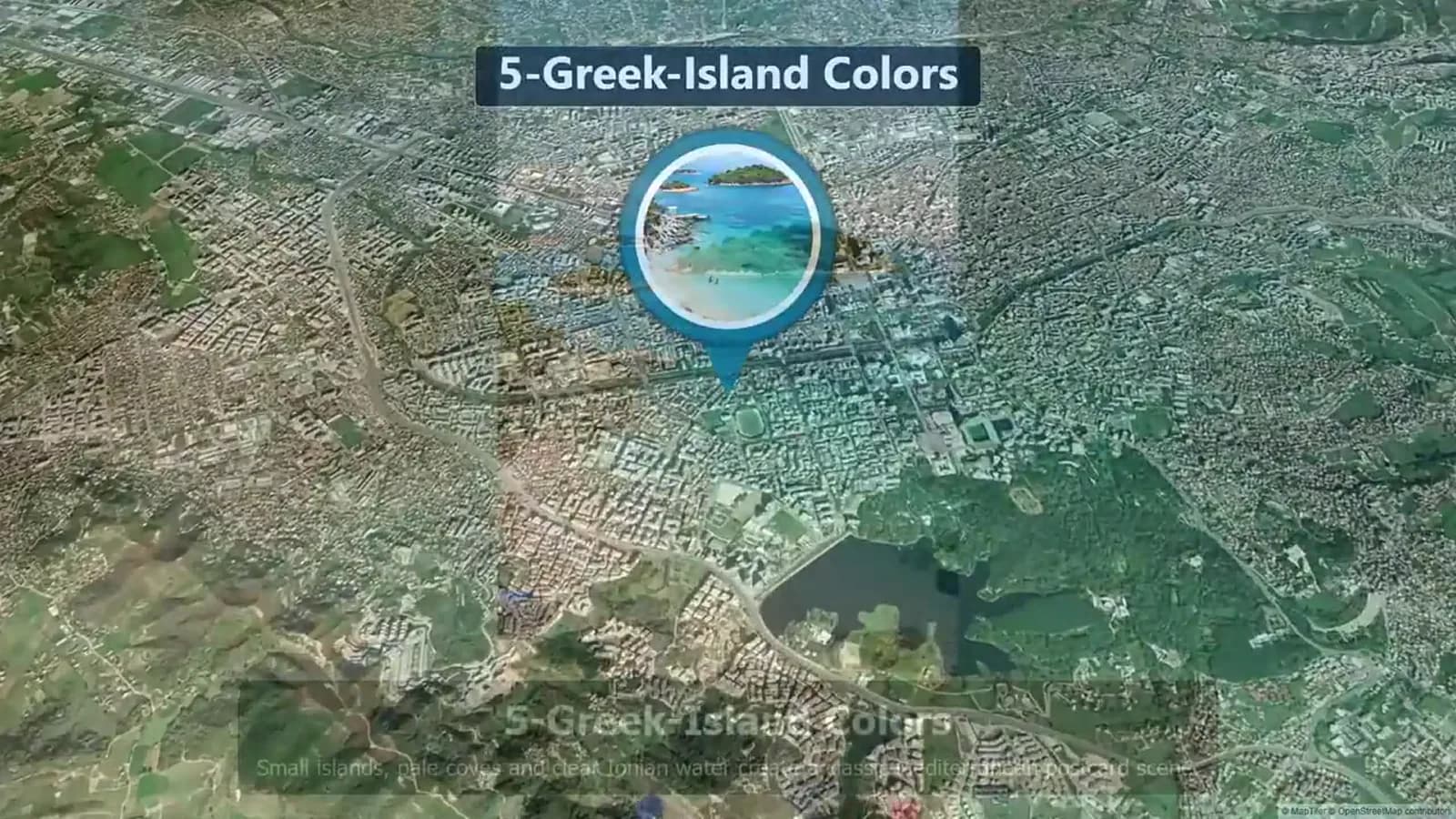
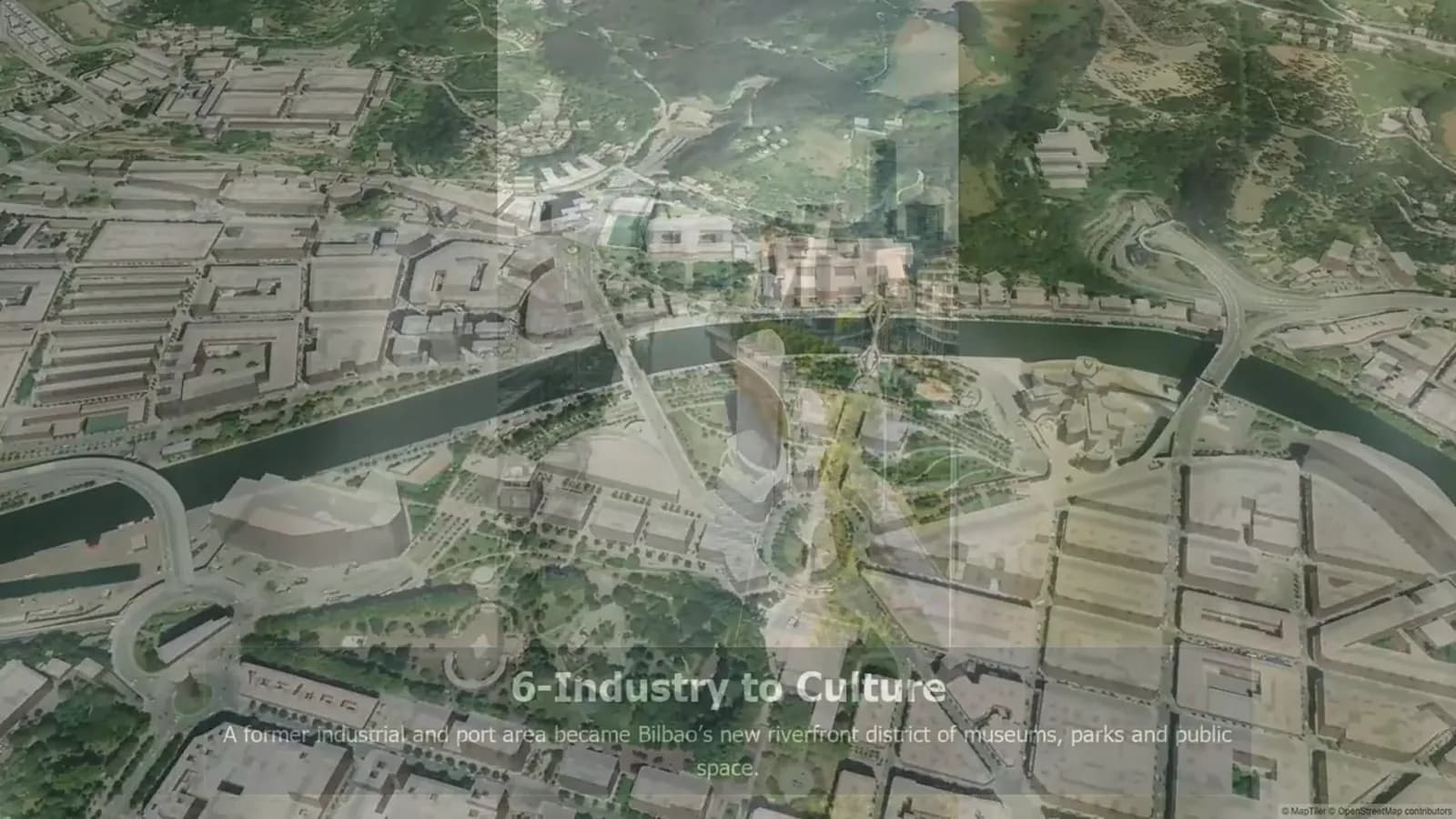
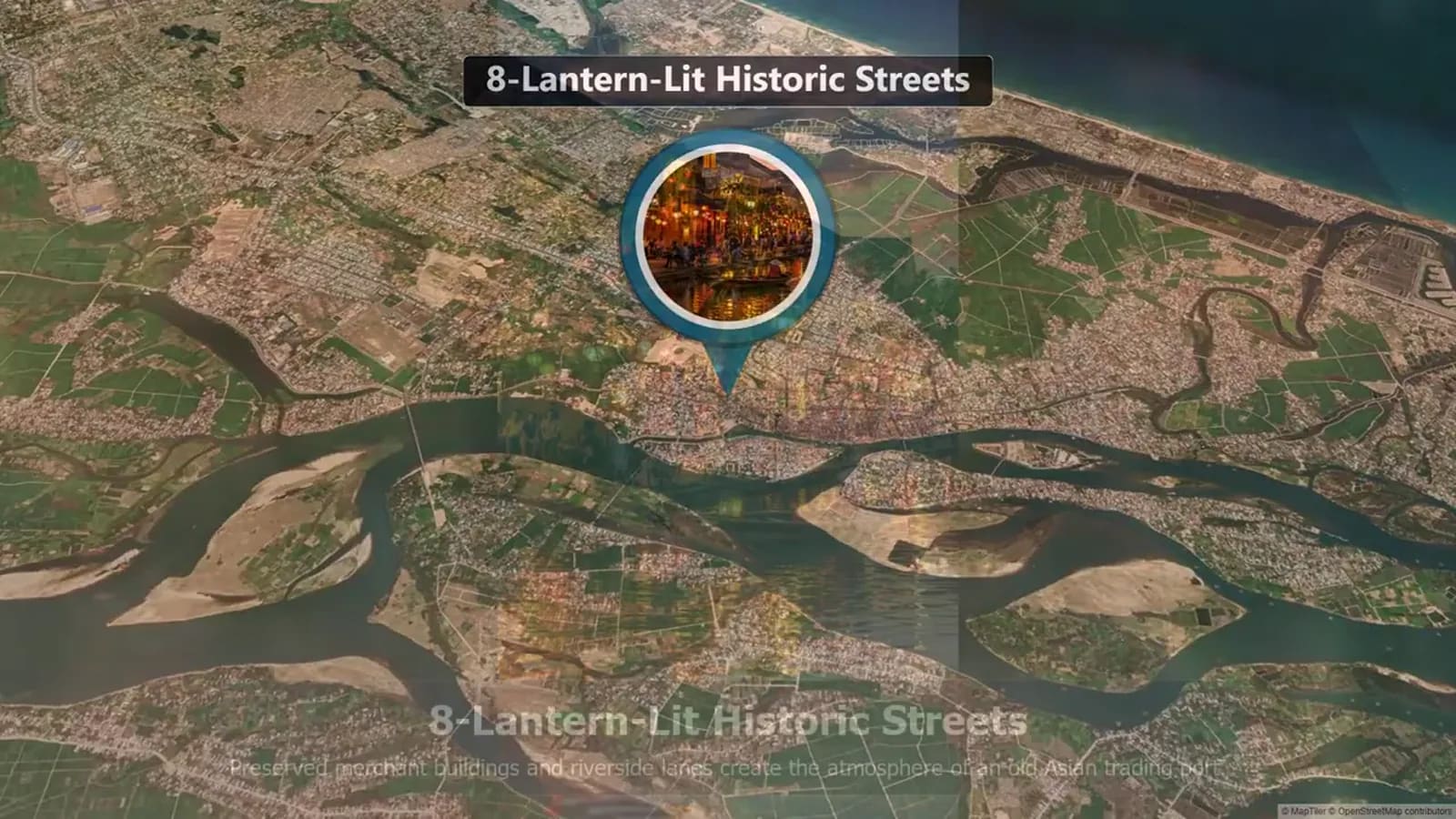
The video shows how a visual link can work in a fast format. It moves from a Swiss-Alps feel in Canada to Bavarian-style scenes in the Cascades, lantern-lit old streets, and a blue-toned city.
Later scenes use cliff views, white-and-blue color, bright water, island shapes, a bay with a fjord-like form, and canals that recall Venice. These links rest on features you can see: mountains, streets, color, cliffs, water, islands, bays, and canals.
The map moves help keep the place changes clear. This guide adds what a short video cannot: careful words, local context, and planning prompts.
Final thoughts
The best travel lookalikes do not make the world seem smaller. They help you see how places can share a shape, color, or mood while staying fully themselves. Start with what you see, check the local story, and let the real place lead.
Have a shared trip full of location-based memories? Bring the photos, short videos, messages, and pins together in a map-led video your group can revisit.
Sources and verification
Last verified: 2026-08-09. This guide uses visual comparisons, not travel-equivalency claims. Visitor details, access, hours, and local conditions can change. Check official local sources before travel.
Data cutoff: 2026-08-09. Review this article every 12 months, or sooner if official destination details change.
Verified location lookalike table
Use this table as a careful visual guide. The comparison identifies a visible resemblance or documented heritage connection; it does not say that the destinations are identical.
| Real location | Visual reference | Why the resemblance reads visually | Context to keep accurate | Planning prompt |
|---|---|---|---|---|
| Leavenworth, Washington, United States | Bavaria, Germany | Timbered facades, flower boxes, mountain backdrop, and a deliberately Bavarian-style town center. | Leavenworth is in the Cascade Mountains and has its own Washington history and community. | Pair the town walk with a Cascade landscape stop. |
| Solvang, California, United States | Denmark | Danish-style windmills, half-timbered details, bakeries, and village-scale streets. | The city reflects Danish-American heritage in California; it is not Denmark. | Look beyond the main street for local history and nearby Santa Ynez Valley scenery. |
| Pella, Iowa, United States | The Netherlands | Dutch-inspired architecture, canal-style features, tulips, and a windmill create a Dutch visual reference. | Pella’s Dutch heritage is part of its local story in Iowa. | Plan around seasonal events, then include the town’s own museums and food. |
| Holland, Michigan, United States | The Netherlands | Tulips, Dutch-style landmarks, and a lakeside town center create a familiar Dutch visual cue. | The place is a Michigan city with Dutch-American roots and Great Lakes conditions. | Check bloom timing and explore the Lake Michigan setting too. |
| New Glarus, Wisconsin, United States | Switzerland | Alpine-style facades, Swiss names, and rolling green surroundings suggest a Swiss village image. | The town reflects Swiss settlement history in Wisconsin. | Use the comparison as an architectural lens, then learn the local settlement story. |
| Lindsborg, Kansas, United States | Sweden | Dala-horse imagery, Swedish design references, and heritage buildings create a Swedish visual association. | Lindsborg’s Swedish heritage is part of Kansas history, not a replacement for Sweden. | Add a local art or heritage stop to the itinerary. |
| Tarpon Springs, Florida, United States | Greece | A waterfront Greek community, food, and sponge-dock setting can evoke a Greek harbor mood. | The Greek connection comes from a specific local immigrant community in Florida. | Learn about the sponge-diving history rather than treating it as a themed backdrop. |
| St. Augustine, Florida, United States | Spain | Coquina buildings, courtyards, and historic streets can recall Spanish colonial architecture. | Its long and complex history includes Indigenous peoples, Spanish and British colonial periods, and modern Florida. | Visit historic interpretation sites for more than the street view. |
| Frankenmuth, Michigan, United States | Bavaria, Germany | German-style building details, riverfront scenes, and a compact pedestrian center suggest a Bavarian visual theme. | Frankenmuth is a Michigan community shaped by German-American heritage. | Include local history alongside the popular visual landmarks. |
| Québec City, Québec, Canada | France | Stone streets, fortified old-city views, French language, and historic architecture can recall parts of France. | Québec City is distinct: it is a Canadian city with Québécois culture and its own history. | Explore the city as Québec first, not as a stand-in for France. |
Examples You Can Copy
Copy-ready photo caption
“Leavenworth, Washington: the timbered buildings gave us a Bavarian-style visual moment, while the Cascade setting made the stop its own.”
Copy-ready group prompt
“Send one photo or clip, the exact place, and one sentence: What did this view remind you of? Name a feature you can see, not just a country.”
Copy-ready itinerary note
“We chose this stop for the harbor and steep hills. The link is visual only. We will use the local visitor guide to learn what makes the area distinct.”
Final Thoughts
Let a visual comparison help you notice a place, then let the real destination tell the rest of the story.
Helpful answers
Frequently asked questions
Are travel lookalikes the same as destination dupes?
Not always. A travel lookalike is usually a visual comparison. A destination dupe may also suggest a different cost, crowd level, or trip style. Treat both as research prompts, not promises.
How can I describe a place that resembles another country accurately?
Name the actual destination first, point to a visible feature, and use wording such as “has a feel of” or “recalls.” Add heritage or local-history context when relevant.
Should I visit a travel lookalike instead of the famous place?
Choose based on the experience you want. Similar-looking photos do not make two destinations alike in culture, activities, climate, or history.
Can I make a group travel video from photos only?
Yes. Use a few strong photos per location, a short caption, a written memory, and a map movement between stops.