Introduction
Some trips bring to mind a place far away. A steep mountain view may feel alpine. A narrow stone street may feel old-world. Blue water, white walls, cliffs, and canals can do the same. This guide to places in North America that look like Europe is not a claim that any town or landscape is a copy of another. It is a simple way to notice visual details, plan a thoughtful route, and give each real place its own story. Use these comparisons as a starting point, not a label. Look closely at the view.
Learn what makes the destination special on its own terms. Then save the moments that matter: a photo at a lookout, a short clip from a walk, a note about a meal, or a pin for the place where the day changed.
Places in North America That Look Like Europe: Start With the Details
The best comparisons are small and clear. Say what you can see. You might notice steep peaks, flower boxes, stone walls, a harbor, or a row of old lamps. This keeps the idea honest. It also helps a traveler know what to look for.
Avoid saying that a destination is the same as a city or country across the ocean. It is not. A place can share a mood, a shape, or a color without sharing its full history. Name the real destination first. Then describe the feature that brought another place to mind.
This approach is better for planning, too. A visitor may be drawn by an alpine feel, but the real goal is a good day in the place they chose. Check local hours, access, weather, and rules before you go. Let the comparison open the door. Let the local experience do the rest.
Plan a Route by Architecture, Landscape, and Atmosphere
A useful travel-lookalike route has three simple lenses. Architecture covers buildings, streets, bridges, and public spaces. Landscape covers mountains, cliffs, water, islands, and bays. Atmosphere covers light, color, sound, and the pace of a walk.
Pick one or two stops from each lens. This gives your trip variety. A morning street walk can lead to a mountain view. A waterfront stop can follow a market or museum. You do not need to chase a perfect match to another destination. You only need a route that feels good for your group.
Write a short reason beside every pin. For example: “stone lane at sunset,” “bright water from the trail,” or “quiet canal view.” These notes are more useful than a broad claim. They also make it easier to sort photos when the trip is over.
Use Architecture Without Flattening Local History
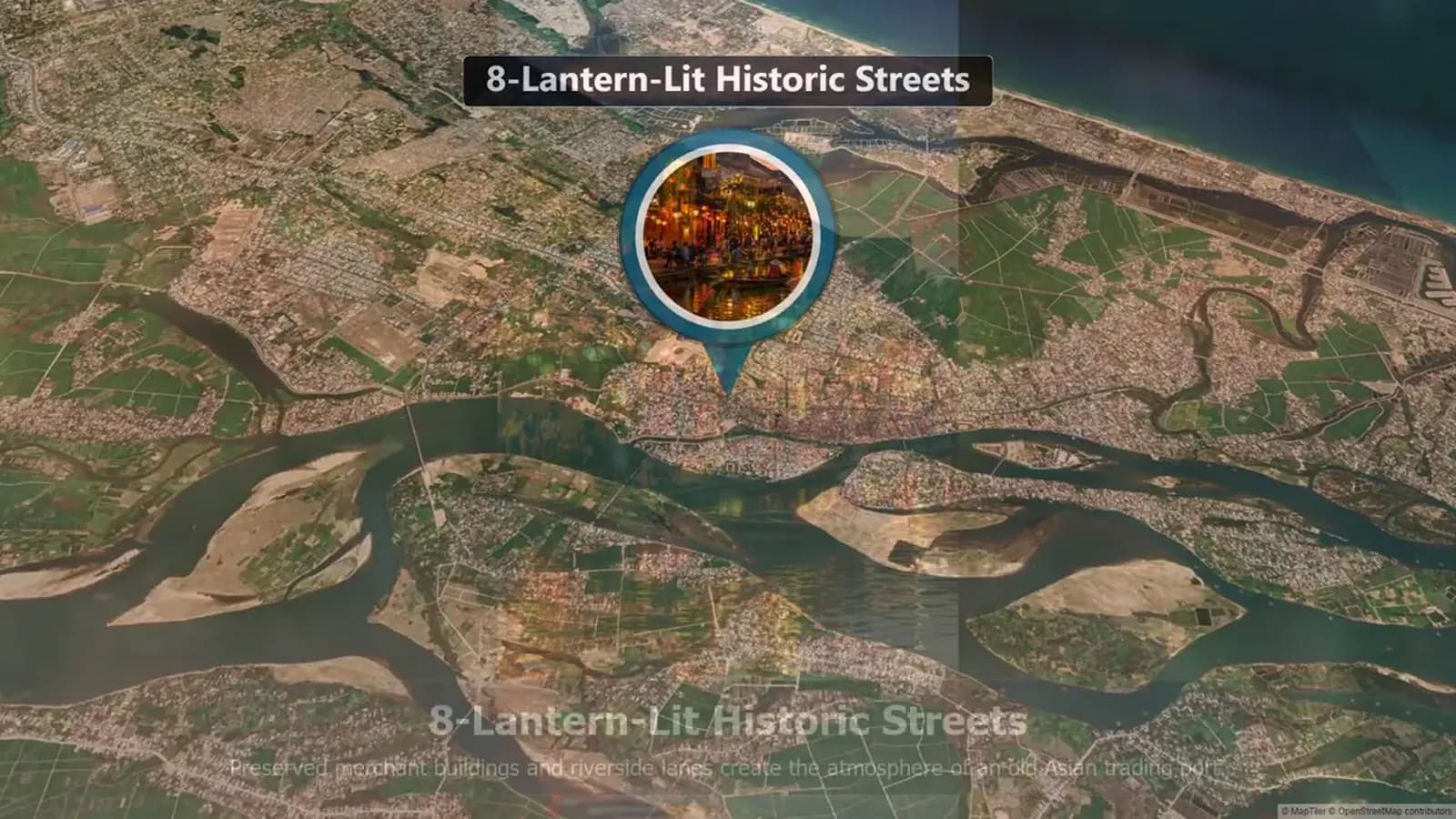
Historic streets often create the strongest first impression. Brick, stone, balconies, archways, and lanterns can make a walk feel rich and close. A compact center may also be easy to explore on foot. Those are fair things to describe.
Still, old buildings are not just a backdrop. They hold local stories. If you write about a street, add one fact that tells readers where they are. Mention the town or neighborhood by name. Encourage readers to visit local sites, shops, guides, and museums with care.
A good caption can be short: “The lanterns and close-set buildings made this evening walk feel timeless.” It describes a feeling without borrowing another place's identity. It also leaves room for the real destination to speak for itself.
Let Mountains and Cliffs Set the Mood
Mountains can make a North American trip feel grand and far from home. Sharp ridges, green valleys, lakes, and snow views may bring the Alps to mind. A cliff road or bright coast may suggest an Italian seaside scene. These are visual links, not promises of the same trip.
Plan for the view you want, then plan for the day you need. Ask how long the walk is. Check if the road is open. Bring water and layers. Leave time to stop. A rushed drive-by does not give a group much to remember.
When you take photos, mix wide scenes with close details. Capture the ridge, then the trail sign, boots, wildflowers, or a shared snack. The wide shot shows the setting. The small shots show what the day felt like.
Notice Color Around Water and Islands
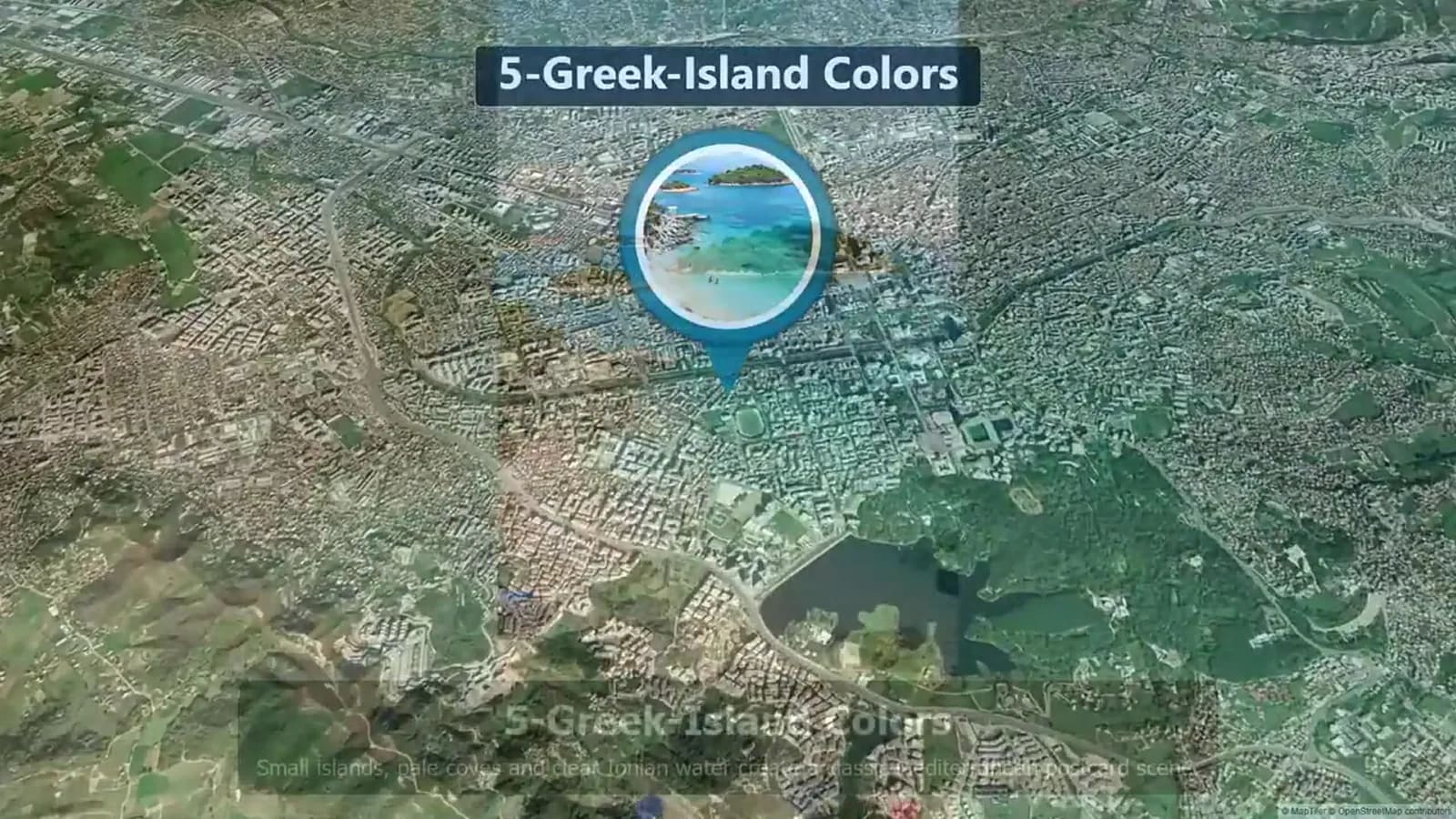
Color is often the easiest link to spot. White walls and blue paint can bring Greek-island images to mind. Clear water may feel tropical. A small island, a curved bay, or a long waterfront can change the mood of a whole day.
Keep the words simple. Say “blue-and-white color palette” or “bright water and open sky.” Do not call a place a stand-in for another country. The weather, season, and time of day will shape what you see. A cloudy morning and a late sunny hour can feel like two different trips.
Water also gives a group easy memory markers. Save the first view from the shore. Record a few seconds of waves or boat sounds where rules allow. Ask each person for one sentence about the view. Those small pieces can become the heart of a shared recap.
Build a Slow, Realistic Day
A strong route has room to breathe. Choose a main stop, a nearby walk, and a simple meal break. Add one backup plan for rain or a change in energy. This is more useful than trying to reach every scenic point in one day.
Give each person a small role. One person can save map pins. Another can take group photos. Someone else can collect short clips or notes. No one has to document everything. The goal is to keep enough pieces to tell the story later.
At the end of the day, sort the material while it is fresh. Label each photo with the stop or area. Keep the best clip from each place. Write down the small surprise, the wrong turn, or the joke everyone remembers. Those details make a recap feel human.
Europe-like North America itinerary — consolidation outline
Use these itinerary categories to keep a Europe-specific travel-lookalike route organized and respectful. Confirm current destination details before publishing.
| Itinerary lens | Use in the article | Editorial safeguard |
|---|---|---|
| Architecture | Group verified stops by visible building details, streets, and public spaces. | Name the real destination first and provide its own context. |
| Landscape | Group mountain, coast, vineyard, or fjord-like views by scenery. | Describe a visual resemblance rather than an equivalent trip. |
| Atmosphere | Group walkable historic areas, color palettes, and waterfront scenes. | Do not reduce local culture to a European comparison. |
Examples You Can Copy
Safe consolidation note
“These comparisons point to visible features and atmosphere. Each destination has its own history, culture, and travel experience.”
Safe AlbumMap prompt
“Send one photo or short clip, its location, and one detail that made the place memorable. We will build a map-led recap of the trip we actually took.”
Final Thoughts
A place does not need to be a copy of somewhere else to feel memorable. Use visual comparisons with care, plan a route that fits your group, and keep the real moments tied to their real locations. Let the broader AlbumMap travel-lookalike guide serve readers who want comparisons beyond Europe.
Helpful answers
Frequently asked questions
Can a place be described as feeling like Europe?
Yes. Point to a visible feature or mood, such as cliffs, stone streets, mountains, canals, or color. Make clear that the real destination has its own history and culture.
How is this guide different from a broader travel-lookalike article?
This article is limited to Europe-specific visual references. A broader AlbumMap guide can cover comparisons to places around the world, so readers should be directed there for that wider scope.
How can I plan a careful travel-lookalike route?
Choose stops by architecture, landscape, and atmosphere. Keep the route realistic, name each real destination first, and verify current visitor details with official local sources.
How can a group preserve the trip after it ends?
Save a few photos, clips, notes, and location pins from each stop. AlbumMap can arrange those pieces in route order as a shared map-led travel story.