Introduction
A Northern Ontario to Calgary road trip moves through very different places. It can begin with lakes and rock, open into prairie sky, reach the Rockies, and end in a city. That is why a simple video itinerary helps. It gives each part of the trip a clear place in the story. Use this guide to plan broad chapters, save a few useful map points, and gather the photos and clips you will want later. Confirm all live travel details for your own dates.
What the video shows
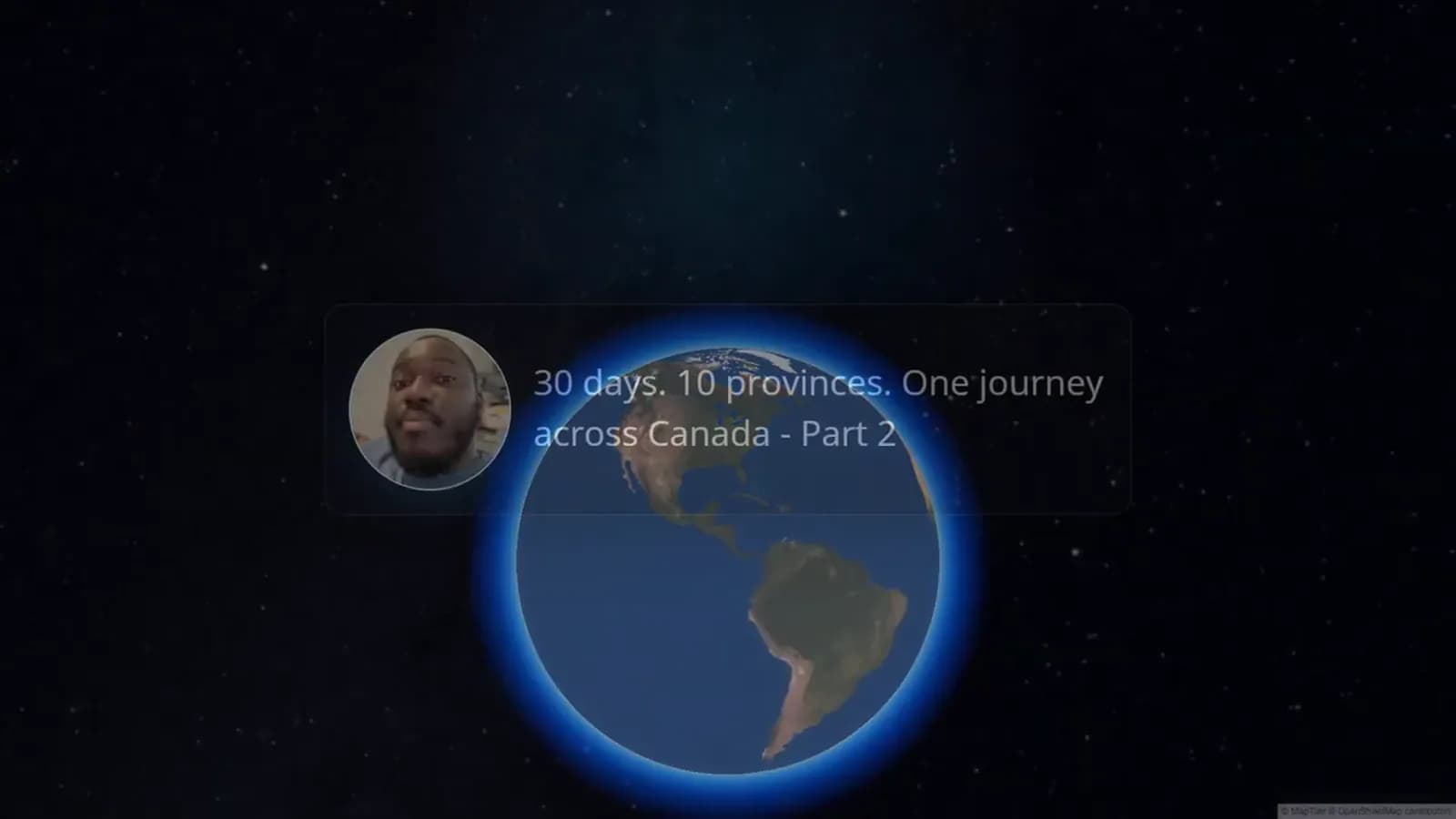
The AlbumMap video is Part 2 of a 30-day Canada journey. Day 15 begins in Northern Ontario. Day 16 moves across the Prairies. Day 20 reaches Banff and the Rockies. Day 30 reaches Calgary. A final recap closes the route.
This is a storytelling model, not a fixed travel plan. You may take fewer days, stop in other places, or skip the mountain section. The useful idea is simple: give each big change in place a day label and a short chapter.
Build a video itinerary before you build a shot list
Start with the time you have. Then split the drive into broad regions. Think of Northern Ontario, the Manitoba changeover, the prairie stretch, the Alberta approach, a Rockies section if it fits, and Calgary. Your true route depends on where you begin and where you stay.
Give every region one small job in the story. Northern Ontario can set the scale. The Prairies can show open space. The Rockies can mark a big visual change. Calgary can give the trip an ending. This keeps your recap easy to follow.
Do not plan a clip for every mile. Plan one opening image, one people moment, and one closing detail for each region. This light plan leaves room for rest, meals, surprise stops, and changes in weather or energy.
Northern Ontario to Calgary road trip video chapters
Use the table below as a video-itinerary planner. Its map points are broad anchors, not live directions. Add your real overnight, bookings, and current travel checks in your own trip notes.
For each chapter, collect three things. Take one wide scene to show the place. Take one human moment to show who was there. Take one small detail, such as a coffee cup, wet jacket, snack, motel key, or road sign. Small details often bring a day back to life.
Choose overnights that leave room for the story
An overnight is more than a place to sleep. It can be the end of one chapter and the start of the next. Pick a town or city that gives your group a real break. Then check rooms, services, and local conditions before you go.
Do not choose a stop only by the kilometres left. Think about how the last day felt. You may need groceries, laundry, a slow meal, or time away from the car. A lighter day after a hard drive can help everyone enjoy the next part.
At the end of each day, add one sentence to a shared note. Say where you stopped, what changed, and what you want to remember. That sentence can become a caption or a short transition in the finished video.
Save map points with a reason
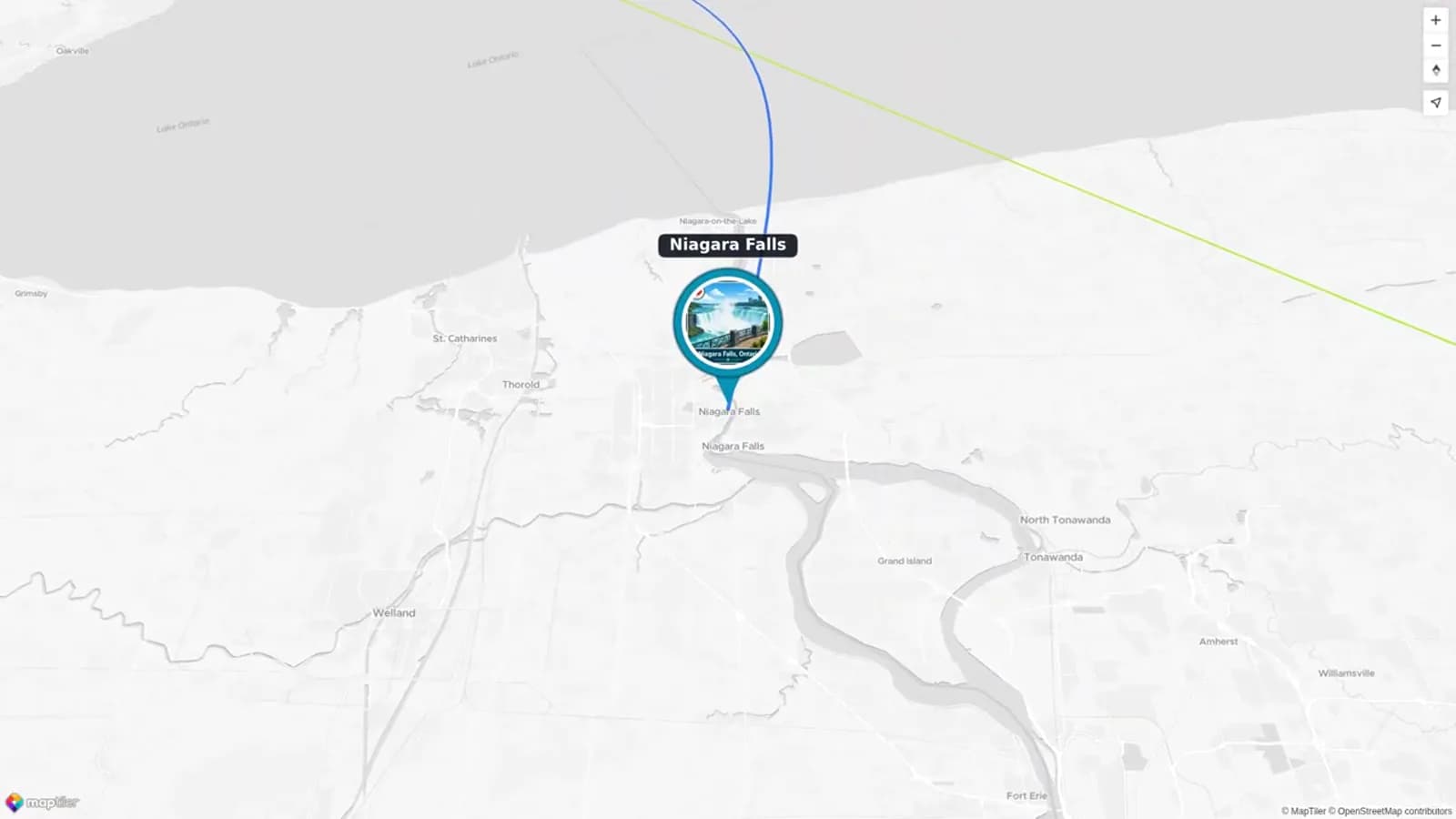
A map story does not need every fuel stop. Save places that explain movement or meaning. Good choices include a first Northern Ontario overnight, a Lake Superior or roadside viewpoint, the Manitoba border area, a prairie break, a first mountain view if you visit one, and Calgary arrival.
Use broad places when privacy matters. A town name is often enough. Save an exact point only when it is central to the story and everyone is happy to share it. This keeps the route clear without showing more than you mean to show.
Ask each traveler to choose one pin. One person may choose breakfast. Another may choose a view, a family visit, or the first sign of a new landscape. Those choices make the final story feel shared.
Keep the footage simple
Short clips work well. Ten calm seconds can be enough for a view while parked, grass moving in wind, luggage at a motel, dinner, or a friend naming the day. You are gathering transitions, not making a live report from the road.
At the start of each region, take one orientation clip. It could show a map on a phone while parked, a town sign where allowed, a spoken note, or a wide view. At the end, take a closing detail. Try a hotel window, boots by a door, dinner, or a short thought from the group.
Choose one clear photo or clip as the marker for each major chapter. Name it with the day and broad place. For example, use "Day 16 - Prairies - wide sky." Clear names make sorting much easier after a long trip.
Use the video moments as editing cues
The video opens with a Part 2 title. It then shifts from Day 15 in Northern Ontario to Day 16 across the Prairies. Your recap can show a similar change with a short title card, a map move, or one new scenic clip. You do not need a long voiceover.
Banff and the Rockies arrive as a major visual change on Day 20. Use your own strongest change in scenery as a break between chapters. It may be water and rock giving way to open sky. It may be prairie sky giving way to mountain roads.
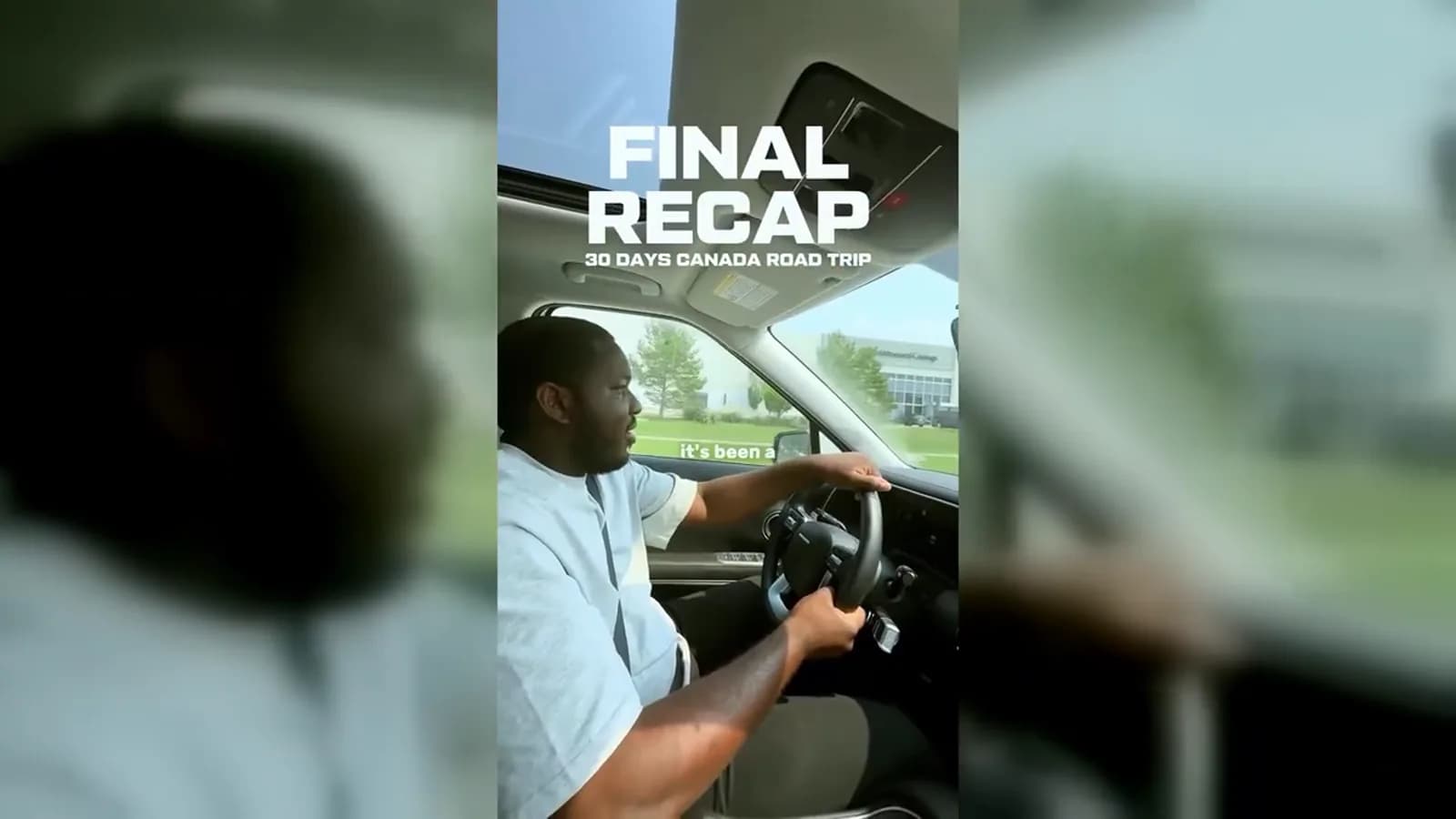
Calgary arrives on Day 30, followed by a route recap. That gives you a simple ending pattern. Show the arrival, add a group note or reflection, then show the meaningful pins in order. The final map view can show the size of the trip without listing every stop.
Copy-ready examples
Use these examples as written or change the names and places. They ask for a small set of useful memories, not every photo from every phone.
Sources and verification
Last verified: 2026-08-10. This is a flexible planning and documentation guide, not live road advice. Conditions, closures, construction, fire information, weather, park access, rooms, and reservations can change. Check official sources for every province and your exact dates before travel.
Road-Trip Segment Planning Table
Use this flexible table to turn the Northern Ontario-to-Calgary portion of a longer drive into planning chapters. Confirm all route, overnight, access, and safety details for your own dates.
| Planning segment | Overnight idea | Map point to save | Footage suggestion | Relevant video moment | Trip note |
|---|---|---|---|---|---|
| Northern Ontario chapter | Choose a comfortable overnight in the area that fits your actual start point and driving window. | First overnight town or a meaningful Lake Superior-area stop. | Wide water or rock view, plus a short arrival clip. | Day 15 — Northern Ontario at 0:10. | Use this chapter to show the journey's scale before the prairie transition. |
| Ontario exit and Manitoba transition | Plan a reset overnight when the group needs a shorter day, groceries, or laundry. | Broad border-area or first Manitoba overnight point. | A map glance while parked, a group meal, or a simple road-side detail. | Transition from Day 15 to Day 16. | Keep the location broad if privacy matters. |
| Manitoba prairie entry | Use a city or town stop that suits your pace and confirmed accommodation. | Main overnight town or a memorable local stop. | Flat horizon, changing light, and one person describing the day. | Day 16 — Across the Prairies at 0:25. | The visual change from rock and water to open sky creates a clear chapter. |
| Saskatchewan prairie stretch | Break the long middle section with one or more overnight ideas based on your time and energy. | One prairie overnight and one optional small-town stop. | Road line, weather-safe parked view, gas-station snack, or sunset detail. | Day 16 prairie chapter. | Use notes to capture the feeling of the distance, not every kilometre. |
| Alberta approach | Choose a stop that leaves room for Calgary arrival or a mountain detour if it fits your plan. | First Alberta overnight or first clear mountain-view area. | Arrival sign where permitted, changing terrain, and a short group reaction. | Lead-in to Day 20 — Banff and the Rockies at 0:45. | A route may go straight to Calgary or include a separate Rockies chapter. |
| Banff, Rockies, and Calgary finish | If visiting the Rockies, use confirmed booking and access plans; otherwise plan a direct Calgary finish. | One meaningful mountain-area point if applicable, then Calgary arrival. | A calm scenic clip, arrival photo, shared meal, and final reflection. | Day 20 Rockies; Day 30 Calgary at 1:00; final recap at 1:15. | End with the route recap rather than trying to include every saved file. |
Examples You Can Copy
Shared trip message
Hi everyone. For each travel chapter, please add one wide photo, one people photo, one short clip, and one sentence about the best small moment. Name the file with the day and broad place when you can. We are building a simple map story, not trying to save every image.
Daily route note
Day 16 — Across the Prairies. We left our overnight stop after breakfast and the sky changed all afternoon. Save one wide road photo, one 10-second wind clip, and the diner-table photo. Map point: our overnight town. Best small moment: everyone kindly arguing about the best snack.
Closing card
From Northern Ontario to Calgary, the road kept changing. The best part was seeing it together, one stop and one small memory at a time.
Final Thoughts
A useful Canada road trip itinerary gives the group enough structure to feel calm and enough space to notice the day. Break the route into regions. Choose overnights that fit real energy. Save map points that have meaning. Collect a few strong photos, clips, and notes each day. When the trip ends, AlbumMap can turn those chosen places and memories into a route-led story worth replaying.
Helpful answers
Frequently asked questions
How many days should I allow for a Northern Ontario to Calgary road trip?
It depends on your exact Northern Ontario start point, driving comfort, season, and planned stops. Start with broad regions, add rest time, and check current travel information for every date and overnight.
Is this a live Ontario-to-Calgary drive route?
No. This is a flexible video-itinerary structure, not live navigation or road advice. Check official road reports, weather, closures, construction, wildfire information, bookings, and park notices before and during travel.
What map points should I save for a road trip video?
Save points that explain the story: major overnights, a meaningful viewpoint, a border or region change, a first mountain view if it fits, and the final arrival. You do not need every service stop.
What footage should I collect each day?
Aim for one wide scene, one people moment, one small detail, and one short calm clip. Add one sentence about the day. Label your best item with the day and broad location.
How can a group make one road trip recap?
Set one shared collection before leaving. Ask each person for a few favourites and one written memory for each major chapter. After the trip, sort the chosen items by route order. AlbumMap can combine selected photos, clips, messages, and locations into a map-led story.