Introduction
How long does Route 66 take? There is no single answer. The historic route runs about 2,448 miles from Chicago to Santa Monica. Old route choices, meals, weather, photo stops, and rest all affect the pace. Seven days is fast. Ten days can work with careful choices. Fourteen days gives you more time to slow down. Use these plans as a starting point. Then shape them around your group, dates, and favorite stops.
What the video shows
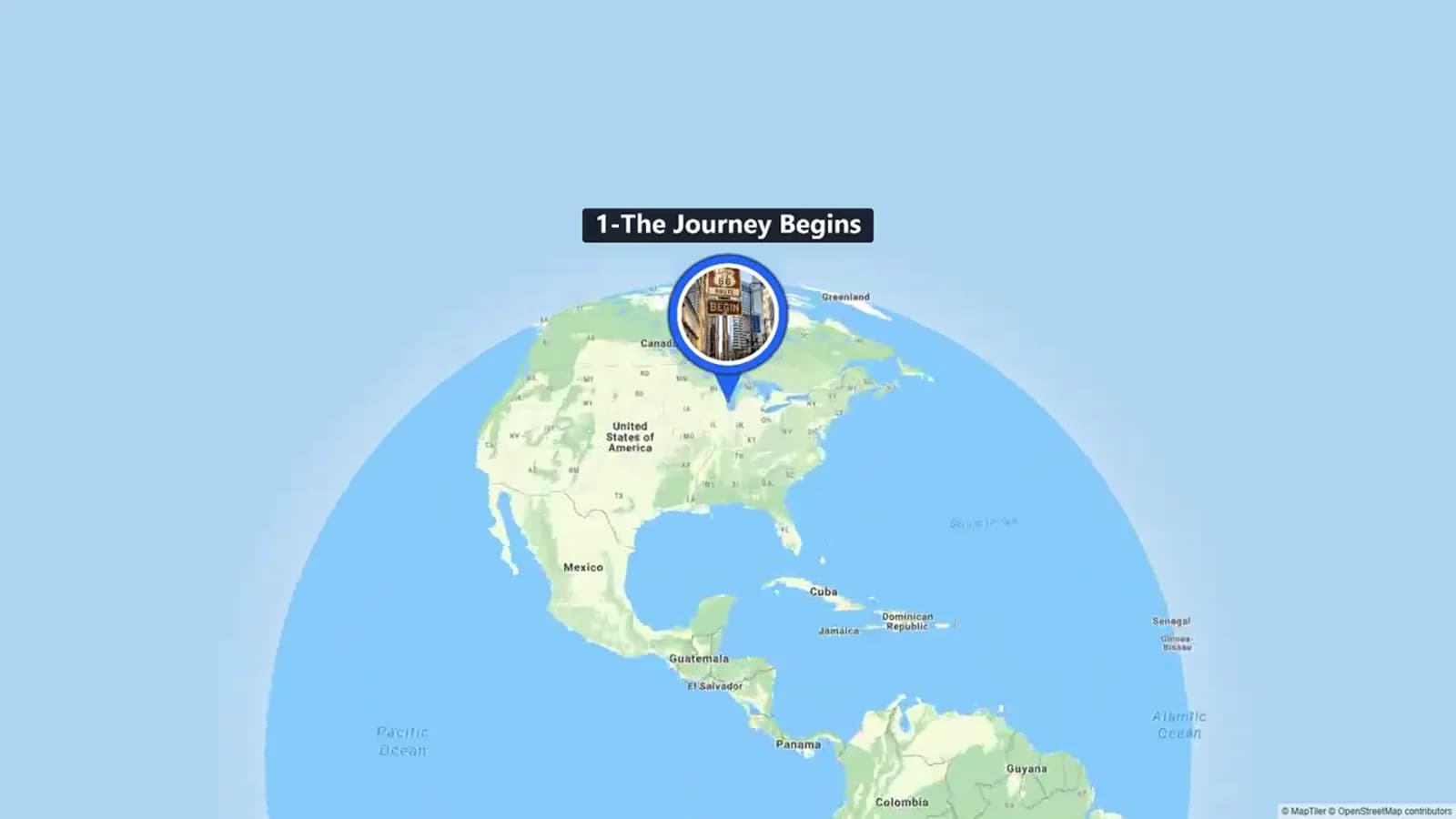
AlbumMap’s video starts with a ten-stop trip heading west. Chicago begins the route. Pontiac adds a Mother Road history stop. The Old Chain of Rocks Bridge then brings in a bent bridge. The early scenes move from city streets to local history and a river landmark. That is a useful reminder that a travel day can hold more than miles.
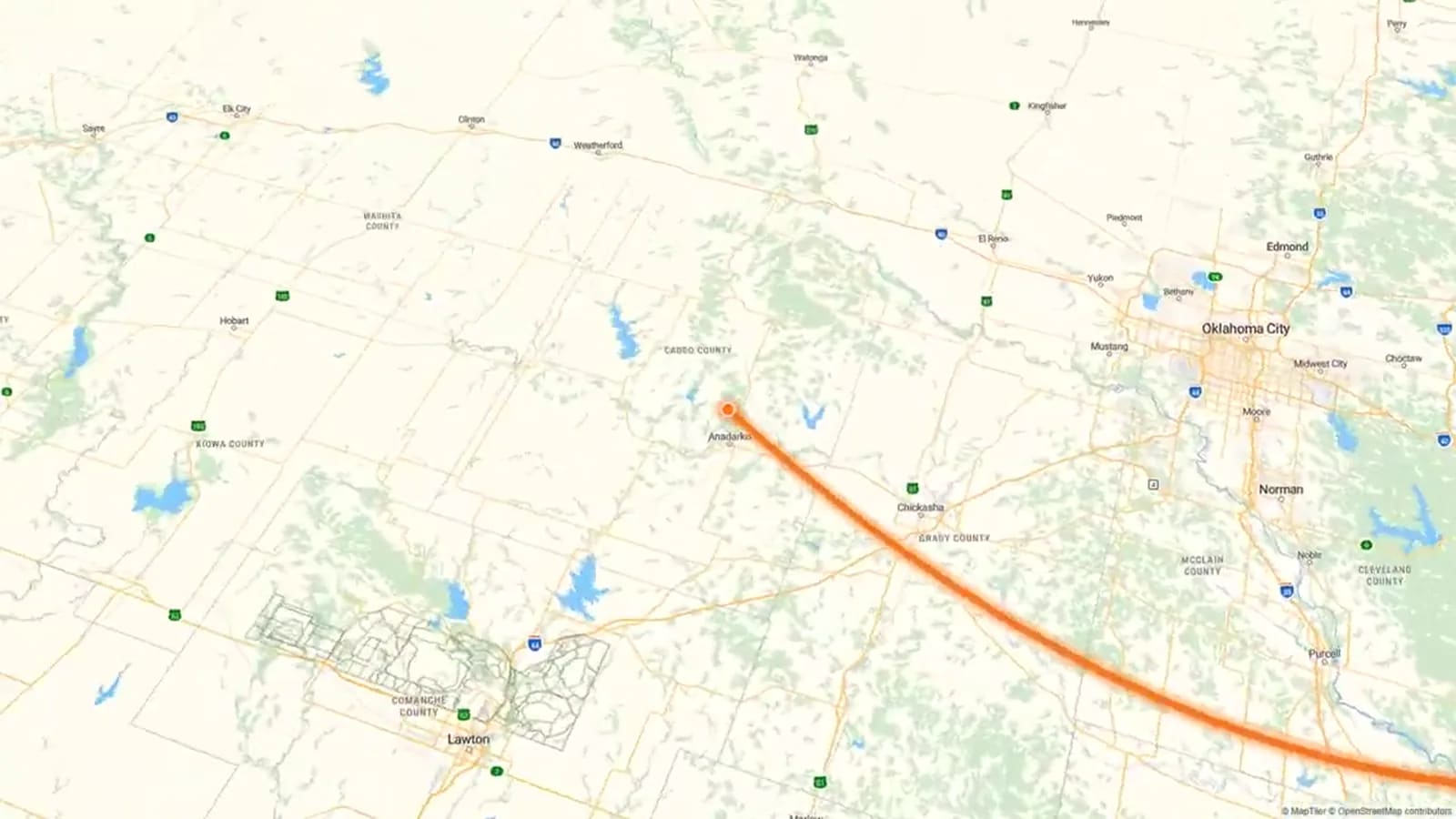
The middle of the video shows three very different kinds of stops. The Blue Whale of Catoosa stands for classic roadside fun. The Oklahoma Route 66 Museum is a history stop. Cadillac Ranch is an outdoor art stop. A fast trip may allow only a photo at each one. A slower trip gives a group time to look around and enjoy the change of pace.
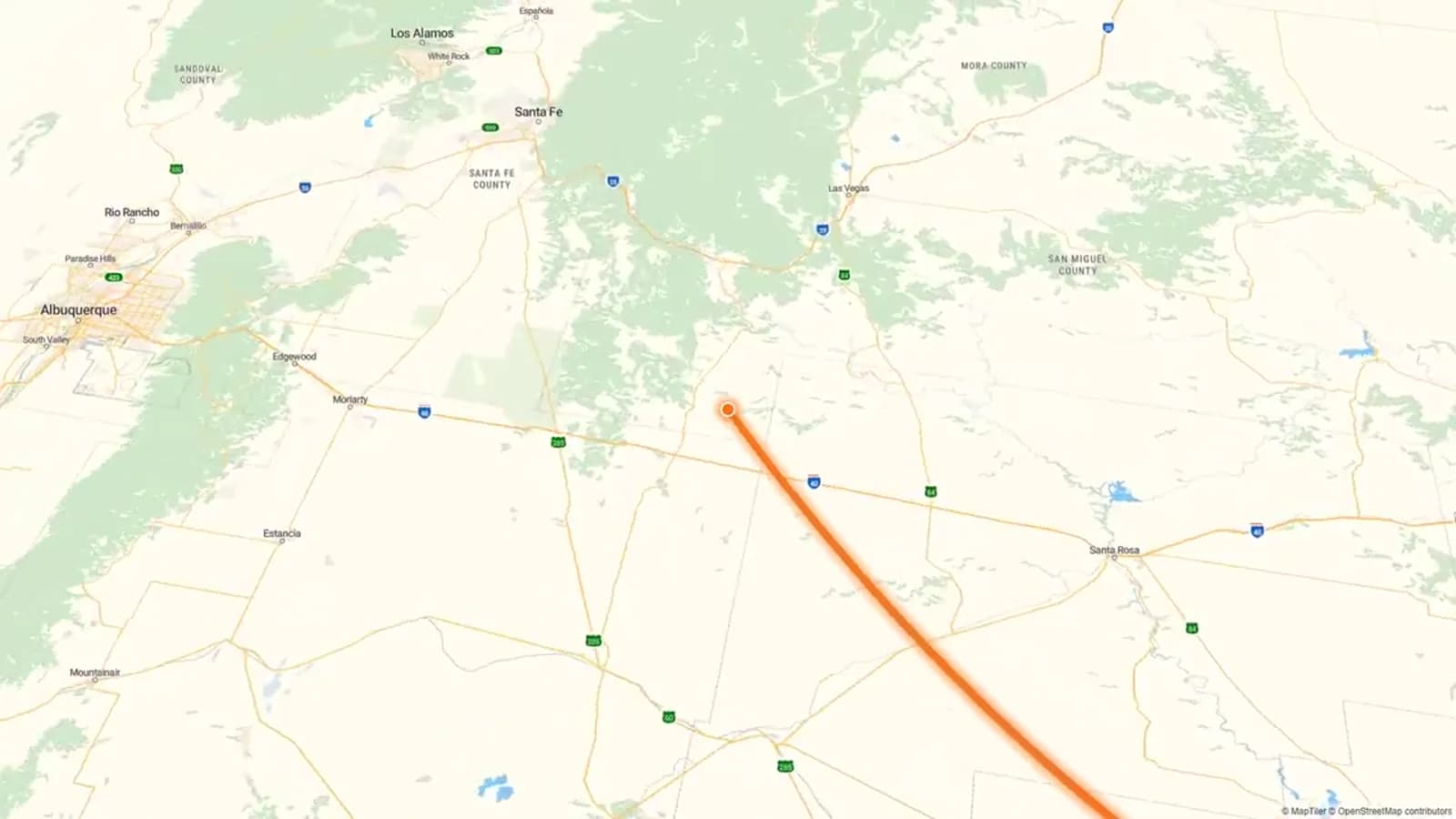
Santa Fe is shown as part of an earlier Route 66 alignment. Albuquerque adds a neon city scene. These scenes show why a plan needs room for route choices and local travel. Historic Route 66 is not one unbroken modern road. A daily mileage goal cannot tell the whole story.
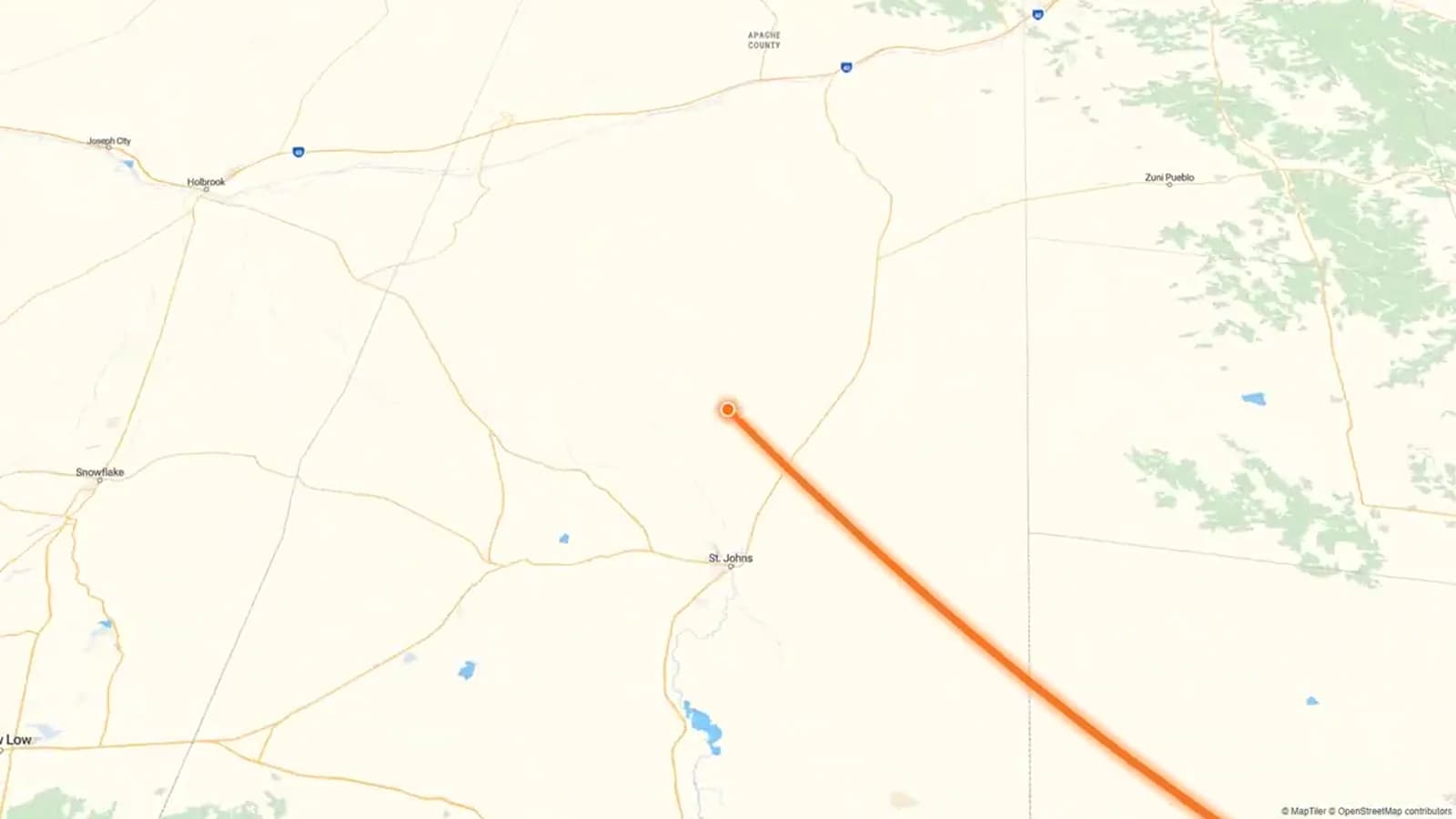
Petrified Forest National Park adds open landscape before California. Santa Monica ends the video as the symbolic finish. The video does not say that this finish covers every old alignment. Its ten stops mix museums, bridges, roadside sights, art, cities, and park scenery. That mix is the reason to choose a pace that suits your group.
Watch once and note what your group likes most. You may care most about history, roadside stops, city nights, park views, or a mix. A short trip needs firm choices. A two-week trip can hold more variety and more unplanned time.
7-, 10-, and 14-day Route 66 comparison
These are planning ranges, not promises. Your progress can change with the route you choose, traffic, weather, road work, timed visits, fuel stops, and stop length. Pick overnights and a few key stops first. Keep the rest flexible.
If a full route feels too rushed, drive one region well. A shorter regional trip can feel far better than racing from Chicago to Santa Monica and missing the places that brought you there.
A 7-day Route 66 trip: a fast overview
Seven days is a hard pace for a full trip. It suits skilled road trippers who accept long days, few detours, and a short stop list. For many people, it works better as a plan for one region than as a deep end-to-end trip.
Think of seven days as an overview. Choose one main stop and one small stop each day. Do not pack a museum, a long walk, a city night, and many photo stops into the same day. That plan can become tiring fast.
Use each overnight as a reset. Eat, sleep, and leave room for delays. Agree before you leave that many interesting places will be optional. This keeps a late day from causing stress for the whole group.
A 10-day Route 66 itinerary: a focused full-route trip
A Route 66 10-day itinerary is brisk but more balanced. It can work for a full-route overview if you pick highlights before you leave. Treat side trips as optional. You may fit a museum, a roadside stop, a city scene, and a park view. You may not fit every version of each.
The key tradeoff is energy. Ten days may get you to Santa Monica with time for major stops. Some days will still be mostly driving. Do not use one daily target for the whole route. Stops may be close together in one area and far apart in the next.
Make simple choices on busy days. Pick either a long museum visit or a long detour. Keep an Albuquerque evening only if the day before leaves enough time. A plan that can change is more useful than one that looks perfect on paper.
A 14-day Route 66 trip: a slower, fuller experience
Fourteen days is a strong choice for many first-time travellers. It gives you room for the full route and more time at the places you like. You can allow for old alignments, small towns, food, museums, neon, and rest. A weather delay is also less likely to upset the entire trip.
Two weeks does not mean every hour needs a task. It gives you choice. You can stay longer at a stop that surprises you. You can pause for a mural or diner. You can end early without feeling behind. This is helpful when several people travel together.
If you have more than 14 days, add a rest day or a deeper visit in a favorite area. Do not aim to collect every landmark. Aim for a trip that feels like your own.
Three sample schedules to adapt
These samples show the shape of each trip. They are not exact driving directions. Check each overnight, route choice, access detail, and attraction plan with current sources before you leave.
7-day fast framework: Day 1 Chicago to the St. Louis area. Day 2 toward Oklahoma City. Day 3 toward Amarillo. Day 4 toward Albuquerque. Day 5 toward Flagstaff or Kingman. Day 6 toward the Los Angeles area. Day 7 Santa Monica. Keep a very short stop list. Skip a stop if the day runs long.
10-day focused framework: Day 1 Chicago. Day 2 Illinois and the St. Louis area. Day 3 toward Tulsa or Oklahoma City. Day 4 western Oklahoma or Amarillo. Day 5 Amarillo to the Albuquerque area. Day 6 Albuquerque and western New Mexico. Day 7 eastern Arizona and the Petrified Forest area. Day 8 toward Kingman or Needles. Day 9 California inland cities or the Los Angeles area. Day 10 Santa Monica. This pace has room for selected stops, not every detour.
14-day slower framework: Days 1 and 2 in Chicago and Illinois. Days 3 and 4 in Missouri and the Joplin area. Days 5 and 6 in Oklahoma. Day 7 in the Texas Panhandle. Days 8 and 9 in New Mexico. Days 10 and 11 in Arizona. Days 12 and 13 in California’s desert and inland cities. Day 14 in Santa Monica. Add rest, museums, neon, or a longer park visit where it fits your group.
Route 66 planning: pick stops before a daily number
Make three lists before you leave: must-see, nice-to-see, and easy to skip. One person may want a museum. Another may prefer a quick photo. Naming those needs early can prevent a rushed day from turning into a group problem.
Plan one main activity and one small stop for most travel days. Leave the rest open. Check official hours and alerts close to departure. This matters for parks, museums, bridges, and remote areas. Use current maps and road signs for live driving choices.
Keep an overnight list, not only a day list. A good overnight can make the next morning easier. It also gives the group time to review photos, charge phones, and decide if the next day needs fewer stops.
Final thoughts
The right trip length matches your energy, interests, and time away. Seven days is fast and selective. Ten days is focused. Fourteen days gives the route more room to breathe. Pick priorities, protect your overnights, and leave space for the places you did not expect to love.
Sources and verification
This article was researched on 2026-08-09. Route distance and trip-planning context were checked against the public Route 66 sources below. The AlbumMap video evidence was used exactly as provided. Check current official information before departure.
7-, 10-, and 14-Day Route 66 Trip Comparison
Use this table to choose a pace before building a detailed plan. These are planning frameworks, not fixed travel-time estimates or guarantees.
| Trip length | Driving pace | Overnights | Sightseeing tradeoff | Best for |
|---|---|---|---|---|
| 7 days | Fast; expect long travel days and firm priorities. | Six overnight areas on a full-route framework. | Choose only headline stops; many detours, museums, and slow historic alignments will not fit. | Experienced road trippers or travellers who would rather do one Route 66 region well. |
| 10 days | Brisk but more balanced; plan selected highlights. | Nine overnight areas on a full-route framework. | Room for a mix of major stops, but make tradeoffs between longer visits and detours. | Travellers who want a focused full-route overview and are comfortable changing plans. |
| 14 days | Slower and more flexible; better room for varied days. | Thirteen overnight areas on a full-route framework. | More time for smaller towns, museums, historic alignments, evening neon, and rest. | First-time full-route travellers, groups, and people who want to enjoy the journey as well as the finish. |
Examples You Can Copy
Copy-ready group photo prompt
At each main stop, please save one wide photo, one close detail, one short video, and one sentence about what made the place memorable. Add the location and date before you upload.
Copy-ready daily check-in
Tomorrow’s priority is Petrified Forest National Park. We will check official alerts tonight, leave time for the park, and treat later roadside stops as optional.
Copy-ready shared caption
Cadillac Ranch, Texas — We stopped for the open sky, bright paint, and a quick walk that broke up a long westbound day.
Final Thoughts
The most useful answer is not a promise about how fast you will arrive. It is a choice about what you want the trip to feel like. Pick the pace that leaves room for the stops and people you will remember.
Helpful answers
Frequently asked questions
How long does Route 66 take?
A full Route 66 trip can take very different amounts of time depending on route choices and stops. Seven days is fast, 10 days is focused, and 14 days gives more space for sightseeing and flexibility.
Is 10 days enough for Route 66?
It can work for a focused Chicago-to-Santa Monica trip when you choose highlights carefully. Expect to make tradeoffs between longer visits, smaller stops, and side trips.
Can I drive Route 66 in seven days?
You can create a fast full-route framework, but it means long travel days and limited sightseeing. Many travellers will enjoy a seven-day regional trip more.
Why should I leave extra time in a Route 66 plan?
Historic alignments, weather, traffic, road work, opening hours, parking, and group energy can change the day. Flexibility helps you adjust without losing the purpose of the trip.