High School Graduation Video: Memory Map Ideas
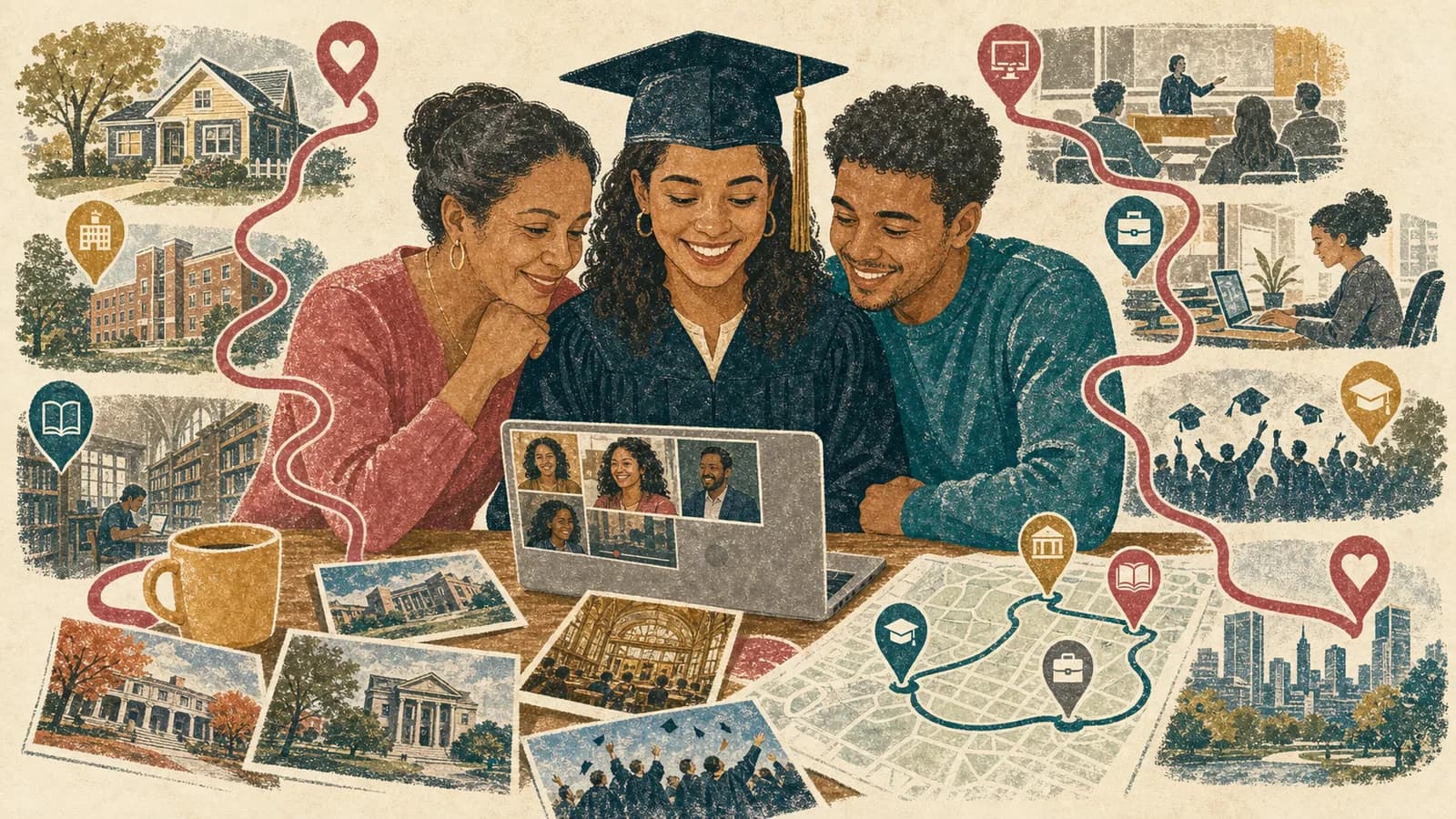
A high school graduation video can show more than the ceremony. It can follow the places where the graduate learned, changed, made friends, and found confidence. A memory map gives those moments a clear path. You might begin at home, move through the school entrance, visit a classroom or sports field, and finish at the graduate’s next destination. Add a few photos, short clips, and messages at each stop. The result becomes a personal story about the journey behind the diploma.
What Is a High School Graduation Memory Map?
A graduation memory map is a visual route through the graduate’s school years. Each stop marks a place connected to a real memory. That stop can hold a photo, short video, written note, or recorded message.
The route does not need to cover every year or event. Its job is to show the moments that best explain the graduate’s growth. A first-day photo may show where the story began. A classroom can represent a subject they learned to love. A field, stage, or club room can show where they found their people.
You can make a simple version with a printed map and QR codes. You can also create a digital slideshow or map-based video. The best format depends on how many people will contribute and how you plan to share the gift.
Choose One Story Before You Choose the Stops
Start with one sentence that explains the story. For example, “This map follows Maya from her first nervous morning to the day she crossed the graduation stage.” That sentence helps you decide what belongs in the project.
A growth story can move from early uncertainty to greater confidence. A community story can focus on friends, teachers, coaches, and relatives. A discovery story can show how the graduate found an interest, skill, or goal. A resilience story can honor a difficult path without sharing private details.
Try not to mix several large themes. A clear route is easier to follow than a collection of unrelated highlights. Extra memories can still appear in a final photo group or closing message.
Pick Five to Eight Meaningful Locations
A short list of strong locations is usually enough. Start with home or another place that represents support. Add the high school, then choose two or three places linked to important activities or relationships. End at the graduation venue or the next destination.
Useful stops may include the school entrance, a favorite classroom, the library, a sports field, an arts space, a part-time workplace, or a regular meeting spot. A bus stop or family kitchen can matter as much as a formal campus building. Choose places because they hold a story, not because they look impressive.
If two locations represent the same part of the story, keep the stronger one. The route should move with purpose. Each new stop should reveal something different about the graduate.
Build a High School Graduation Video Around the Route
Give every map stop a simple job. Start with the place name and year. Add one visual item, one short memory, and one message when available. This repeatable pattern keeps the project organized.
For example, the school library stop might use a study-group photo, a ten-second clip, and a note from a friend. The note could explain how weekly study sessions became an important source of support. The stadium stop might use a team photo and a short message from a coach.
Arrange the route in time order unless another order makes more sense. Keep speaking clips clear and brief. Lower background music while someone is talking. Use simple transitions so the memories remain the focus.
Match Photos and Clips to Each Place
Begin with the files you already have. Look through family phones, school event folders, team pages, and old messages. Choose images that show change, relationships, or effort. Several nearly identical ceremony photos will add less than one everyday photo with a good story.
Short clips can bring movement to the map. Use a few seconds from a concert, game, project, club event, or walk across the stage. A new recording can also work. A friend might film the school entrance while describing a shared first-day memory.
Do not worry if one location has no video. A photo and written note can carry that stop. Variety often feels more natural than forcing every section into the same format.
Ask the Right People to Contribute
Invite people from different parts of the graduate’s life. Parents and relatives may remember early changes. Friends know the daily school experience. Teachers, coaches, employers, and club leaders can describe effort that happened outside the family’s view.
Give each person one clear prompt. Ask for a short message, one memory, and the place connected to it. A focused request produces more useful material than asking people to say anything they want.
Make room for people who do not want to record. They can send a photo, a written note, or a location with one sentence. The project should make participation easy. It should not pressure anyone to appear on camera.
Plan an Individual Gift or a Class Project
An individual map should stay close to one graduate’s experience. Family, close friends, teachers, and mentors can each add a different view. Personal jokes and specific memories fit when the graduate will enjoy them.
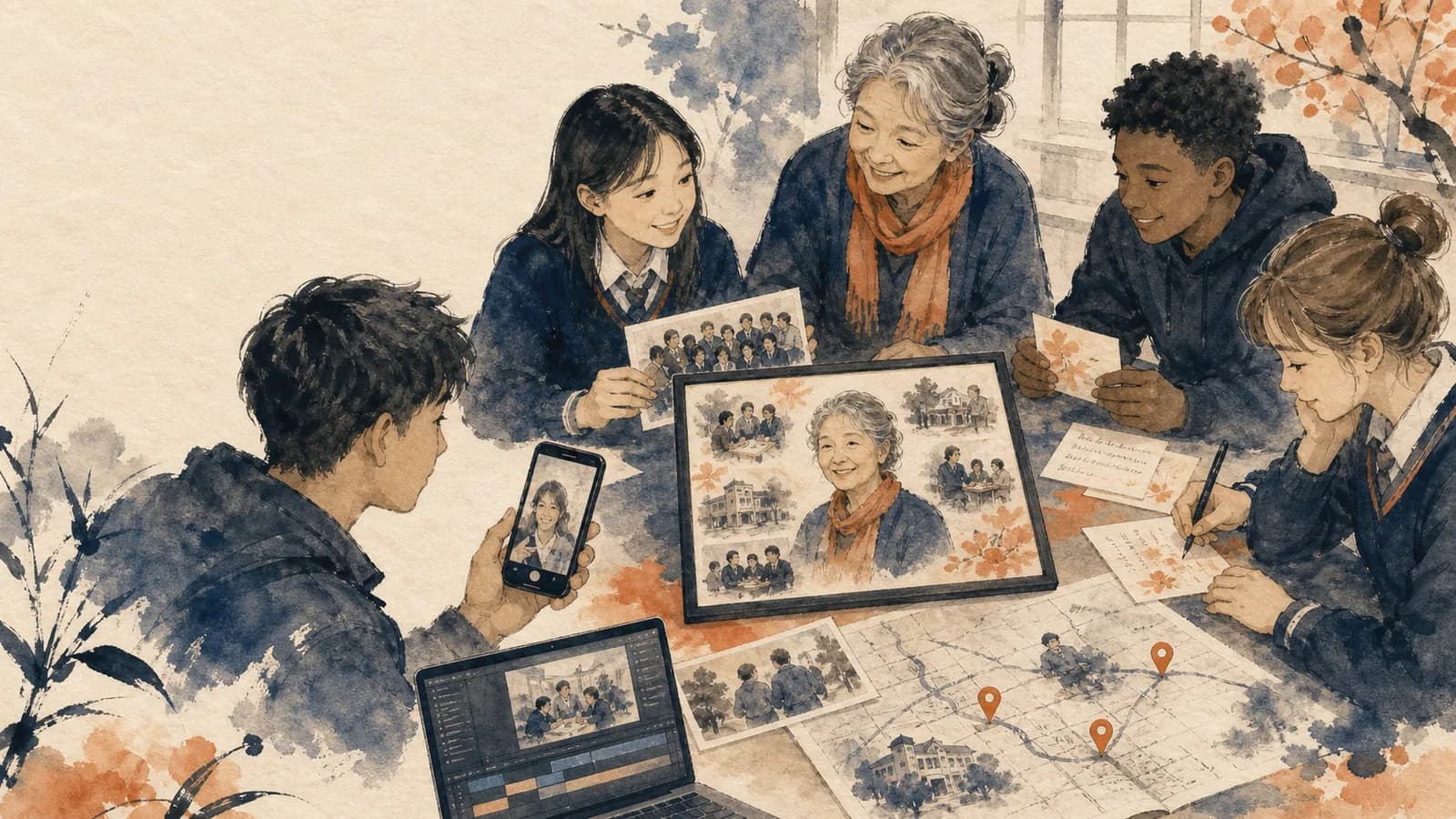
A class project needs a broader plan. Use shared locations such as the school entrance, library, gym, theatre, cafeteria, and graduation venue. Invite short contributions from several groups rather than building the story around only the most visible students.
Choose an adult organizer for a school-wide project. Set rules for names, captions, music, and public sharing. Review the final version before it is shown. A class keepsake should make students feel included and respected.
Protect Student Privacy and Comfort
Decide who will see the finished project before collecting files. A private family link needs different permission from a public school post. Tell contributors whether the video will be shown at a party, shared with a class, or posted online.
Do not publish a student’s full name, schedule, address, or future living details without clear permission. A future stop can use a college, workplace, training program, or city only when the graduate is comfortable sharing it.
Ask before using embarrassing photos, personal stories, or difficult moments. Keep private challenges general unless the graduate wants them included. When unsure, choose the version that protects the student’s dignity.
Use AlbumMap When Places Carry the Story
AlbumMap fits this idea when the memories are tied to real locations. It can bring photos, short videos, written messages, and places into one map-based flow. This is useful when several people want to contribute or family members live far away.
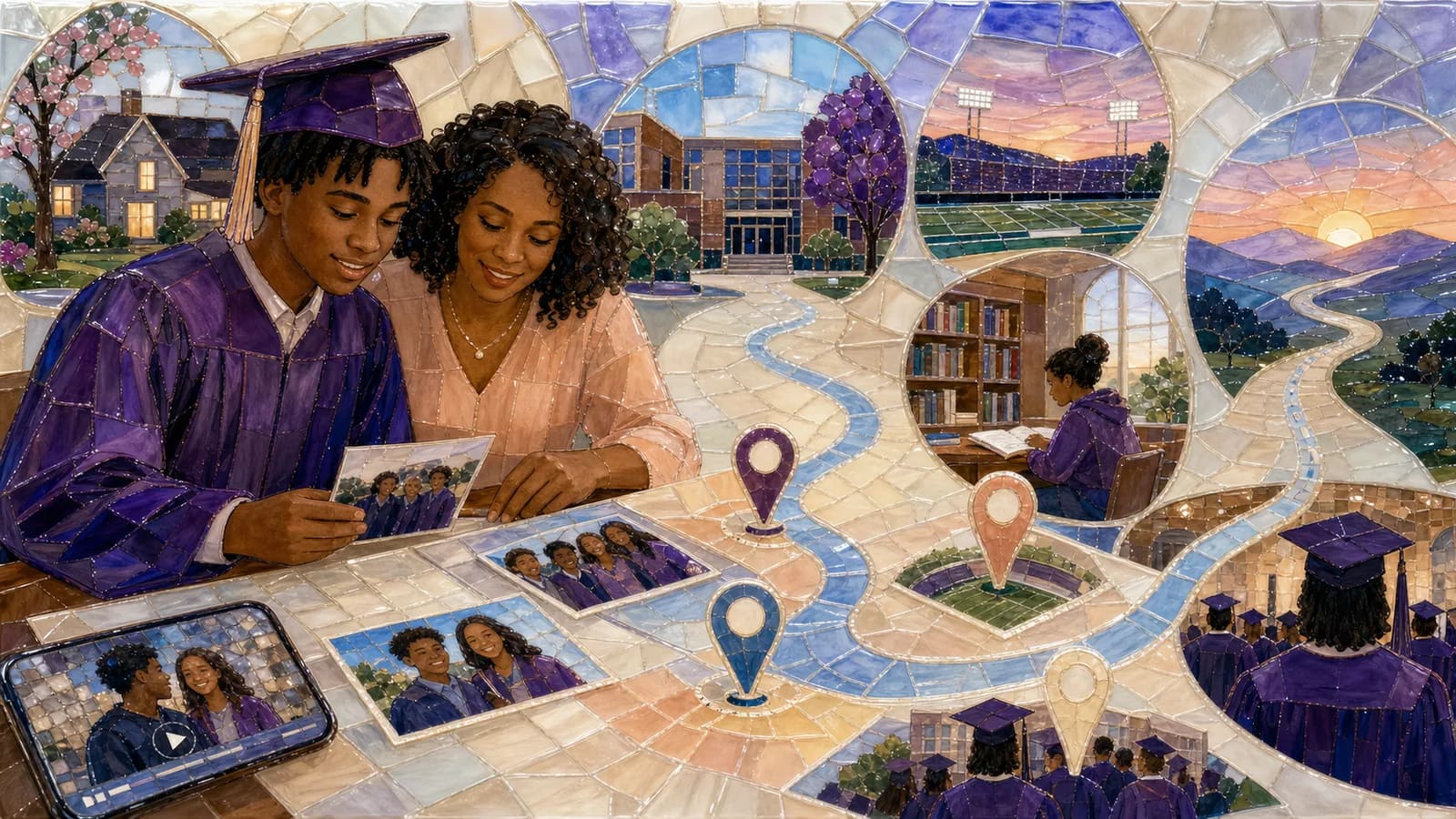
The route might begin at the family home, move to the high school, visit a library and sports field, and end at the graduation stage. A final stop can look toward college, work, training, travel, or another chosen path. The next chapter does not need to look the same for every graduate.
Keep the map personal rather than crowded. A few well-explained places will usually tell a better story than many pins with little context.
Review the Story Before the Reveal
Watch the finished video from beginning to end. Check names, dates, captions, sound, and map locations. Make sure every stop supports the main story. Remove repeated messages or visuals that slow the route.
Think about how the graduate prefers to receive attention. Some people will enjoy a surprise at a large party. Others may prefer to watch privately with close family. You can also place a QR code inside a card so the graduate can choose when to view it.
Save a private backup where the family can find it later. Keep the original photos and messages organized as well. Those contributions may become meaningful keepsakes on their own.
Examples You Can Copy
Copy-ready invitation for family and friends
Hi! We are making a graduation memory map for [Name]. Please send one photo, short video, or written message by [Date]. Include one place connected to your memory, such as home, school, a sports field, a workplace, or a favorite hangout. A 15-to-30-second clip or two short sentences is perfect. Upload it here: [link]. Please keep the project a surprise.
Copy-ready request for a teacher or coach
Hello [Name]. We are creating a private graduation keepsake for [Graduate]. Would you be willing to share a short message about one quality you saw them develop? If possible, name a school place connected to that memory. A short written note or a 15-to-30-second phone video would be wonderful. Please send it by [Date] using this link: [link].
Copy-ready memory-map stop
Place: Westview High School Library. Year: 2025. Memory: Thursday study sessions began as a way to pass chemistry, but they became one of our favorite parts of senior year. Message: You kept showing up when the work felt hard. That steady effort will take you far.
Copy-ready seven-stop route
1. Family home — first-day photo and parent message. 2. School entrance — start-of-high-school memory. 3. Favorite classroom — teacher message. 4. Field, gym, or arts space — activity highlight. 5. Library or study spot — friend memory. 6. Graduation venue — ceremony clip. 7. Next destination — wishes for the graduate’s chosen path.
Final Thoughts
A meaningful graduation memory map does not need every photo from four years. It needs a clear path through the places that helped shape the graduate. Choose a few strong stops, connect each one to a real memory, and invite short contributions from people who care. Protect the graduate’s privacy and let their personality guide the final reveal. When locations are central to the story, AlbumMap can bring those places, messages, photos, and clips together in one map video gift.
Helpful answers
Frequently asked questions
- What should a graduation memory map include?
- Include five to eight meaningful locations, a few strong photos or clips, short messages, and a clear beginning and ending. Each location should reveal a different part of the graduate’s journey.
- How long should the finished graduation video be?
- There is no fixed length, but a focused video is easier to watch. Keep each map stop brief. Use short contributor clips and remove repeated messages. Let the number of meaningful locations guide the final length.
- Which locations work well for a high school memory map?
- Good choices include home, the school entrance, a favorite classroom, the library, a sports field, an arts space, a workplace, the graduation venue, and a future destination. Only include places that hold a real story.
- Can classmates and teachers contribute without recording videos?
- Yes. Contributors can send written messages, photos, or a location with a short memory. Offering several formats makes the project easier and more comfortable for everyone.
- Can a memory map celebrate a whole graduating class?
- Yes, but use shared school locations and inclusive memories. Choose an adult organizer, set clear privacy rules, and review the project before showing or sharing it.
- How can we protect student privacy?
- Explain who will see the project, obtain needed permission, and avoid sharing private addresses or future living details. Do not use embarrassing images or personal stories without the student’s approval.