How to Make a Graduation Video Gift From Friends and Family
A graduation video gift can bring family, friends, teachers, and mentors together for one meaningful surprise. Each person adds a short message, photo, or memory. You then arrange those pieces into a video the graduate can keep. The process does not require perfect filming or advanced editing. It works best when one organizer sets a clear plan, gives people easy prompts, and keeps every contribution in one place. This guide walks you through the full project, from the first invitation to the final reveal.
Plan Your Graduation Video Gift Before Sending Invitations
Start by deciding what you want the graduate to feel. The video might celebrate their hard work, show their growth, or remind them how many people support them. One clear purpose will help every message fit together.
Choose the organizer and set the real deadline. This person will invite contributors, track replies, check files, and arrange the final story. Set the contributor deadline several days before you need the finished video. That buffer gives you time to follow up and fix problems.
Pick a simple format before collecting anything. You could make a group message montage, a story from childhood to graduation, or a journey through meaningful places. Avoid mixing too many formats. A clear idea is easier for contributors and more enjoyable for the graduate.
Choose Contributors From Different Parts of the Graduate's Life
Make a list of people who know the graduate in different ways. Begin with parents, siblings, grandparents, and close friends. Then consider classmates, teachers, coaches, mentors, club leaders, coworkers, or family friends.
You do not need a huge group. A smaller set of thoughtful messages can feel more personal than many repeated congratulations. Choose people who can share a real memory, a useful lesson, or a warm wish for the next chapter.
Ask one or two dependable people to record first. Their clips will confirm that your instructions make sense. You can also use their submissions as simple examples when later contributors need help.
Give Everyone One Clear Recording Request
A vague request often leads to late replies or long, unfocused clips. Tell contributors what to record, how long it should be, when it is due, and where to send it. Keep the request short enough to read on a phone.
Ask each person to record for about 20 to 45 seconds. They can say the graduate's name, answer one prompt, and close with a wish. A short limit makes the task feel manageable and keeps the final video moving.
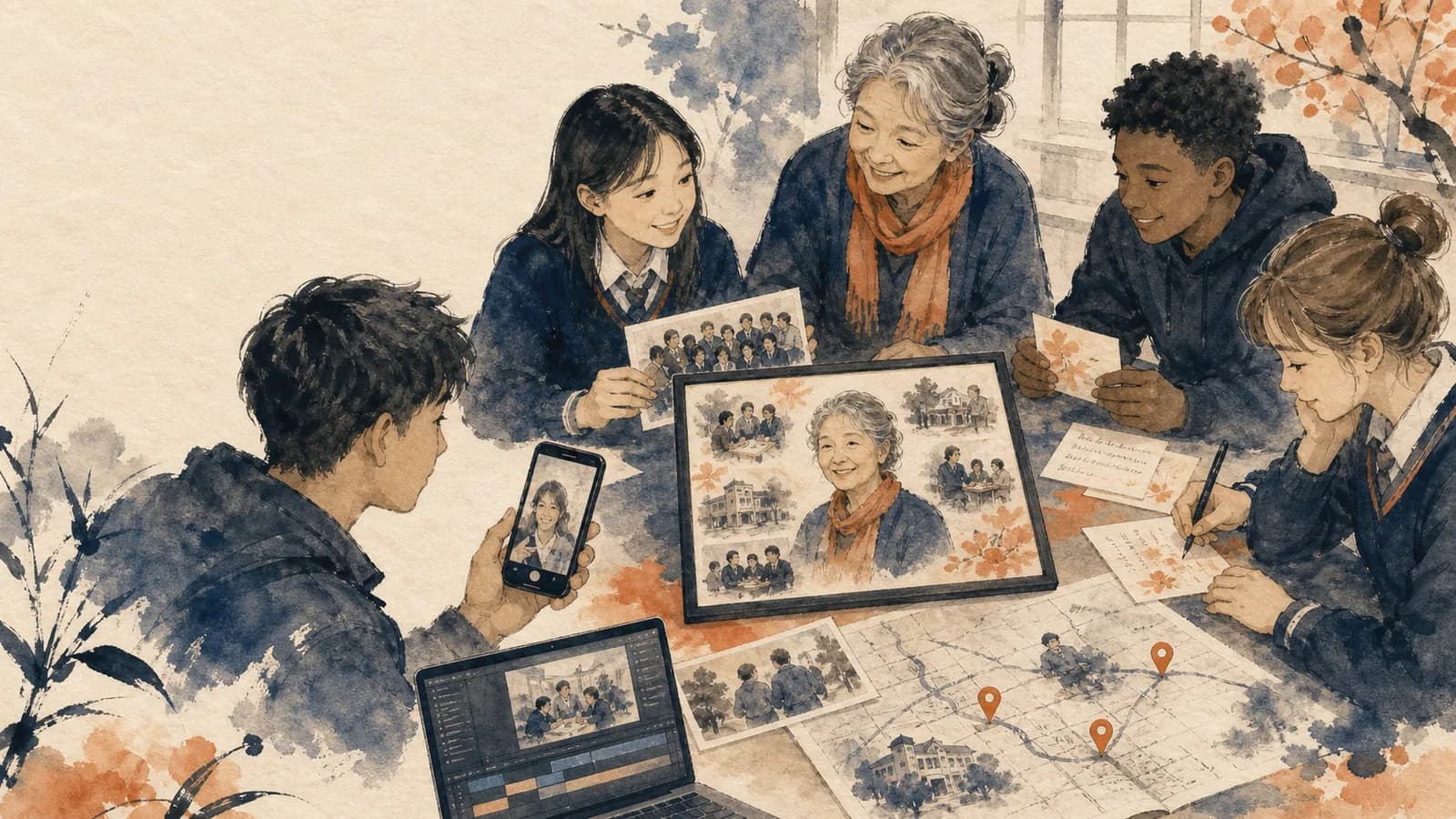
If you also want photos or written notes, say so in the first request. Ask for one or two useful items instead of an entire photo library. Give contributors one upload link or destination so files do not get scattered across different chats.
Use Prompts That Lead to Personal Graduation Video Messages
People often know what they feel but do not know how to begin on camera. Give each contributor two or three prompts. They only need to answer one.
Useful prompts include: What is one moment that made you proud of the graduate? What quality will help them in their next chapter? What memory still makes you laugh? What did the graduate teach you? What place will always remind you of them?
Invite different groups to answer different questions. Family members might share early memories. Friends can recall school life or everyday moments. Teachers and mentors can speak about growth, effort, and future potential. This variety keeps the video from sounding repetitive.
Share Simple Filming Tips With Contributors
Ask people to record in a quiet place with light facing them. They should place the phone at eye level and keep it still. Clear sound matters more than a perfect background.
Choose one screen direction for the project. Horizontal clips often work well for a video shown on a television. Vertical clips may suit a phone-first edit. A consistent direction reduces empty space and makes editing easier.
Tell contributors to pause for a second before and after speaking. Those quiet moments make clips easier to trim. Ask them to check the recording once before uploading it. They should confirm that their face is visible and their words are easy to hear.
Do not ask people to rerecord every small mistake. A natural laugh or brief pause can make the message feel honest. Request another take only when the sound, picture, or words are hard to understand.
Collect Files Without Losing Track of People
Keep a simple tracker with each contributor's name, contact details, deadline, and submission status. Add columns for video, photo, written message, and location if those items are part of your plan. Mark every file as soon as it arrives.
Rename files in a useful way, such as "01-Grandma-Ana" or "12-Coach-Lee." Save a backup before editing. Keep original clips in one folder and edited copies in another so you can recover from a mistake.
Send one friendly reminder before the deadline. Contact essential contributors directly if they have not replied. When someone cannot record a video, offer an easy alternative. A photo, voice note, or written message can still add a meaningful voice to the story.
Turn Separate Clips Into One Clear Story
Sort the material before you edit. Group clips by life stage, relationship, message type, or location. Look for natural connections between stories instead of arranging everything in the order it arrived.
A simple structure begins with a warm welcome. It then moves through early memories, school years, friendships, proud moments, and advice. Finish with wishes for the graduate's future and a short group closing.
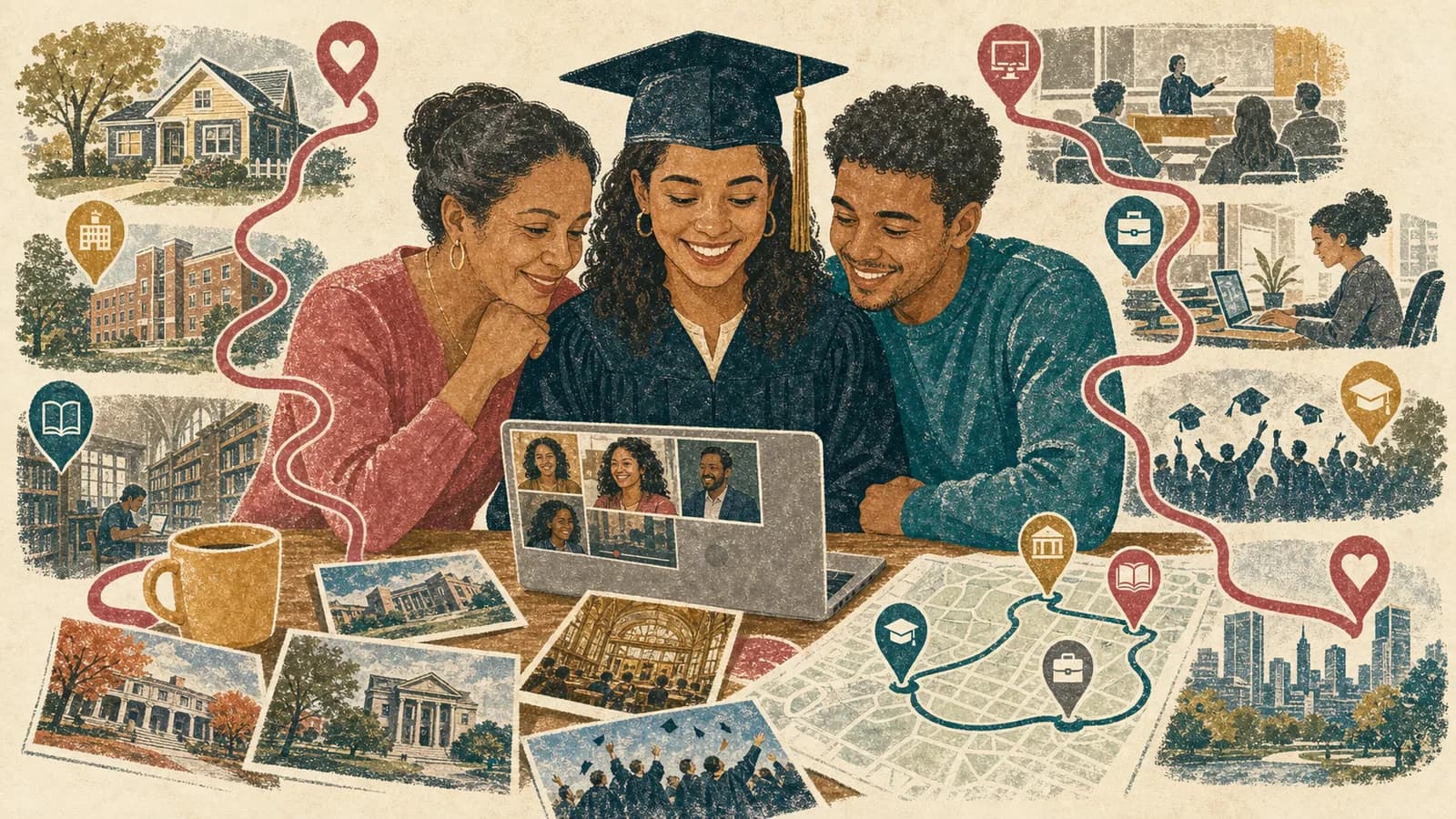
You can also build the story around places. Begin at a family home, move to schools or campuses, and include a field, studio, workplace, or favorite meeting spot. End at the place connected to the graduate's next step. This approach works well when locations carry much of the meaning.
AlbumMap can help when the story includes photos, short videos, written messages, and important locations. A map-based route can show where different chapters happened. Use this option when place adds meaning, not as a decoration.
Edit for Warmth, Clarity, and a Comfortable Length
Start with the strongest opening clip. Trim long pauses and repeated lines, but keep each person's natural voice. Short transitions can separate family, friends, and mentors without making the video feel formal.
Use music carefully. Keep it soft under spoken messages or remove it during quiet clips. If the graduate may have trouble hearing a message, add an accurate caption or include the words on a separate card.
Add a few photos between groups of clips. Photos can provide context and let the video breathe. Choose images that support the story, such as a first day of school, a team moment, a campus landmark, or the graduation ceremony.
Review the whole edit without stopping. Notice where it feels slow, confusing, or too loud. Remove repeated material before cutting a unique story. The best length depends on the group, but every minute should earn its place.
Respect Privacy, Permission, and the Graduate's Comfort
Tell contributors how the finished video will be shared. A private family link is different from a public social post. Do not publish someone's clip outside the agreed setting without permission.
Check every photo and story from the graduate's point of view. Leave out jokes, old images, or personal details that could cause embarrassment. The goal is to honor the graduate, not surprise them with something uncomfortable.
Be careful when children appear in clips or photos. Ask a parent or guardian before including their media. Store the original files securely, and remove extra copies from shared spaces when the project is complete.
Plan the Reveal and Test the Finished Video
Decide whether the graduate should watch alone, with family, or during a party. A private viewing can feel calm and personal. A party reveal can turn the video into a shared celebration.
Test the final file on the device you will use. Check the picture, sound, captions, internet connection, and screen orientation. Keep an offline copy available if the venue has weak internet.
You can also pair the video with a card or small keepsake. A QR code can provide quick access, but test it before printing. Make sure the link will remain available and that its privacy settings match your plan.
After the reveal, send the graduate a direct copy or private link. Include simple instructions for saving it. Keep a backup in a secure place so the gift is not lost when a device changes.
A Simple Two-Week Production Schedule
Days 1 and 2: choose the purpose, format, organizer, contributor list, and final reveal date. Days 3 and 4: send the invitation and record one test clip. Days 5 through 8: collect files and update the tracker.
Day 9: send one reminder. Days 10 and 11: sort messages, photos, and locations into story order. Days 12 and 13: edit, add captions, check permissions, and watch the full video.
Day 14: export and test the final version. Save a backup and prepare the viewing device. If the project includes many people, begin three or four weeks early instead.
Examples You Can Copy
Copy-ready contributor invitation
Hi! We are making a surprise graduation video for Maya, and we would love to include you. Please record a 20-to-45-second message by May 20. Share one memory, one thing that makes you proud, or one wish for her next chapter. Record in a quiet, bright place with your phone held horizontally. Upload your clip here: [link]. Please keep the project a surprise. Thank you!
Copy-ready friendly reminder
Hi! This is a quick reminder about Maya's graduation video. If you would like to join, please upload your short clip by Tuesday evening: [link]. A simple message is perfect. You can share a favorite memory or one wish for her future. If video is difficult, send one photo and a written note instead.
Copy-ready message for a friend
Jordan, I still laugh when I remember our first group project and how you kept everyone calm. You worked hard for this moment, and I am proud to call you my friend. I hope your next chapter brings good people, bold ideas, and plenty of reasons to celebrate. Congratulations!
Copy-ready message for a teacher or mentor
Leah, I watched you become more confident each time you took on a difficult problem. Your patience and curiosity will serve you well wherever you go next. Keep asking thoughtful questions and trust the work you have already done. Congratulations on this well-earned milestone!
Copy-ready map-based outline
Opening: family home and an early school photo. Stop two: elementary school with a grandparent's memory. Stop three: high school or campus with messages from friends and teachers. Stop four: a field, club room, studio, or workplace tied to an important achievement. Final stop: the city, school, or workplace connected to the graduate's next chapter.
Final Thoughts
A strong group graduation video is not built through perfect performances. It comes from clear planning and honest messages. Give people a small task, collect every file in one place, and arrange the material around a simple story. When photos and memories are tied to meaningful locations, a map video can show the path behind the achievement. Most of all, make the graduate feel seen, supported, and ready for what comes next.
Helpful answers
Frequently asked questions
- How long should each graduation video message be?
- Ask most contributors to record for 20 to 45 seconds. That gives them time to share one memory, quality, or wish without losing focus. A close family member may speak a little longer when the story adds something new.
- How many people should be in a group graduation video?
- There is no required number. A thoughtful video can work with five close contributors or a much larger group. Include people from different parts of the graduate's life, and focus on message quality instead of reaching a set total.
- What should friends and family say in a graduation video?
- Ask each person to share one specific memory, one quality they admire, or one wish for the future. Using the graduate's name and a real detail will make the message warmer than a general congratulations.
- How early should I start collecting graduation messages?
- Start at least two weeks before the reveal. Allow more time for a large group or a detailed edit. Set the contributor deadline several days before your true editing deadline so late clips do not stop the project.
- Can someone contribute without recording a video?
- Yes. A photo, written note, or voice recording can work well. These options also make the project more welcoming for people who dislike being on camera or have trouble using the recording tools.
- What is the best way to organize the final montage?
- Use a clear order, such as childhood, school years, proud moments, and future wishes. You can also group clips by family, friends, teachers, and mentors. If places matter, arrange the story as a journey through homes, schools, campuses, and the graduate's next destination.
- Should the finished video be shared publicly?
- Only if the graduate and contributors have agreed to public sharing. Explain the sharing plan before collecting files. A private link or direct download is often the safer choice for personal messages and family photos.