How to Surprise a Child With a Birthday Video From Everyone
A birthday video for kids can make a child feel surrounded by people who care, even when everyone cannot attend the party. The surprise comes from seeing one familiar face after another: grandparents, cousins, classmates, teammates, teachers, and family friends. You do not need a large budget or advanced editing skills. You need a simple plan, clear prompts, and a reveal that fits the child. This guide walks you through each step. It also includes messages and requests you can copy, so contributors know exactly what to send.
Why a video from everyone can feel special
Children often expect presents, cake, or a party game. They may not expect a grandparent, former teacher, distant cousin, or whole team to appear on the screen. That recognition makes a group video feel personal.
The goal is not to collect the largest number of clips. Choose people the child will be happy to see. Ten warm messages from familiar people may work better than a long video filled with distant contacts.
A video also lets far-away relatives join the day without a difficult group call. Each person can record at a convenient time. The child then receives all those greetings in one focused moment.
How to plan a birthday video for kids
Start with the child, not the editing style. Think about their age, attention span, interests, and comfort with surprises. A preschooler may enjoy a short video with songs and silly faces. An older child may prefer funny stories, sports messages, or kind notes from friends.
Pick one main feeling for the video. It might be playful, encouraging, adventurous, calm, or full of family warmth. Share that direction with contributors. A common tone helps separate clips feel like one gift.
Choose a target length before inviting anyone. Three to six minutes is a useful starting point for many children. If you expect many contributors, ask for shorter clips or create a shorter main video with extra messages saved for later.
Choose contributors the child will recognize
Make a list by group: close family, extended family, friends, school, activities, and neighbors. Include one or two unexpected people when the connection is genuine. A former coach, babysitter, camp friend, or relative abroad can create a lovely surprise.
Use care when contacting other children. Send the request to their parent or guardian, not directly to the child. Explain how the clip will be used and who will watch the finished video.
Do not invite someone only because they seem impressive. A message from a favorite cousin may mean much more than one from a person the child barely knows. Familiarity is the heart of this gift.
Give yourself a simple schedule
Begin two or three weeks before the birthday if possible. Set the contribution deadline several days before the reveal. That leaves time to send reminders, check the files, and replace any clip with poor sound.
Use one private upload method when you can. Name the project clearly, but do not place the surprise in a shared family calendar the child can see. Ask contributors not to mention the project in public posts or family chats.
Track names in a short list with four labels: invited, received, needs reminder, and complete. Send one friendly reminder before the deadline. Contact essential contributors directly if their clips are still missing.
Send a request that is easy to follow
A vague request often leads to delays. Tell people the deadline, target length, recording format, and one prompt. Let them know a normal phone video is enough.
For younger contributors, allow a wave, drawing, dance, joke, or short birthday song. They do not need to deliver a speech. Adults can help, but the child's own voice should still come through.
Ask for permission before adding submitted clips to social media. A video made for a private family viewing should stay private unless every relevant parent or guardian agrees to wider sharing.
Use prompts that produce different messages
If everyone only says “Happy birthday,” the video may feel repetitive. Divide contributors among a few prompts. Family members can share a small memory. Friends can name a favorite thing to do together. Coaches or teachers can offer encouragement.
Useful prompts include: What always makes you laugh about this child? What is one kind thing they did? What game, trip, class, or team moment do you remember? What do you hope they try this year? What place reminds you of them?
Keep stories suitable for the child and the viewing setting. Avoid embarrassing baby stories, private school matters, teasing about fears, or jokes that depend on making the child uncomfortable.
Share simple recording tips
Ask each person to record in a quiet place and face a window or soft light. They should hold the phone still, look toward the camera, and speak a little more slowly than usual. A clean lens also makes a clear difference.
Request a short pause before and after the message. Those quiet seconds make trimming easier. Contributors should say the child's name early, then share one detail and finish with a birthday wish.
Clear sound matters more than a perfect background. If a clip is too quiet, very long, or hard to understand, ask for a quick new take. Give the contributor a kind reason and repeat the simple prompt.
Arrange the clips like a small story
Open with a bright, confident greeting from someone the child knows well. Follow it with a mix of family and friend messages. Move between funny, active, and gentle clips so the energy does not stay flat.
Photos can create short breaks between groups. Add a team photo before coach messages or a family-trip photo before a cousin's story. Keep transitions brief so the child does not have to wait long for the next face.
End with a person whose message gives the video a warm finish. A parent, sibling, grandparent, or best friend can lead a final group wish. Watch the full edit once for sound, pacing, names, and anything that could cause embarrassment.
Add places when they help tell the child's story
Some childhood memories make more sense when a place is part of them. The video could move from a first home to a school, a grandparent's town, a favorite holiday spot, or the field where the child plays.
Ask selected contributors for one photo, short clip, written message, and meaningful location. A cousin might share a beach memory. A grandparent might add the town where family visits happen. A teammate might mark the field where they met.
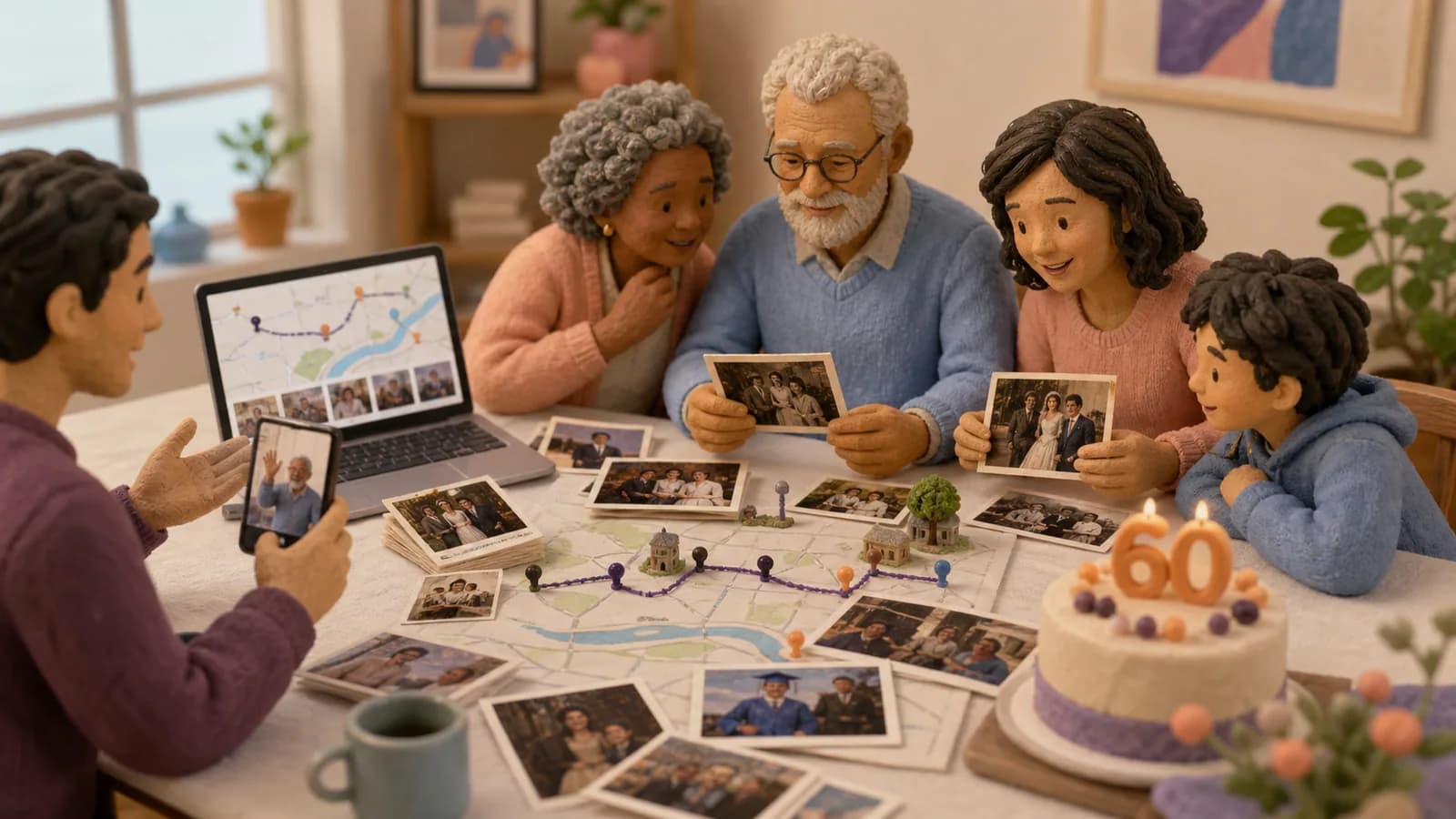
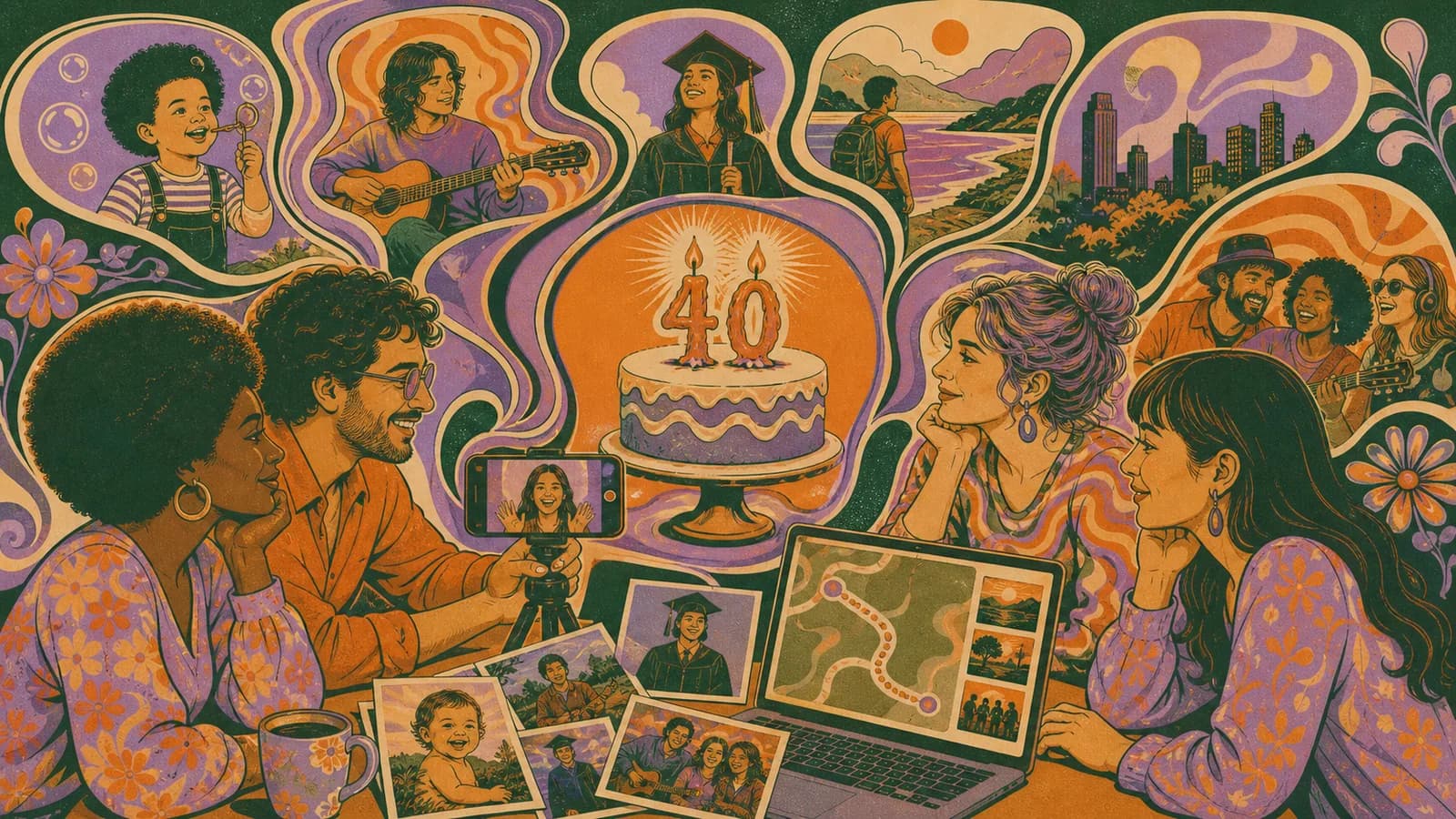
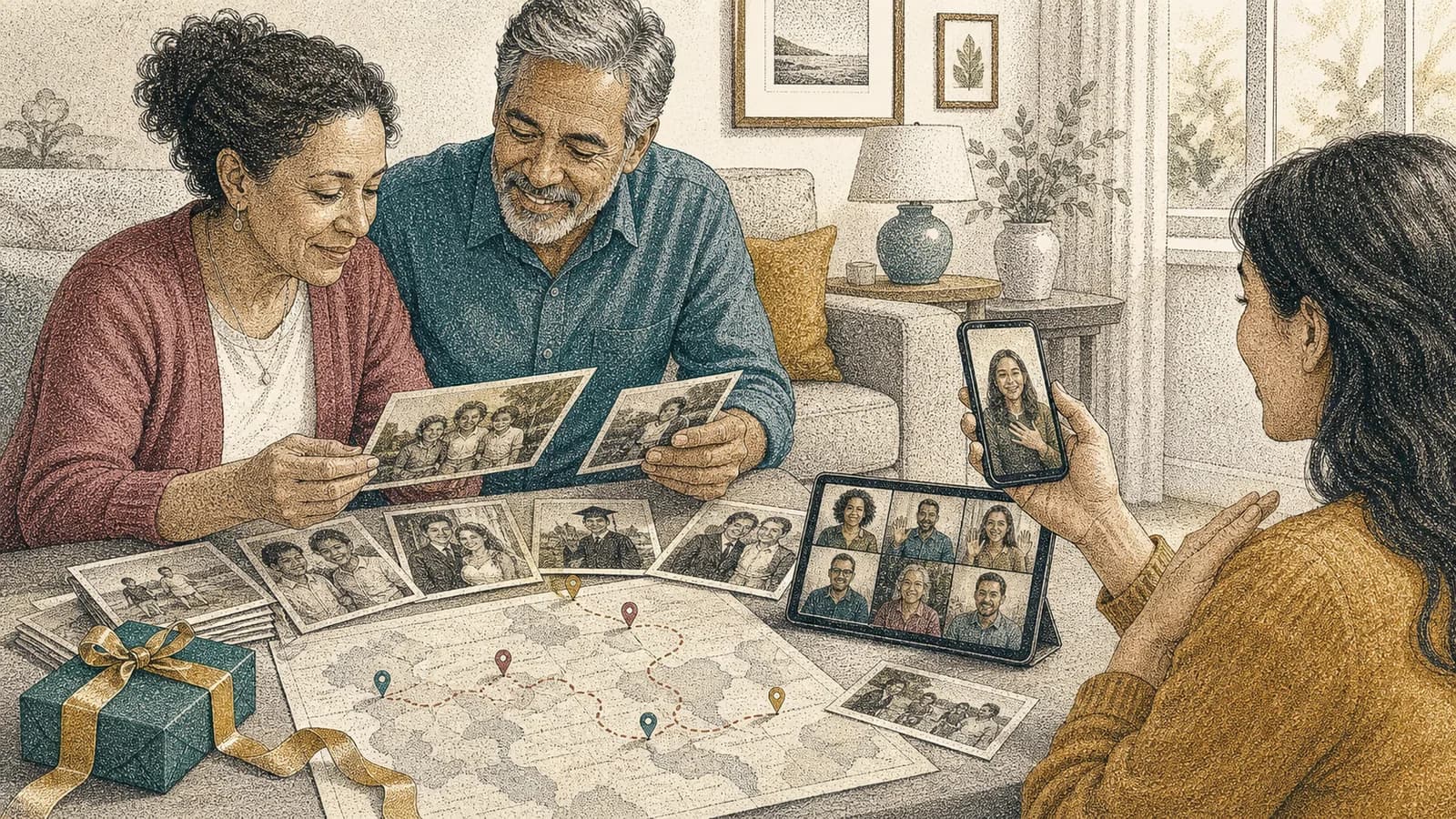
AlbumMap can help when these pieces should become a map-based story instead of a simple row of greetings. Use this option only when the locations add meaning. A straightforward group montage is enough when places are not central to the gift.
Plan a reveal that fits the child
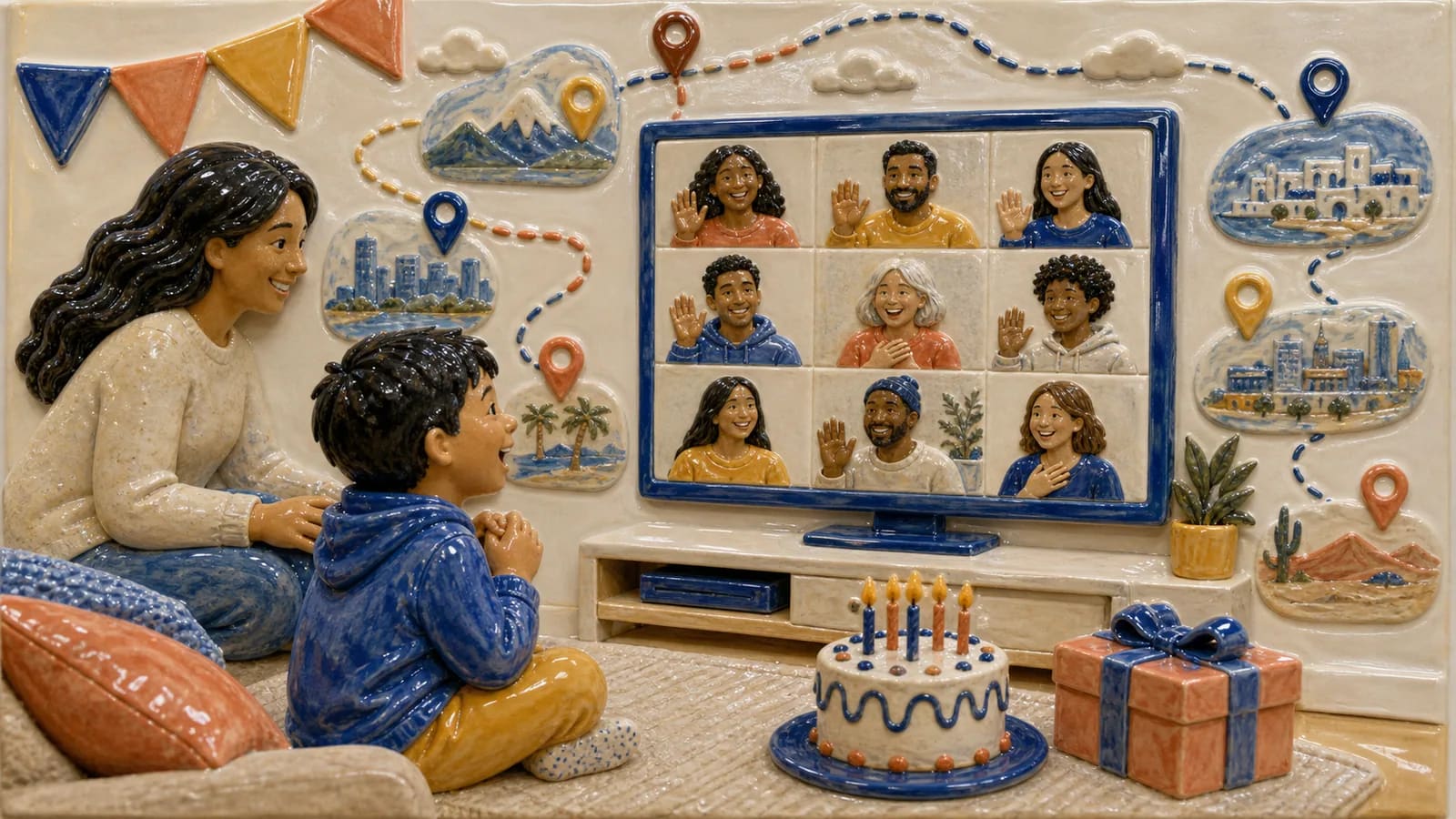
A party reveal works for a child who enjoys being the center of attention. Test the television, laptop, speakers, and internet connection before guests arrive. Play the video when the room is settled, not during a noisy game or meal.
A private reveal may be kinder for a shy child or one who feels overwhelmed by a crowd. Watch it together at breakfast, after school, or before bed. Let the child choose whether to replay it for party guests later.
For a playful reveal, place a QR code inside a card, create a short clue hunt, or wrap a tablet remote in a gift box. Keep the surprise simple. The people on the screen should remain the main event.
Use a calm backup plan
If only a few clips arrive, do not fill space with random effects. Build a shorter video and add favorite photos, a handwritten title card, or a final message from the household. A sincere two-minute gift can still work well.
If an important clip arrives late, save it as a birthday bonus. You can play it after the main video or send it the next morning. Do not delay the whole celebration while waiting for one file.
If editing becomes stressful, reduce the plan. Put the clips in a clear order, balance the sound, and add a simple opening and ending. The child will care more about the familiar faces than complex transitions.
Check the surprise before the birthday
Watch every second before showing the child. Check names, sound levels, photo choices, private information, and jokes. Make sure no contributor accidentally reveals a separate surprise or includes content meant only for adults.
Save a local backup or another secure copy. Turn off message previews on the device used for the reveal, so a late contributor cannot expose the plan. Open the correct file before bringing the child into the room.
Then let the moment be natural. The child may laugh, hide their face, ask questions, or want to replay one part. There is no required reaction. The gift has done its job when it shows that many people made time to celebrate them.
Examples You Can Copy
Copy-ready group invitation
Hi everyone! We are making a surprise birthday video for [Child's name]. Please send a 15- to 30-second phone video by [date]. Choose one prompt: share a happy memory, say what makes [name] special, tell a kind joke, or give one wish for the year ahead. Please upload it here: [link]. Keep it a secret!
Copy-ready request to another parent
Hi [Parent's name]. We are making a private birthday video for [Child's name], and they would be happy to see a message from [Friend's name]. Would you be comfortable helping them record a short clip? It will be shown at [a family gathering/the party] and will not be posted publicly. The deadline is [date], and the private upload link is [link].
Copy-ready reminder
A quick reminder that [Child's name]'s surprise video clips are due on [date]. A short, simple phone video is perfect. Please upload yours here: [link]. Thank you for helping us keep the surprise!
Message for a grandparent
Happy birthday, [name]! I still smile when I think about the day we [simple memory]. You bring so much fun and kindness to our family. I hope this year gives you new adventures, good friends, and plenty of reasons to laugh. I love you!
Message for a friend
Happy birthday, [name]! My favorite thing about being your friend is [specific detail]. I had so much fun when we [shared moment]. I hope we get to do more of that this year. Have an amazing birthday!
Short message for a young contributor
Happy birthday, [name]! I like playing [game or activity] with you. You are a great friend. I hope you have lots of fun today!
Copy-ready reveal note
This gift has a message from people who know how special you are. Press play when you are ready. Happy birthday—we hope you enjoy every surprise face!
Final Thoughts
The best video surprise does not need perfect clips or elaborate editing. It needs familiar people, clear prompts, and choices that respect the child. Start early, keep messages short, and plan a reveal that suits their personality. If the memories also belong to homes, schools, trips, or family towns, AlbumMap can connect those places with the photos, clips, and notes. The result can become more than a set of greetings. It can show the child how people and places have helped shape their story.
Helpful answers
Frequently asked questions
- How long should a birthday video for a child be?
- Three to six minutes is a practical starting point for many children. Keep it shorter for a young child or anyone who loses interest quickly. A longer video can work when the child is older and every contributor has a close connection.
- How long should each birthday message be?
- Ask most people for 15 to 30 seconds. Give a close relative a little more time if they have a meaningful story. Short clips help the final video move quickly and make recording easier for contributors.
- What should people say in a child's birthday video?
- Give each person one prompt. They can share a happy memory, name something kind about the child, tell a suitable joke, or offer a wish for the coming year. Specific details feel warmer than a general greeting.
- Can classmates contribute to the surprise video?
- Yes, but contact their parents or guardians and explain how the recording will be used. Use a private collection method, avoid public sharing without permission, and keep school or personal details out of the finished video.
- When is AlbumMap useful for this birthday surprise?
- AlbumMap is useful when messages are connected to photos, short videos, written notes, and places. It can help the gift move through a family home, school, sports field, trip, or relatives' cities as one map-based story.