Volunteer Appreciation Video Ideas That Feel Personal
A volunteer appreciation video can make people feel seen because it carries real voices, faces, and memories. It does not need a large budget or a professional film crew. A few specific thank-you messages can be more meaningful than a polished speech. The main challenge is helping contributors move beyond broad praise. This guide offers personal themes, useful prompts, copy-ready examples, and a simple plan. It works for nonprofits, schools, faith groups, community programs, clubs, and other volunteer-led organizations.
How to Plan a Volunteer Appreciation Video That Feels Personal
Start by deciding who the video is for. You may be thanking one long-serving volunteer, a small project team, or everyone in your program. That choice affects the length, prompts, and sharing method.
Next, choose one clear purpose. The video might celebrate National Volunteer Week, close a campaign, mark a service anniversary, or thank people after a difficult season. Write the purpose in one sentence before inviting contributors.
Decide where the finished video will be shown. A private message can include personal stories. A public event video needs details that everyone has agreed to share. Tell contributors about the audience when you request their clips.
10 Volunteer Appreciation Video Ideas With a Personal Focus
1. One specific difference. Ask each person to describe something that became possible because volunteers helped. A clear result feels stronger than saying the volunteers were amazing.
2. A day in the project. Use photos and short clips to follow one shift, event, delivery, cleanup, class, or community activity. Add brief messages from the people who worked beside the volunteers.
3. The story behind the numbers. If your organization shares totals, connect them to people. Explain what a meal, visit, repaired space, packed box, or coached session meant to someone. Use approved details only.
4. Messages from the people closest to the work. Invite program staff, fellow volunteers, community partners, or participants to record short thank-you clips. Provide a written-message option for anyone who does not want to appear on camera.
5. A volunteer spotlight. Build the video around one person’s service journey. Include why they joined, a favorite memory, what others learned from them, and a warm closing. Ask before sharing personal history.
6. Then and now. Pair early project photos with recent images. This format can show how a garden, program, event, or team grew over time. Keep the focus on shared effort instead of claiming that one person did everything.
7. Lessons volunteers taught us. Ask contributors to name a practical lesson, habit, or value they learned from the volunteers. Answers such as patience, steady care, and creative problem-solving can lead to honest stories.
8. A place-based service story. Show the park, shelter, school, food bank, community centre, trail, or neighbourhood connected to the work. Add a memory or message at each place. Use general locations when an exact address could create a privacy concern.
9. A group sentence. Give each contributor one short part of a shared message. When the clips are joined, the group delivers one complete thank-you. Leave space for natural voices so the result does not feel stiff.
10. Looking ahead together. Thank volunteers for what they have already done, then share a hopeful message about the next chapter. Keep the invitation gentle. Appreciation should not turn into pressure to give more time.
Use Prompts That Lead to Real Stories
A broad request often produces repeated lines. Instead of asking people to say something nice, give them two or three focused prompts. Let each person choose one.
Try these questions: What is one moment that shows this volunteer’s care? What became easier because they were there? What is something they did when nobody was watching? What did they teach you? Which place or project will always remind you of them?
Ask for one detail in every message. A name, task, place, small habit, or remembered moment can make a short clip feel personal. Contributors should still avoid private information that the volunteer has not agreed to share.
Give Contributors a Simple Recording Plan
Ask for clips between 15 and 30 seconds. A person with a full story can record up to 45 seconds, but most messages should stay short. This keeps the finished video moving.
Suggest a three-part message: greet the volunteer, share one specific detail, and end with thanks. Notes are helpful, but a full script can sound formal. Encourage contributors to speak as if the volunteer were in the room.
Offer more than one way to join. People can submit a short video, written note, approved photo, voice recording, or drawing. These choices make the project easier for people with different comfort levels and access needs.
Follow a Seven-Step Group Workflow
Step 1: Name one organizer. This person manages the invitation, deadline, files, permissions, and final review.
Step 2: Choose the audience and sharing method. Decide whether the video will be sent privately, shown at an event, shared within the organization, or posted publicly.
Step 3: Send one clear request. Include the purpose, prompts, clip length, deadline, upload method, and privacy note.
Step 4: Give contributors five to seven days when possible. Send one friendly reminder two days before the deadline.
Step 5: Sort the material by person, theme, project, or place. Remove repeated comments and anything that lacks permission.
Step 6: Build a short opening, a varied middle, and one strong closing. Add captions and check every name.
Step 7: Ask one person who knows the volunteers to review the finished video. Confirm tone, privacy, sound, captions, and sharing settings before the reveal.
Make Phone Recordings Easier to Watch
Ask people to record in a quiet place and face a window or soft light. The phone should rest on a stable surface when possible. Contributors should look at the camera lens and leave a short pause before and after speaking.
Choose horizontal or vertical video before sending the request. One shared format makes editing easier. If you expect mixed clips, design the layout so neither format looks accidental.
Clear sound matters more than a perfect background. Keep music low under speech and use music you have permission to include. Add captions so people can follow every message without relying on sound.
Arrange the Video So Every Volunteer Feels Included
Open with a direct thank-you and a photo or clip that represents the group. The first few seconds should explain who is being recognized and why.
Mix speakers, photos, written notes, and project footage. Avoid placing every leader first and every volunteer last. If the video thanks a large group, include several roles, schedules, ages, and types of service.
End with a shared message, group wave, project photo, or simple title card. Check that no one person receives most of the attention unless the video is an individual spotlight.
Protect Privacy and Avoid Uncomfortable Recognition
Ask before using a person’s image, full name, story, or service details. Public recognition is not comfortable or safe for everyone. A private version may be the better choice.
Do not show client information, private records, home addresses, vehicle plates, access codes, or identifying details in the background. Follow your organization’s rules for children and vulnerable people.
Use accurate language. Do not share medical, financial, immigration, or personal hardship stories without clear permission. When in doubt, thank the volunteer for the action you directly observed.
Check pronunciation, names, captions, and titles. Provide a transcript when useful. These small steps show the same care that the video is meant to express.
When AlbumMap Adds Something Useful
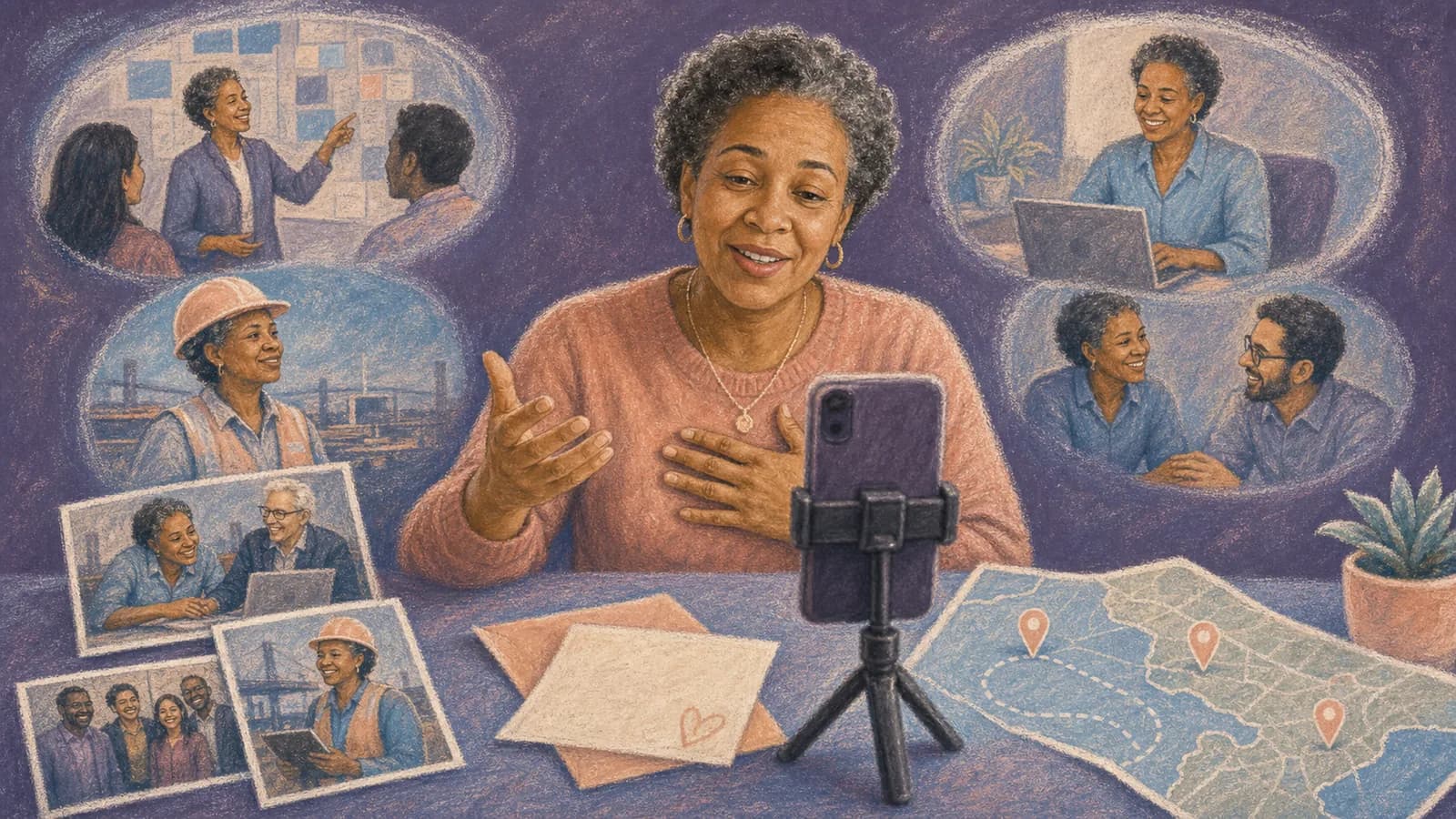
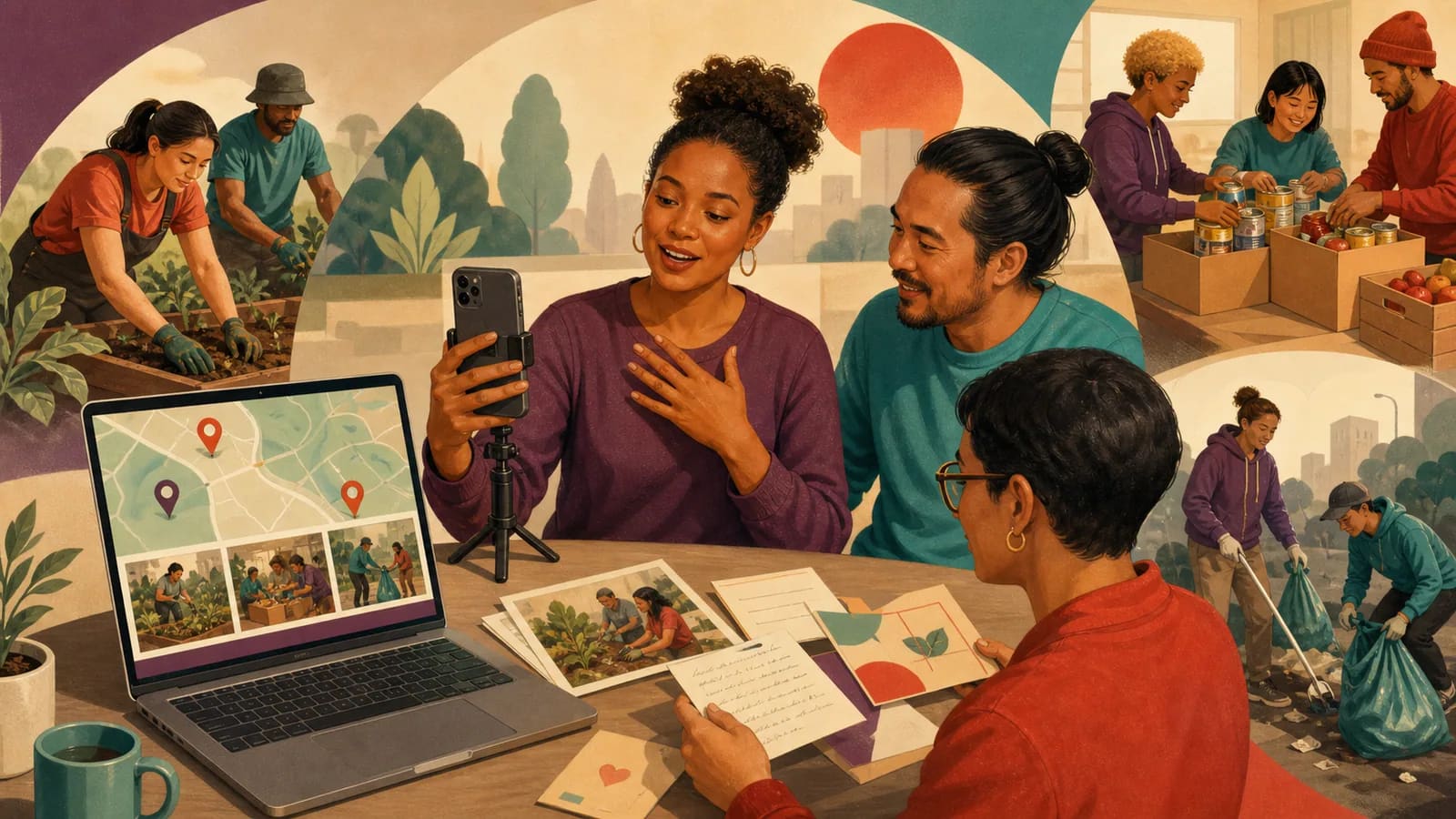
AlbumMap fits when the volunteer story is tied to several people and places. A community group could connect messages to a garden, school, shelter, event venue, trail, or neighbourhood project. Remote contributors can also add thanks from the places where they now live.
The organizer can collect approved photos, short videos, written notes, and locations in one project. The final map-based story can move between service sites and the memories connected to them.
Use this approach only when places help tell the story. A simple message montage may be better if the work happened in one location or if mapping sites could create a privacy risk. General city or neighbourhood labels can replace exact addresses.
A One-Week Plan for a Volunteer Thank-You Video
Day 1: choose the audience, theme, organizer, and sharing method. Day 2: send the request with prompts and permission details. Days 3 to 5: collect clips, notes, photos, and approved locations.
Day 6: arrange the material, add captions, balance the voices, and check the sound. Day 7: complete a privacy review, preview the video on a phone and computer, and share it in the way you promised.
If you have less time, reduce the scope. Three sincere messages with clear sound are better than a rushed video filled with repeated praise.
Common Mistakes to Avoid
Do not make every person read the same long script. Shared wording can help with the opening or closing, but the middle should include real details.
Avoid turning the video into an advertisement for the organization. The volunteers and their contribution should remain at the centre of the story.
Do not surprise someone with public attention if you do not know how they feel about it. Confirm the audience and sharing plan first. Finally, do not wait until editing to check permission. Ask when you collect each item.
Examples You Can Copy
Copy-ready invitation for contributors
Hi everyone. We are creating a short thank-you video for our volunteers. Please send a 15- to 30-second clip by [date]. Choose one prompt: What is one moment that showed their care? What became possible because they helped? What did you learn from them? The video will be [shared privately/shown at our event/posted publicly]. You may send a written message or approved photo instead.
Short message for one volunteer
Hi [Name]. Thank you for showing up every week with patience and care. I still remember how you stayed late to help us finish [specific task]. You made a hard day feel manageable, and we are grateful for you.
Message for a whole volunteer team
To every volunteer who gave time to [project], thank you. You welcomed people, solved problems, carried supplies, and kept going when the days were busy. This work felt possible because you were part of it.
Message from a program leader
Your help did more than fill a schedule. You brought calm, kindness, and steady support to [program]. The care you showed during [specific moment] is something our team will remember.
Place-based contribution request
Please include one place connected to your memory, such as a project site, park, school, community centre, or city. Send a short message explaining what happened there. Use a general location if an exact address should remain private.
Copy-ready closing message
Thank you for the time, skill, and care you shared with our community. Each person brought something different, and together you made [specific result] possible. We hope this video shows how much your contribution has meant.
Final Thoughts
The best volunteer appreciation video is not the most polished one. It is the one that notices real effort. Choose a focused theme, ask for specific stories, and make it easy for different people to contribute. Protect privacy and match the sharing plan to the volunteers’ comfort. When the story includes several service sites, photos, messages, and remote contributors, AlbumMap can connect those pieces through the places that shaped the work.
Helpful answers
Frequently asked questions
- How long should a volunteer appreciation video be?
- Two to five minutes works for many small groups. A video for a large volunteer base may be longer, but each message should usually stay between 15 and 30 seconds. Remove repeated comments and keep the pace varied.
- What should people say in a volunteer thank-you video?
- Use a greeting, one specific example, and a clear thank-you. Contributors can describe a moment they remember, something the volunteer made possible, or a lesson they learned from working together.
- How can we include volunteers who do not want to appear on camera?
- Invite written notes, approved photos, drawings, or voice recordings. A person can also help choose memories or review the final video without being shown. Respecting that choice is part of meaningful recognition.
- Can we post the appreciation video on social media?
- Only post it when the people and organization involved have approved public sharing. Check names, images, background details, music, client information, and rules concerning children or vulnerable people first.
- When is AlbumMap useful for a volunteer recognition video?
- AlbumMap is useful when the story includes several contributors, service locations, photos, short clips, and written messages. A map can connect those pieces when the places add meaning. Use broader location labels when exact sites should remain private.