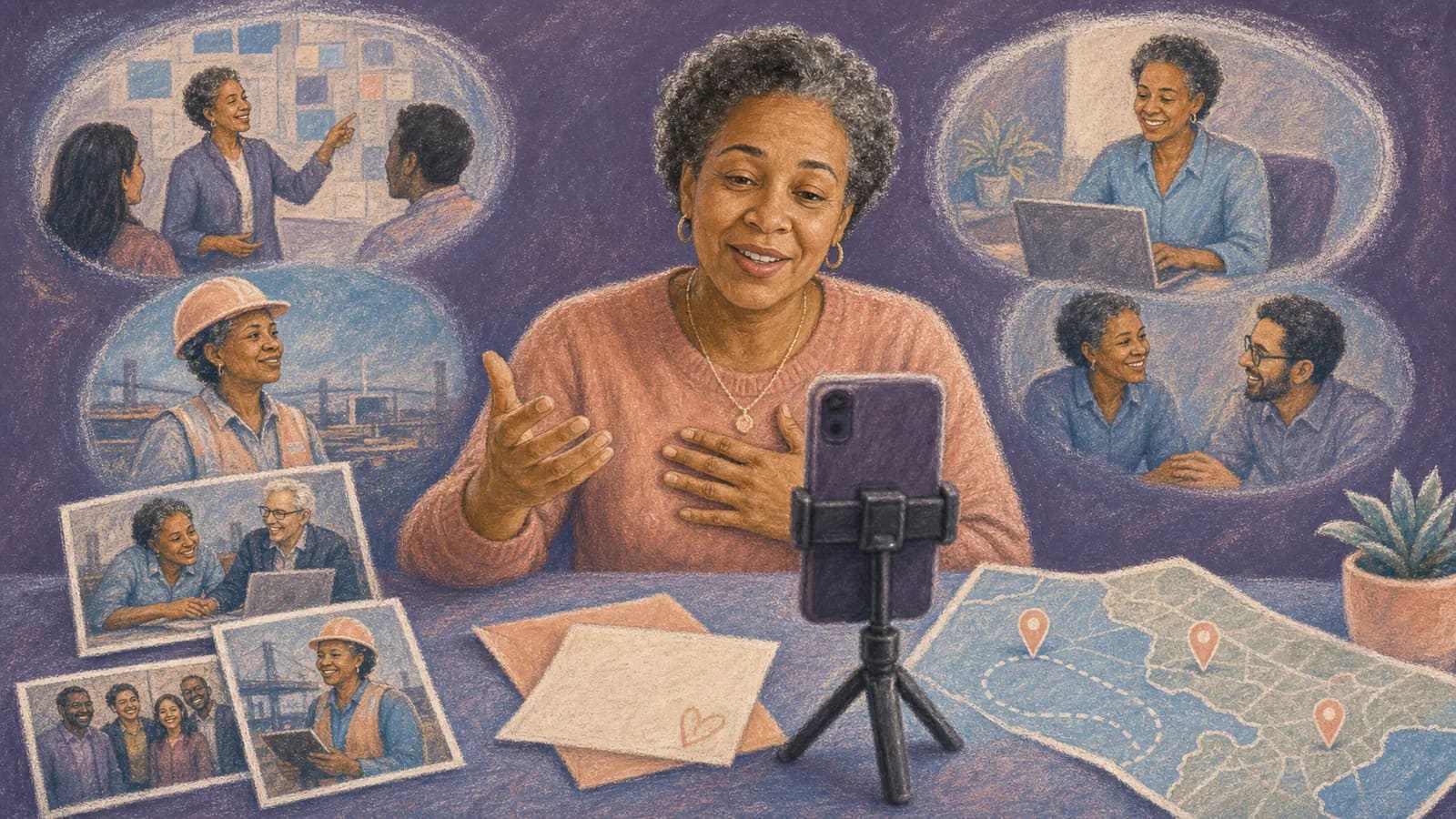
What to Say in a Retirement Video Message
A retirement video message should make the retiree feel seen, thanked, and hopeful about what comes next. You do not need to give a formal speech. A warm greeting, one specific detail, and a kind wish are often enough. This guide will help you find the right words for a coworker, boss, employee, friend, or family member. You will also find copy-ready examples that you can adjust before you record.
A Simple Retirement Video Message Structure
Use four short parts when you do not know where to begin. First, greet the retiree and congratulate them. Second, thank them or name a quality you value. Third, add one real memory or example. Last, wish them well in retirement.
A simple outline might be: “Hi [Name]. Congratulations on your retirement. Thank you for [specific contribution]. I will always remember [brief memory]. I hope this next chapter brings you [personal wish].”
You do not need to give each part equal time. A close friend may spend more time on a shared story. A newer coworker may focus on appreciation and good wishes. The structure is a guide, not a script you must follow word for word.
Aim for one main idea. Trying to cover an entire career in one clip can make your message sound rushed. Other contributors will add their own memories, so your job is to share one honest piece of the story.
Choose One Specific Detail Before You Record
General praise is kind, but a real detail makes it believable. Instead of saying, “You were a great leader,” explain what the person did. You might mention how they welcomed new employees, stayed calm during a hard project, shared useful advice, or made ordinary workdays more enjoyable.
Think about a moment that shows the retiree's character. It does not need to be a major award or business success. A lunch-table habit, patient explanation, thoughtful check-in, or small act of support may say more about the person.
If your memory involves a client, student, patient, or private project, remove identifying details. You can still describe the retiree's kindness or skill without sharing information that belongs inside the workplace.
A useful prompt is: “What did this person do that I will still remember a year from now?” Your answer can become the center of your message.
Match the Words to Your Relationship
For a close coworker, you can mix gratitude with a personal memory. Name something you will miss, such as morning conversations, shared problem-solving, or a familiar team tradition. End with a plan to stay in touch only if you mean it.
For a boss or mentor, focus on guidance and impact. Mention one lesson, opportunity, or example that changed how you work. Respectful does not have to mean stiff. Speak as if you are thanking them in person.
For an employee or direct report, recognize the value they created. Avoid making the message sound like a performance review. Talk about their effect on people, the standards they set, or the trust they earned.
For a newer coworker, honesty works better than pretending you shared a long history. You can say that you did not work together closely while still recognizing the person's reputation, contribution, or welcome presence.
Friends and family can connect the career to the person outside work. They might share pride, remember an early ambition, or express excitement about having more time together. Their message can help the video move from the working years toward the next chapter.
Pick a Tone That Feels Like You
A sincere message works for almost every retirement. Keep your voice calm and use normal words. You do not have to sound emotional for the message to feel meaningful.
A professional message is useful for senior leaders, clients, volunteers, or someone you know mainly through work. Keep it warm, but avoid private stories and jokes that require an explanation.
Humor can work when it reflects an existing relationship. Safe topics may include meetings, coffee, commuting, calendar invitations, or a well-known harmless habit. Avoid jokes about age, health, money, marriage, memory, or being replaced.
A short message is not a weak message. One clear thank-you can be better than a long speech. If you have only 15 seconds, greet the retiree, name one contribution, and offer one good wish.
You can also blend tones. Begin with a light comment, move into sincere thanks, and finish with a hopeful wish. This often feels natural for coworkers who shared both difficult and funny moments.
What to Say in Common Situations
If you are nervous, say the retiree's name and imagine speaking only to them. Start with the easiest true sentence. For example: “I am glad I had the chance to work with you.” Once you begin, the rest often feels easier.
If you do not know the retiree well, keep the message simple. Recognize the milestone and the effect they had on the wider team. Do not borrow a story you did not experience.
If the retirement follows a difficult period, avoid guessing about the reasons or saying they “deserve to escape.” Focus on respect, gratitude, and good wishes. A calm message protects the retiree's privacy.
If you are speaking for a team, use “we” only for points the group has agreed on. You can still add one short personal sentence in your own voice.
If the retiree seems unsure about the change, do not tell them how they should feel. Retirement can bring excitement, relief, sadness, or uncertainty. Wish them time, freedom, support, or good new experiences without making assumptions.
What to Leave Out
Do not turn the clip into a speech about yourself. A shared memory is useful, but the retiree should remain at the center of the story.
Avoid a long list of job titles, dates, and awards unless you were asked to cover the career history. One example of their impact will usually feel more personal.
Do not reveal private plans. The retiree may not want everyone to know about family matters, health, finances, travel, or the reason they are leaving. Use only details they have shared openly.
Skip backhanded praise, workplace complaints, and jokes about poor habits. The final video may be watched by family members, senior leaders, clients, or people outside the original team.
Do not copy a polished example without changing it. Replace the placeholders and broad praise with words you would actually use. A small pause or imperfect sentence can sound more genuine than a perfect script.
How to Sound Natural on Camera
Write three bullet points instead of a full page. Your notes might say: congratulate, project memory, garden wish. This keeps you focused without making you sound as if you are reading.
Look toward the camera and speak a little more slowly than usual. Record in a quiet place with light facing you. Place the phone on a stable surface near eye level.
Try one practice recording. Watch it once for sound, pace, and private details. You do not need to repeat it until every word is perfect. A natural smile or brief laugh can make the message feel warm.
For most group videos, 20 to 40 seconds is enough. A longer story can work when the organizer has requested it. Follow the length and phone-direction instructions you receive.
Say the retiree's name near the beginning. It helps the message feel direct. Finish with a clear closing, such as “Congratulations,” “We will miss you,” or “Enjoy this next chapter.”
When One Message Becomes Part of a Shared Story
A single clip may be all the organizer needs. In a larger tribute, coworkers, former teammates, friends, and family can each add a different view of the retiree. The strongest group videos avoid asking everyone to say the same thing.
If you are organizing the project, give contributors two or three prompts. You can ask for a lesson, a memory, a quality, or a wish. For full planning and collection steps, use AlbumMap's retirement video ideas guide rather than repeating the whole process here.
Some career memories are closely tied to places. They may include a first office, school, hospital, work site, branch, conference city, team trip, or volunteer community. Ask the contributor to name the location and explain why it matters.
AlbumMap is useful when those places should become part of the story. Photos, short clips, written notes, and messages from several people can be connected to meaningful locations in one map-based video. If place is not important, a simple message montage may be the better choice.
Examples You Can Copy
Short and sincere message
Hi [Name]. Congratulations on your retirement. Thank you for the steady support you gave our team. You made difficult days feel manageable, and I will miss working with you. I hope retirement brings you plenty of time for the people and activities you love.
Message for a close coworker
Congratulations, [Name]. I will always remember our early mornings during [project or season] and how you kept everyone calm when plans changed. Work will not feel the same without you. I hope your next chapter includes slow mornings, good trips, and many reasons to laugh.
Message for a boss or mentor
Hi [Name]. Thank you for trusting me with [opportunity] and for teaching me how to [specific lesson]. Your advice changed the way I approach my work and support other people. Congratulations on your retirement. I hope the years ahead are rewarding and full of new experiences.
Message from a manager to a retiring employee
Congratulations, [Name]. Your care, skill, and reliability have shaped this team for many years. I especially appreciate how you [specific action or contribution]. Your influence will remain here after your final day. Thank you, and enjoy a well-earned retirement.
Message when you did not work together closely
Hi [Name]. We did not have many chances to work together, but your positive impact on this team is clear. People speak often about your experience and generosity. Congratulations on your retirement, and best wishes for everything ahead.
Professional retirement message
Congratulations on this important milestone, [Name]. Thank you for the leadership and sound judgment you brought to [team or organization]. It has been a privilege to work with you. I wish you health, happiness, and a fulfilling retirement.
Funny but respectful message
Congratulations, [Name]. You have officially earned the right to ignore calendar invitations and enjoy coffee without checking the time. We will miss your good sense and your even better stories. Have a wonderful retirement.
Message from a friend or family member
We are so proud of you, [Name]. We remember when your career began and have watched how much care you gave to your work and the people around you. We are excited to have more time for [shared activity]. Congratulations on this new chapter.
Message tied to a meaningful place
Hi [Name]. Whenever I think of our time at [office, school, work site, or city], I remember [specific moment]. You helped make that place special for many of us. Thank you for everything you gave the team, and congratulations on your retirement.
Very short retirement message
Congratulations, [Name]. Your kindness and experience made a real difference here. We will miss you, and we hope retirement brings you joy, rest, and many good adventures.
Copy-ready contributor prompt
Please record a 20-to-40-second message for [Name]. Start with congratulations, share one memory or thank-you, and end with one wish for retirement. If your memory is tied to an office, city, school, work site, or trip, please name the place too.
Final Thoughts
The best retirement video message is not the most polished one. It is the one that sounds true. Start with congratulations, choose one specific detail, and end with a wish that fits the person. Keep private information out, use humor with care, and speak in your normal voice. When many messages, photos, clips, and career locations belong in the same tribute, AlbumMap can help connect them through the places that shaped the story.
Helpful answers
Frequently asked questions
- How long should a retirement video message be?
- For most group videos, aim for 20 to 40 seconds. That is enough time for a greeting, one specific memory or thank-you, and a retirement wish. Follow the organizer's instructions if they request a different length.
- What should I say to a retiring coworker?
- Congratulate them, name one thing you value, share a brief memory, and wish them well. A specific detail about their kindness, skill, humor, or support will feel more personal than general praise.
- What can I say when I do not know the retiree well?
- Be honest and respectful. Congratulate them, recognize their contribution or reputation, and offer a simple wish for the future. You do not need to pretend that you shared a close relationship.
- How do I make a retirement message funny without being rude?
- Use gentle humor about safe, familiar topics such as meetings, commuting, coffee, or calendar invitations. Avoid jokes about age, health, money, marriage, memory, or any private workplace matter.
- Should I read from a script?
- You can use a script, but three short bullet points often sound more natural. Note your greeting, your main memory or thank-you, and your closing wish. Practice once, then speak toward the camera.
- What should a boss say to a retiring employee?
- Recognize the person's effect on the team, give one example of their contribution, and thank them directly. Keep the message warm and personal instead of making it sound like a formal performance review.
- Can family members contribute to a workplace retirement video?
- Yes, when the retiree and organizer are comfortable with it. Family can share pride, early career memories, photos, or hopes for the next chapter. Their messages often create a warm ending.
- When should a retirement message mention a location?
- Mention a place when it carries a real memory, such as an office, school, hospital, project site, conference city, or team trip. Explain what happened there and why it matters instead of naming the place alone.