Introduction
Evergreen vs trending content is not a choice between “good” and “bad.” It is a choice about timing. An evergreen map video can stay useful because it tells a lasting story or answers a repeat question. A trend-based video can help you join a timely conversation while people are already paying attention. The better choice depends on what you want the video to do after its first week. If you are making a video from shared memories, photos, messages, and places, start with the story you want people to return to.
Then decide whether a timely hook would make that story easier to notice. Ready to turn a set of places into one story? Build it as an animated map video.
What the video shows
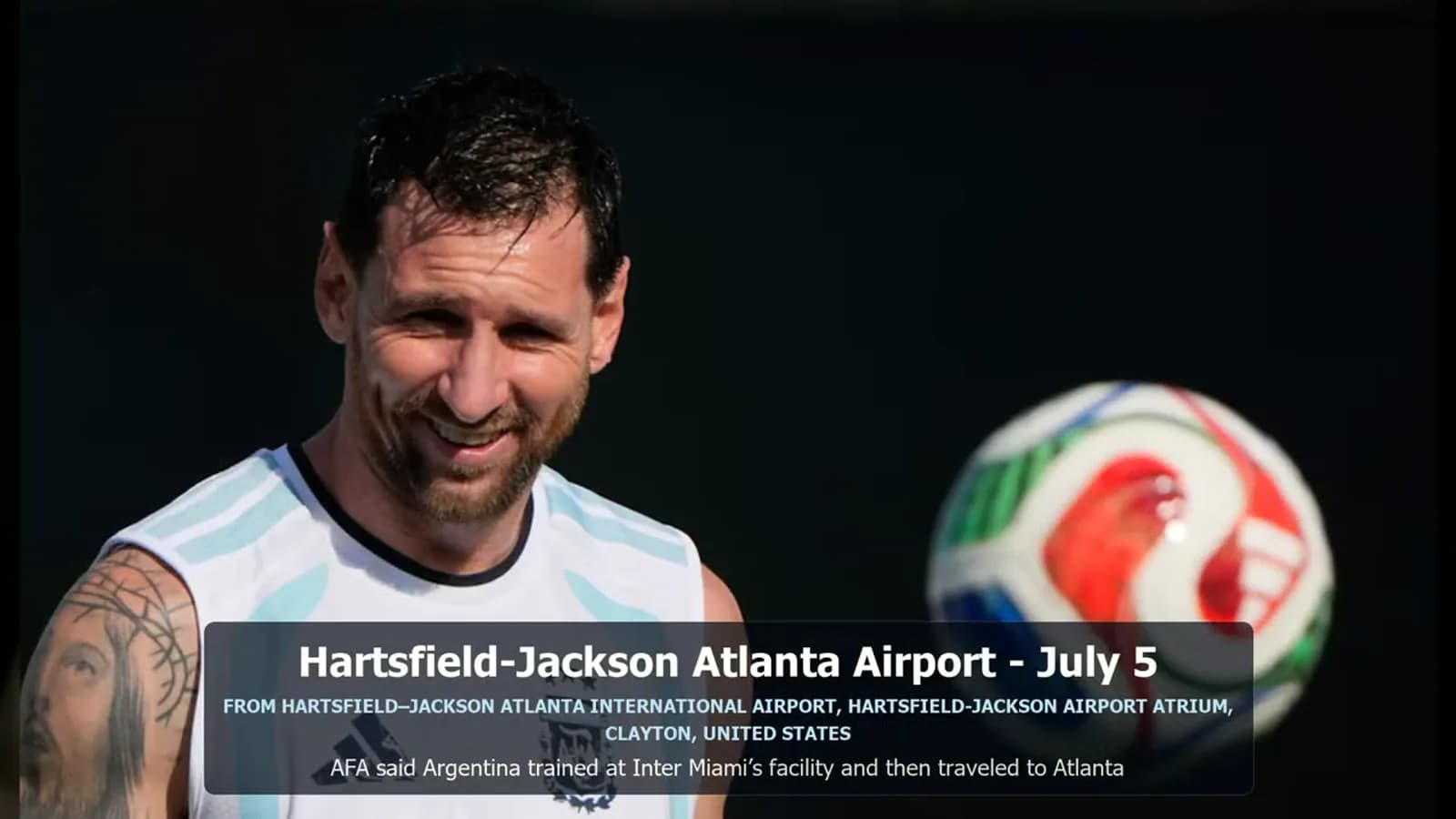
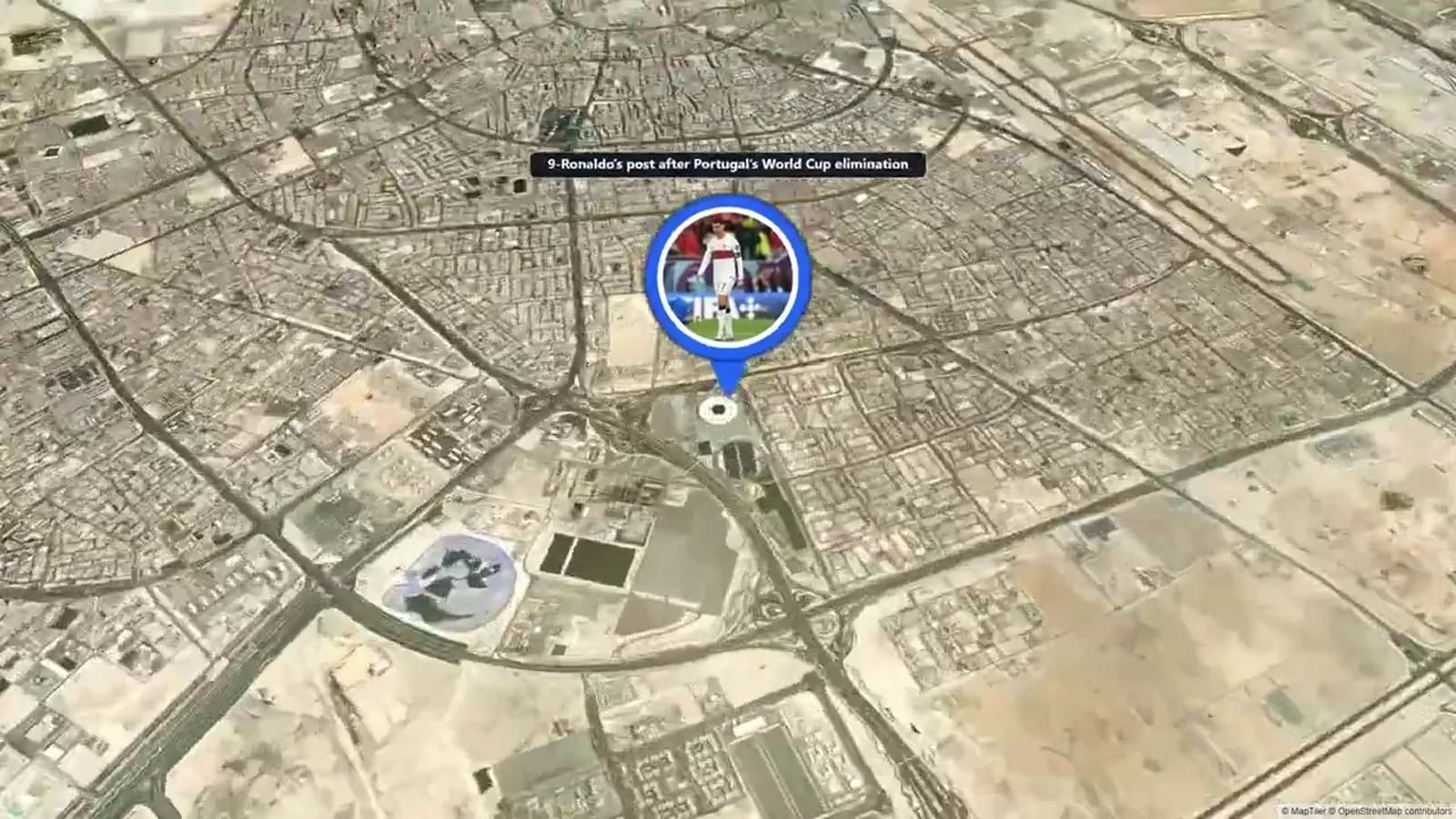
AlbumMap’s “Most-Liked Instagram Posts Ever: Top 9 - 2024 Snapshot” uses a short countdown. It opens by naming the scope, then moves through nine labeled segments from rank nine to rank one. The examples include sports moments, an advertising campaign, AI imagery, and the viral egg. The closing frame presents AlbumMap. The format makes the video easy to scan because every transition has a clear job: move to the next ranked example.
This is a strong example of trend-aware packaging. The subject is built around social attention, so the ranking should never be treated as fixed. Yet the structure can still teach a lasting lesson. A reader can borrow the clear opening, numbered movement, and short labeled stops for a map story without copying a ranking claim.
Evergreen vs trending content: start with the job
Evergreen content stays useful because the need behind it keeps returning. A guide to organising photos by location, a plain explanation of map videos, or a travel-recap template can help a new reader months later. It may need small updates, but the core question stays familiar.
Trend-based content is tied to a moment. It could respond to a social format, a seasonal event, a new platform feature, or a popular ranking. Its value often comes from speed and context. If the moment passes, the post may still be enjoyable, but it may no longer be the best answer to a reader’s question.
A hybrid sits between the two. It uses a current example to introduce a durable idea. For instance, a dated roundup of popular social posts can lead into a lasting guide to making a respectful year-in-review map video from photos you own or are allowed to use. The current hook may fade. The planning advice can remain useful.
Compare lifespan before you plan production
Content lifespan is the time a piece can stay useful without major changes. Evergreen work usually has a longer lifespan because it answers a stable question. Trend-led work may have a shorter lifespan because the audience is looking for a fresh angle right now.
Longer does not always mean better. A quick recap can be right for a specific event, campaign, or celebration. The problem begins when a short-life idea gets a long-life production budget. Before filming, ask one plain question: will this still help the right person next year? If the answer is no, keep the production light and set an expiry or update date.
For a memory project, the same rule applies. A “best posts right now” video should be dated and easy to refresh. A “places that shaped our friendship” video can be built with more care because it has a personal reason to last.
Use the decision matrix to choose the format
Use this matrix before you collect clips, ask contributors for messages, or book editing time. It is not a scorecard for predicting views. It is a way to match the effort to the life of the idea.
If two options feel close, choose the version that best fits the reader or recipient. A trend may supply the opening. The deeper story should give people a reason to stay.
Production: make the fast work truly fast
Trend-based content needs a short decision path. Pick one timely point, one visual idea, and one useful takeaway. Use a reusable opening, caption style, and end card. Leave room to remove a dated claim if it becomes stale. Avoid a complex shoot for a topic that may be old news before the edit is finished.
Evergreen YouTube content can take more planning. Write the question it answers in plain words. Build a clear opening. Add chapters or labels where they help. Choose examples that do not depend on one week’s news. This does not mean the video must be slow or formal. It means the structure should still make sense when the date changes.
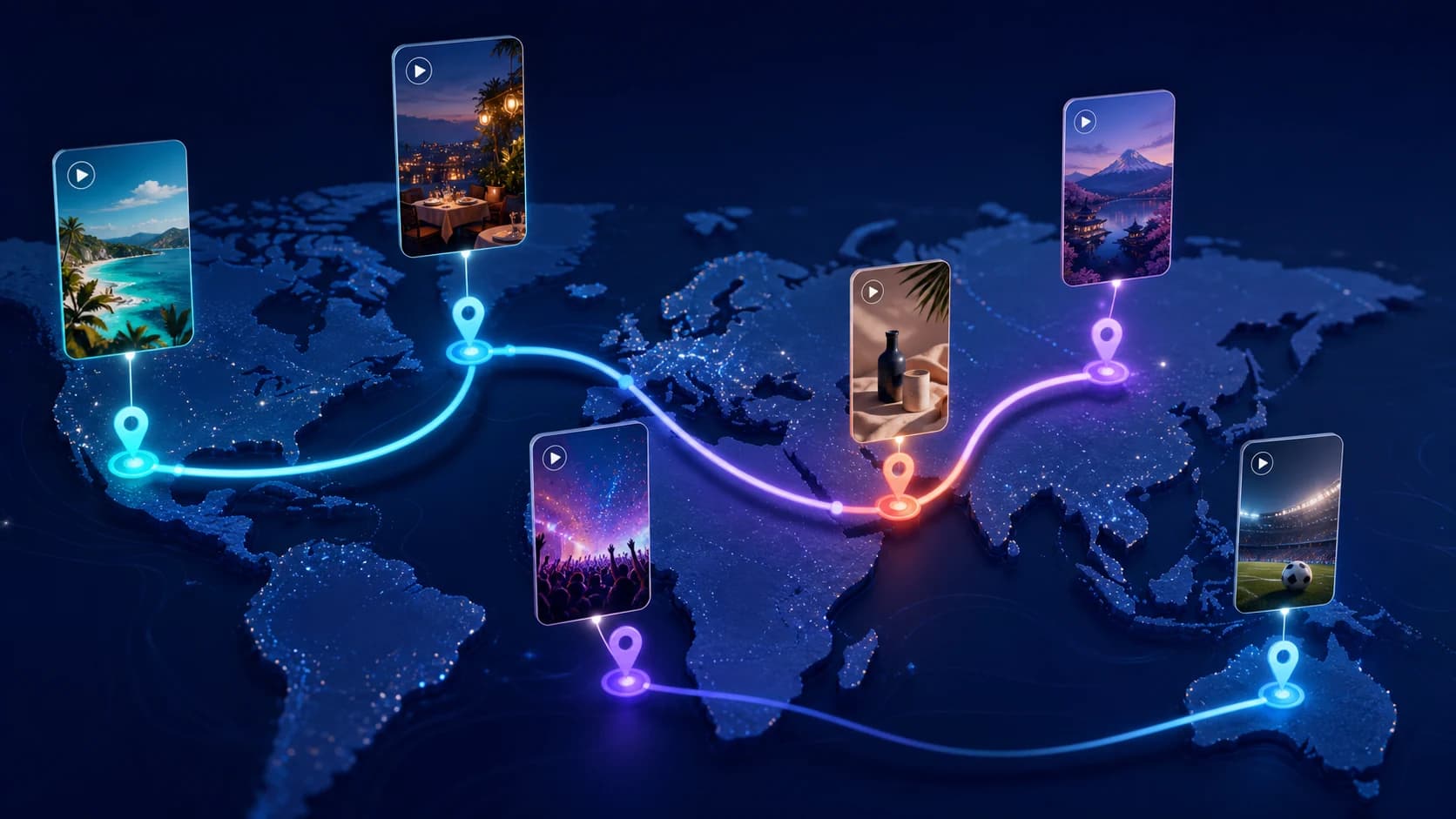
A map video can support both paths. For a fast recap, use a small set of approved photos, clips, or locations and label the timeframe. For a lasting gift, ask each contributor for one place, one memory, and one short message. The map then gives the story a route instead of showing files in random order.
Plan updates, links, and conversion intent
Evergreen does not mean “publish once and forget it.” Review examples, dates, links, and instructions on a schedule. If a guide uses a platform feature, say when it was checked. If a video contains a ranking, use a visible cutoff date. Updating a sentence, source, or screenshot can keep a helpful page honest.
Evergreen pages often give people a natural reason to link, save, or share because they solve a repeat question. Trend-based pages may earn attention while the topic is active, but their links can fade with the conversation. That is a reason to connect a timely post to a useful guide, template, or collection page.
Conversion intent is also different. A person reading an evergreen how-to guide may be calmly comparing options or planning a project. A person opening a trend post may be browsing a moment. Neither intent is guaranteed to lead anywhere. Give both readers a clear next step, but do not force the same call to action. A trending recap can point to a related evergreen guide. An evergreen guide can offer a simple way to begin a project.
Build a balanced mix instead of a fixed ratio
There is no universal percentage that fits every creator, team, or occasion. A small team with little time may need a dependable library first. A team covering fast-moving culture may need more room for timely pieces. Use your actual capacity and audience questions, not a borrowed rule.
Start with a few sturdy evergreen foundations. For AlbumMap, these could be guides about choosing locations, structuring a route, organizing travel footage, or making an animated map video. Then add timely pieces when there is a real reason: a seasonal recap, a graduation period, a year-end memory prompt, or a clearly dated social-post snapshot.
One useful balance is to pair each timely idea with a durable next step. A current “top posts” countdown can link to a guide on building a year-in-review map video from approved personal content. A seasonal travel recap can link to a location-based photo-organizing guide. The timely piece gets people into the conversation. The evergreen piece helps them do something with it.
Copy-ready examples
Use these as starting points. Change names, dates, and details so the words fit the real project.
Example 1 — timely opening: “Here are nine social moments that shaped our 2026 team chat. This is our August 2026 snapshot, so we kept the list dated. For each moment, we added one line about why it mattered to us.”
Example 2 — evergreen invitation: “We are making a map video of the places that shaped Dad’s story. Please send one photo or short clip, the location, and one or two sentences about what happened there. A small memory is perfect.”
Example 3 — hybrid ending: “This trend gave us the opening idea, but the story is bigger than the trend. Add your favorite photo, a place that matters, and a short note so this video still feels personal next year.”
Sources and verification
Last verified: 2026-08-09. Data cutoff: 2026-08-09. The embedded AlbumMap video is explicitly a 2024 snapshot of nine ranked Instagram posts. Rankings and platform trends can change, so review any time-sensitive examples, dates, and links before updating or republishing this article.
The comparison in this guide is practical rather than predictive. It does not promise traffic, shares, links, or conversions. The sources below informed the definitions, production considerations, and update approach.
Evergreen-versus-trending decision matrix
Use this table before production. Choose the format that matches the shelf life, effort, maintenance needs, and next action for the exact idea.
| Decision factor | Evergreen approach | Trending approach | Balanced choice |
|---|---|---|---|
| Lifespan | Useful for a recurring question or lasting memory. | Useful while a timely event, format, or conversation is active. | Use a dated timely hook that leads to a durable guide or story. |
| Production | Spend time on a clear structure, helpful examples, and reusable assets. | Keep the workflow light enough to publish while the context is still relevant. | Build a reusable template, then add one current example. |
| Updates | Review dates, links, examples, and instructions on a regular schedule. | Set a clear cutoff date and retire or refresh stale claims quickly. | Keep the main advice stable; swap the dated proof or example. |
| Link potential | Create a page people may save or reference for a repeat need. | Link to related evergreen help while the topic has attention. | Use the timely post as an entry point to a useful resource. |
| Conversion intent | Serve readers who are researching or planning a project. | Serve readers who are browsing a current moment. | Give a gentle next step that fits both the moment and the lasting need. |
| Map-video fit | Use a route, timeline, or collection of places that tells a personal story. | Use a dated recap, event route, or short social-style format. | Create a current recap that points to a keepsake story readers can build. |
Examples You Can Copy
Timely, dated recap prompt
We are making an August 2026 snapshot of the social moments our group kept sharing. Send one approved image or clip, the date, and a sentence about why it made us laugh, pause, or talk.
Evergreen map-story prompt
We are making a map video of the places that shaped this story. Send one photo or short video, the location, and one memory in your own words. A small detail is enough.
Hybrid caption
This trend is the starting point, not the whole story. Add a place, photo, or message that explains why the moment mattered to us.
Final Thoughts
The best plan is rarely all evergreen or all trend-based content. Make lasting work when the question or story will keep mattering. Make timely work when you can add something useful while the moment is active. Then connect the two. A trend can open the door, but a clear, personal map story can give people a reason to return. When you are ready to build the piece, turn your photos, clips, and locations into an animated map video with AlbumMap.
Helpful answers
Frequently asked questions
What is the difference between evergreen and trending content?
Evergreen content stays useful because it answers a repeat question or tells a lasting story. Trending content is tied to a current event, format, season, or conversation. A hybrid uses a timely opening with advice that can remain useful.
Does evergreen content need updates?
Yes. Check examples, dates, links, instructions, and platform details. Evergreen describes the lasting purpose, not a reason to leave a page unchanged forever.
Can a map video be evergreen?
Yes. A family route, friendship story, wedding journey, or travel memory can remain meaningful for years. Add a date and update plan when the video uses a ranking or current social trend.
Should I make a trend-based video if I cannot publish quickly?
Usually, reduce the production scope or turn the useful lesson into an evergreen or hybrid piece. A trend can feel late when the context has already moved on.